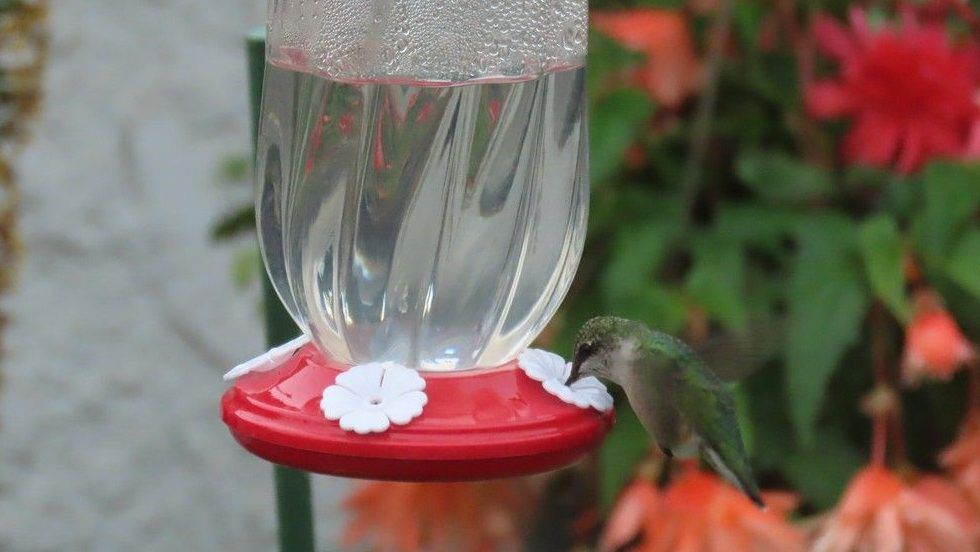
If you’ve ever watched a hummingbird hover effortlessly, you know it’s a magical sight. Imagine having these tiny, colorful birds visit your garden every day, bringing life and joy right to your window.
You might wonder how to make your yard irresistible to them. The good news? Attracting hummingbirds to your feeders is easier than you think. You’ll discover simple, proven tips that will have these amazing creatures buzzing around your home in no time.
Ready to turn your outdoor space into a hummingbird hotspot? Let’s dive in!
Choosing The Right Feeder
Hummingbird feeders come in different types. Some have built-in perches. Others are simple and sleek. Choose one that fits your garden style and bird habits.
Material mattersfor durability and safety. Plastic feeders are light and easy to clean. Glass feeders last longer but are heavier. Avoid metal parts that can rust and harm birds.
Size and capacity affect how often you refill the feeder. Small feeders hold less nectar but are easier to clean. Large feeders attract more birds but may spoil nectar faster in hot weather.
| Feature | Details |
|---|---|
| Types | With perches, without perches, hanging, window-mounted |
| Material | Plastic (lightweight), Glass (durable), Avoid rusty metal |
| Size | Small (easy to clean), Large (holds more nectar) |
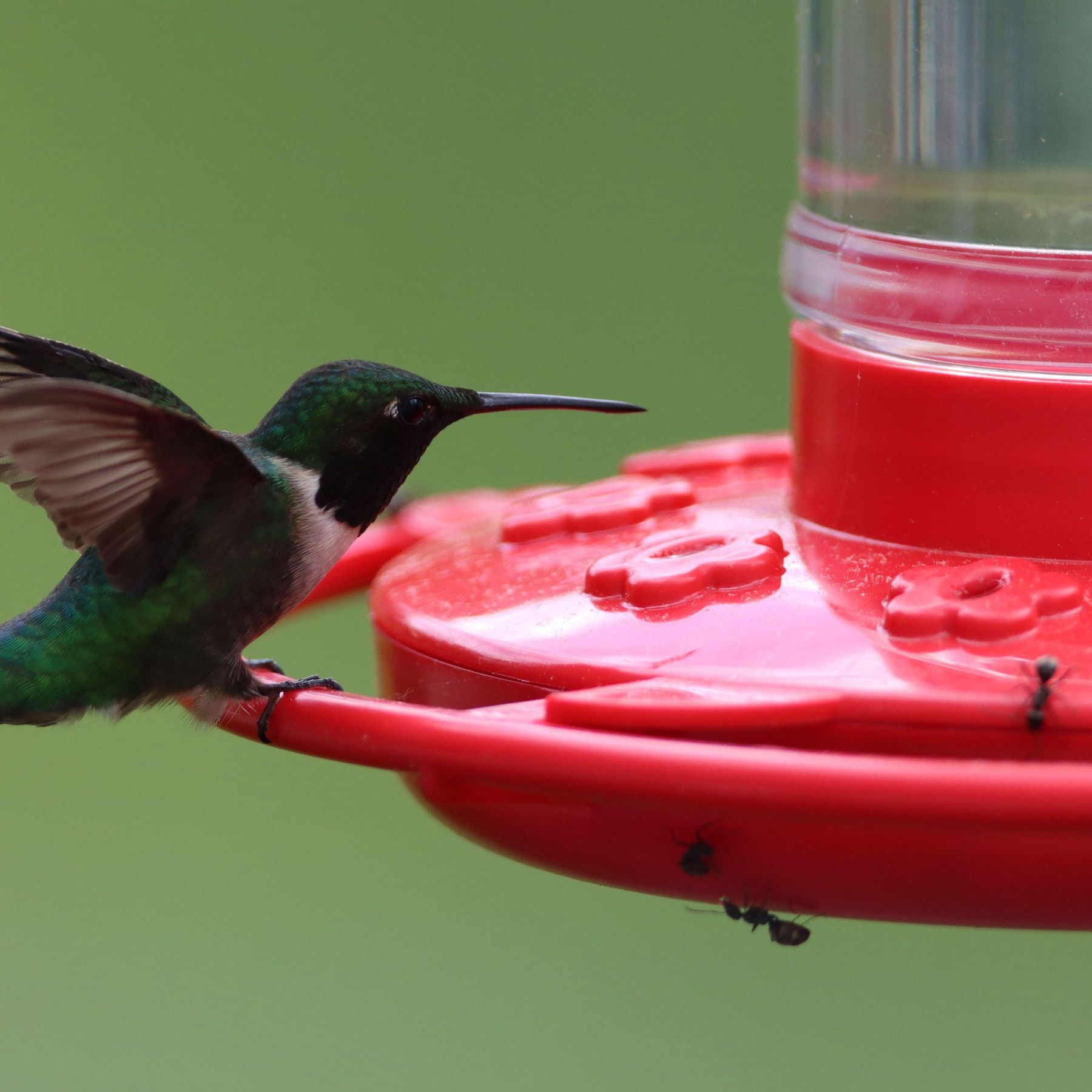
Credit: www.homesandgardens.com
Selecting The Best Nectar
Use a simple nectar mix to attract hummingbirds. Combine 1 part white sugarwith 4 parts water. Boil the water first to remove impurities, then stir in the sugar until it dissolves. Let the nectar cool before filling the feeder. Avoid using honey, artificial sweeteners, or red dye, as these can harm the birds.
Replace the nectar every 3 to 5 days, or sooner in hot weather. Old nectar ferments quickly and can make hummingbirds sick. Clean the feeder each time you refill it to prevent mold and bacteria growth.
Optimal Feeder Placement
Choose a spotwith a mix of sunlight and shade. Morning sun warms feeders, while afternoon shade keeps nectar fresh.
Place feeders in safe locationsvisible from a distance. This helps hummingbirds find food easily.
Keep feeders at least 3 feet awayfrom windows. This prevents birds from hitting glass.
Avoid spots near places where cats or other predators hide. Safety is key for hummingbirds to visit often.
- Spot with morning sun and afternoon shade
- Visible from open areas or windows
- At least 3 feet from glass surfaces
- Far from predator hiding spots
Creating A Hummingbird-friendly Garden
Hummingbirds love bright, red feeders filled with fresh sugar water. Place feeders near flowers and keep them clean to attract more birds. Frequent refills help keep hummingbirds coming back to your garden.
Attractive Plants And Flowers
Bright colors catch hummingbirds’ eyes. Red is a favorite color. Plant flowers like trumpet vine and bee balm. They have lots of nectar. Fuchsia and petunias also attract them. Keep flowers healthy. Water them often.
Water Features For Attraction
Hummingbirds love clean water. Birdbaths are a good choice. Use a gentle fountain for movement. Moving water shines. It catches their attention. Keep the water fresh. Clean it often.
Shelter And Perching Spots
Safe spots are important for hummingbirds. Trees and shrubs offer shelter. They need places to rest. Branches are perfect for perching. Add tiny swings for fun spots. Keep the garden quiet. Too much noise scares them away.
Maintaining Clean Feeders
Feeders should be cleaned at least once a week. More often in hot weather to prevent moldand bacteria. Dirty feeders can make hummingbirds sick. Use warm water and mild soap to clean. Rinse well to remove soap. Avoid strong chemicals that can harm birds.
Use a small brush or pipe cleaner to reach tight spots. Soaking feeders in a vinegar solution helps kill germs. Let feeders dry completely before refilling. Clean feeders keep hummingbirds healthyand returning to your garden.

Credit: www.countryliving.com
Timing And Patience
Spring and summerare the best seasons to attract hummingbirds. These birds migrate and return during warm months. Setting up feeders early in spring helps them find food quickly. Patience is key; it may take days or weeks before hummingbirds visit your feeder. Keep feeders clean and filled with fresh nectar for best results.
Hummingbirds are active during the day, especially in the morning and late afternoon. They prefer feeders near flowers or shrubs that provide shelter. Watch for quick darting movements and tiny buzzing sounds—signs that hummingbirds are nearby. Frequent visits and aggressive chasing at the feeder show successful attraction.
Common Mistakes To Avoid
Using red dyein nectar is harmful to hummingbirds. It can cause illness and affect their natural feeding habits. Clear nectar made from sugar and water works best. Avoid adding any artificial colors or flavors.
Both overfeedingand underfeedingcan be a problem. Too much food can spoil quickly and attract unwanted insects. Too little food may not attract hummingbirds at all. Keep nectar fresh and refill feeders regularly.
Feeder maintenanceis key. Dirty feeders can grow mold and bacteria, which harm birds. Clean feeders every few days with hot water and a brush. Avoid using soap or chemicals that can leave harmful residues.

Credit: www.youtube.com
Frequently Asked Questions
What Type Of Nectar Attracts Hummingbirds Best?
Hummingbirds prefer a simple sugar water mix. Use four parts water to one part white sugar.
How Often Should I Clean Hummingbird Feeders?
Clean feeders every three to four days. This prevents mold and keeps birds healthy.
Where Is The Best Place To Hang Hummingbird Feeders?
Hang feeders in a shady spot. This keeps nectar fresh and birds comfortable.
Conclusion
Attracting hummingbirds to your feeders brings joy and nature close. Use fresh nectar and clean feeders often. Place feeders near flowers for more visits. Keep the area quiet and safe for hummingbirds. Watch them dance and drink with delight. Small steps lead to a beautiful hummingbird haven.
Enjoy every moment with these tiny, colorful birds. Nature’s little wonders brighten your outdoor space. Patience and care invite hummingbirds to stay longer. Your garden becomes a lively, peaceful place.