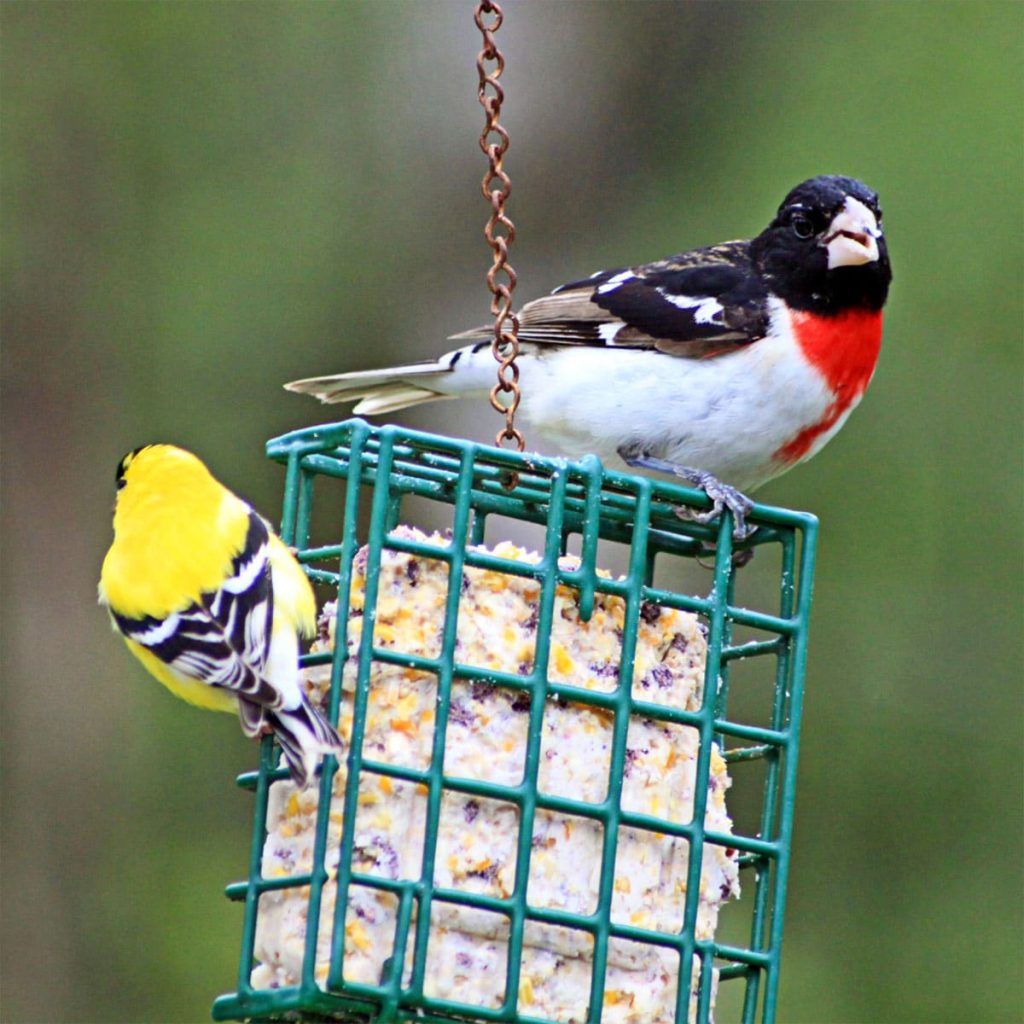
Are you curious about what to feed your feathered friends? If you’ve ever wondered if suet cakes are a good option, you’re not alone.
Many bird enthusiasts are constantly searching for nutritious food that can attract a variety of birds to their gardens. But are suet cakes the right choice for your local bird population? We’ll explore the benefits and potential drawbacks of offering suet cakes to birds, helping you make an informed decision.
Discover how this high-energy treat could transform your backyard into a vibrant hub of bird activity, and learn tips to ensure you’re providing the best for your avian visitors. Keep reading to find out if suet cakes are the secret to a thriving bird sanctuary right in your own yard.
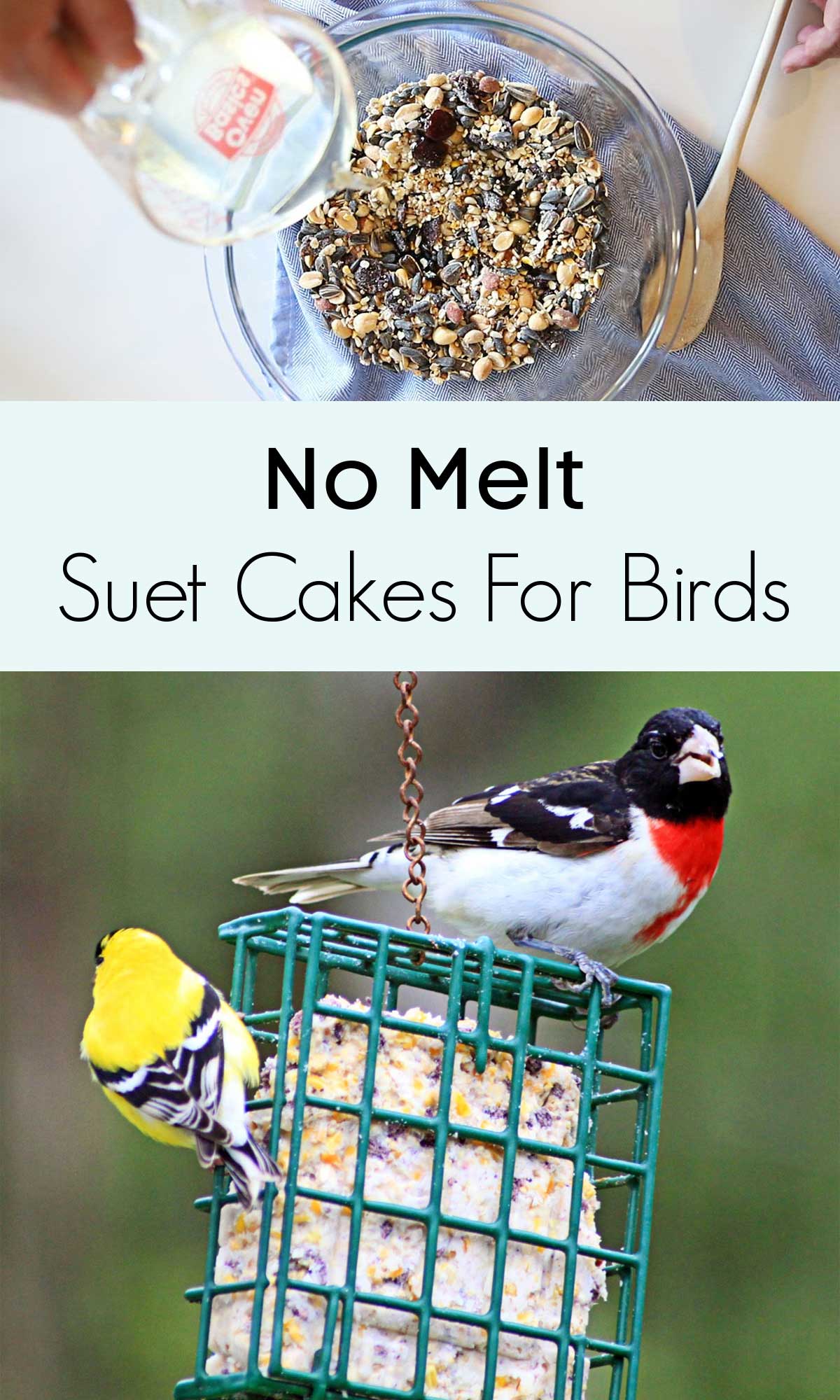
Credit: www.houseofhawthornes.com
What Are Suet Cakes?
Suet cakes are a popular food for birds, especially in winter. They are made from animal fat mixed with seeds, grains, and nuts. This combination provides high energy, essential during cold months. Many birds flock to suet cakes for their rich nutrients.
What Ingredients Are In Suet Cakes?
Suet cakes often contain beef fat as a base. This is because it is dense in calories. Other ingredients include seeds like sunflower, grains, and nuts. Some suet cakes even have fruits for added flavor. These ingredients make suet cakes a favorite among many bird species.
Why Do Birds Love Suet Cakes?
Birds love suet cakes for their high energy content. The fats provide essential nutrients and warmth. Seeds and grains in the cakes attract different bird types. The variety keeps birds coming back for more.
Are Suet Cakes Safe For All Birds?
Most birds find suet cakes safe and nutritious. But, some birds might not prefer them. Always observe which birds visit your suet feeder. This helps in choosing the right suet cake for your visitors.
How To Use Suet Cakes In Bird Feeding?
Place suet cakes in a special suet feeder. Hang the feeder in a visible spot. Ensure it’s away from predators. This helps birds feed safely. Refill the feeder regularly to keep birds visiting.
Benefits Of Suet Cakes For Birdwatchers
Suet cakes attract a variety of birds. This makes birdwatching more exciting. You might see woodpeckers, chickadees, and nuthatches. These birds add life to your backyard. Suet cakes provide a chance to observe them closely.

Credit: www.amazon.com
Nutritional Value For Birds
Suet cakes are popular bird feed options. They offer essential nutrients for birds. Many bird species enjoy suet cakes. They provide energy and help survival during cold months. Understanding their nutritional value is key for bird enthusiasts.
Nutritional Benefits Of Suet
Suet is animal fat. It’s rich in calories. Birds need calories for energy. Especially during winter. Suet helps birds stay warm. It’s a crucial food source. Birds use the energy to fly and forage.
Protein Content In Suet Cakes
Suet cakes often contain seeds and nuts. These ingredients add protein. Protein is vital for birds. It helps in muscle development. Birds need strong muscles to fly. Protein supports growth and repair.
Vitamins And Minerals
Some suet cakes have added vitamins. These vitamins boost bird health. Vitamins like A and D are common. They support immune functions. Minerals like calcium aid bone strength. Strong bones are necessary for flight.
Importance Of Fat
Fat is a primary component of suet. Birds need fat for insulation. It helps maintain body heat. Fat is an energy reserve. It ensures survival in harsh conditions. A high-fat diet is essential in winter.
Variety Of Ingredients
Suet cakes vary in ingredients. Some include fruits or grains. These add more nutrients. Variety attracts different bird species. Each ingredient offers unique benefits. More variety means more birds visit.
Types Of Birds Attracted
Suet cakes are a popular choice for attracting various bird species. These high-energy treats offer essential nutrients, especially during colder months. Knowing which birds are drawn to suet helps in enhancing your bird-watching experience.
Robins
Robins adore suet cakes. Their diet often includes insects and fruits. Suet provides them with the energy they need. It helps them stay active and healthy.
Woodpeckers
Woodpeckers love suet for its rich fat content. They peck at trees, searching for bugs. Suet cakes mimic this natural feeding style. It’s a perfect match for their dietary needs.
Nuthatches
Nuthatches are frequent visitors to suet feeders. These birds enjoy seeds and insects. Suet offers them a balanced mix. It keeps them coming back for more.
Sparrows
Sparrows are small but energetic. Suet provides them with a quick energy boost. They are often seen nibbling around suet feeders. This keeps them fueled for their daily activities.
Chickadees
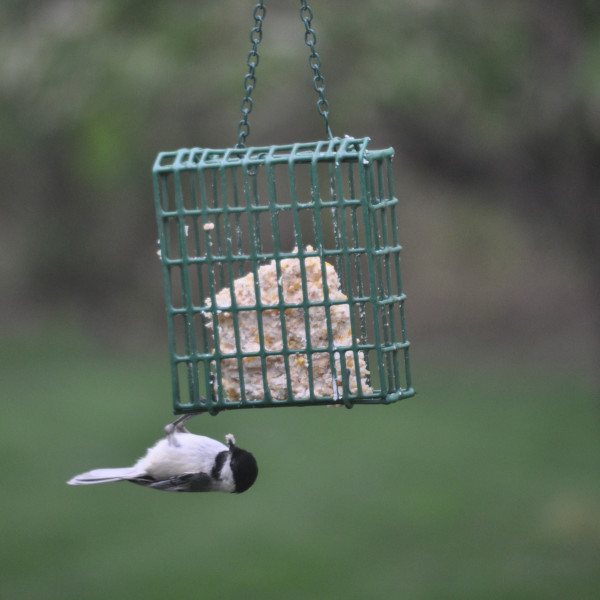
Chickadees have a varied diet. They consume seeds, berries, and insects. Suet cakes are a convenient food source for them. Chickadees are enthusiastic suet fans.
Credit: www.kaytee.com
Seasonal Benefits
Suet cakes offer numerous seasonal benefits for birds. As temperatures drop, birds require more energy to stay warm. Suet cakes provide high-energy fat content. This helps birds thrive during cold months.
Winter Warmth
Suet cakes are crucial in winter. Birds need extra calories to fight the cold. Fat-rich suet cakes provide essential nutrients. They help birds maintain body heat and energy levels. Winter is tough for birds without suet cakes.
Spring Support
Spring brings breeding season. Birds need more energy for nesting and raising chicks. Suet cakes offer protein and fat. These nutrients support bird growth and reproduction. They ensure birds have strength for the demanding season.
Summer Sustenance
Summer can be hot and tiring. Birds may struggle to find food and water. Suet cakes provide easy access to nutrition. They keep birds hydrated and energized. Suet cakes are important during the summer heat.
Fall Fuel
Fall is a time of preparation. Birds migrate or prepare for winter. They need extra energy for long flights or storing fat. Suet cakes offer vital nutrients. They help birds build reserves for the coming challenges.
Homemade Vs. Store-bought
Suet cakes provide essential fats and nutrients that birds need. Homemade suet cakes can be tailored to local bird diets. Store-bought options offer convenience and variety but may contain preservatives.
When it comes to feeding our feathered friends, the choice between homemade and store-bought suet cakes can be quite the conundrum. Both options have their pros and cons, and understanding these can help you make the best decision for your garden visitors. Whether you prefer the convenience of store-bought suet or the customization of homemade recipes, there’s something to consider for every bird enthusiast.Homemade Suet Cakes
Creating suet cakes at home allows you to control the ingredients. You can ensure they are free from preservatives and any harmful substances. It’s an opportunity to experiment with different ingredients like peanut butter, seeds, and dried fruits to attract specific bird species. The process is relatively simple. Melt some animal fat, mix in seeds and nuts, and allow it to solidify. You might find it therapeutic, much like baking cookies for your family. However, homemade suet requires effort and time. It can be messy and may not have the same shelf-life as store-bought options. Are you prepared to embrace this hands-on approach?Store-bought Suet Cakes
Store-bought suet cakes offer convenience and a variety of ready-made options. They’re often fortified with vitamins and minerals, providing extra nutrition for the birds. You can find these at most garden centers or online, ready to hang in your backyard. They come in different blends, tailored for attracting specific birds like woodpeckers or songbirds. While convenient, they might contain additives or fillers. Reading labels is crucial to ensure you’re offering quality food to your feathered guests. Would you compromise on quality for the sake of ease?Which Is Best For You?
Your choice between homemade and store-bought suet cakes might depend on your lifestyle and the birds you wish to attract. If you enjoy DIY projects and want to cater to the unique tastes of your garden’s bird population, homemade is the way to go. On the other hand, if you value convenience and variety, store-bought suet cakes could be ideal. They’re ready to use and often come with added nutrients. Consider what matters most to you and your backyard companions. Is it the joy of creating something from scratch, or the ease of picking up a pre-made treat? Your choice can make a delightful difference in your birdwatching experience.Environmental Impact
Suet cakes are a popular bird food choice. They are enjoyed by many bird species. Yet, the environmental impact of suet cakes needs consideration. Understanding their effects on the planet is crucial for bird enthusiasts.
Production And Ingredients
Suet cakes often contain beef fat, seeds, and nuts. These ingredients are sourced from various places. The production process requires energy and resources. This impacts the environment negatively. Choosing sustainably-sourced ingredients is better for the planet.
Packaging Concerns
Suet cakes usually come in plastic packaging. This packaging can harm the environment. Plastic waste contributes to pollution and landfill problems. Opt for brands with eco-friendly packaging to reduce harm.
Feeder Impact
Feeders can affect the local ecosystem. Birds may rely too much on suet cakes. This could disrupt natural feeding habits. Providing a variety of food can support a balanced ecosystem.
Waste Management
Suet cake remnants can attract pests. This includes rodents and insects. Proper disposal of leftovers helps manage waste. Ensuring that feeders are clean also reduces waste issues.
Supporting Biodiversity
Suet cakes attract diverse bird species. Supporting biodiversity is beneficial for the environment. Birdwatchers can enjoy various species in their backyard. Choosing natural suet cakes supports wildlife conservation efforts.
Placement And Usage Tips
Suet cakes are a popular choice for bird enthusiasts. Proper placement can attract diverse bird species. Thoughtful usage ensures birds benefit greatly from suet cakes.
Choosing The Right Location
Select a quiet spot for your suet feeder. Birds prefer calm, undisturbed areas. Placing feeders near trees provides natural cover. This can help birds feel safe.
Height And Safety Considerations
Hang suet feeders at eye level. This height is ideal for watching birds. Keep the feeder away from predators. Cats and squirrels can pose a threat.
Weather And Seasonal Adjustments
In warmer months, suet can melt. Place it in shaded areas to prevent this. Consider using no-melt suet during summer. In winter, position feeders in sunny spots. Birds will appreciate the warmth.
Regular Maintenance And Cleaning
Check suet feeders regularly for freshness. Remove any spoiled or moldy suet. Clean the feeder with mild soap and water. This helps prevent disease among birds.
Potential Risks
Suet cakes offer nutrition and energy for birds. Yet, they carry potential risks. Understanding these risks helps ensure bird safety. Let’s explore these risks.
High Fat Content
Suet cakes are rich in fat. Birds need fat for energy. Too much fat can lead to health issues. Obesity is a concern for birds. It affects their ability to fly. This makes them vulnerable to predators.
Harmful Additives
Some suet cakes contain additives. These include preservatives and artificial flavors. These additives might harm birds. They could cause digestive problems. Always check ingredients before buying.
Mold Growth
Suet cakes can mold if not stored properly. Mold is dangerous for birds. It can lead to serious health issues. Mold can spread quickly. Regularly check cakes for mold.
Attracting Predators
Suet cakes can attract predators. Birds become easy targets. Predators like cats and hawks pose threats. Ensure suet feeders are in safe locations.
Risk Of Contamination
Contamination is a real risk. Bacteria can grow on suet cakes. Unclean feeders contribute to contamination. Regular cleaning reduces this risk. Fresh suet minimizes contamination.
Frequently Asked Questions
What Are Suet Cakes?
Suet cakes are a mixture of animal fat and birdseed. They provide essential energy and nutrients for birds. These cakes are especially beneficial during winter when food is scarce. Birds love suet cakes for their high-fat content. They attract a wide variety of bird species to your garden.
Are Suet Cakes Safe For Birds?
Yes, suet cakes are safe for birds when properly made. They should contain natural ingredients without harmful additives. Ensure the suet is fresh and not rancid. Proper storage is essential to maintain their safety. Birds benefit from the energy and nutrients provided by suet cakes.
Do Suet Cakes Attract Many Bird Species?
Absolutely, suet cakes attract a diverse range of bird species. Birds are drawn to the high-fat content in suet. Common visitors include woodpeckers, chickadees, and nuthatches. By offering suet cakes, you increase biodiversity in your garden. It’s an excellent way to observe different birds.
How Do You Make Suet Cakes At Home?
Making suet cakes at home is simple and cost-effective. Melt animal fat and mix it with seeds. Add nuts or fruits for variety. Pour the mixture into molds and let it cool. Homemade suet cakes ensure quality ingredients. They are a great homemade treat for birds.
Conclusion
Suet cakes can be a great treat for birds. They provide essential energy, especially in colder months. Birds love them for their high-fat content. Easy to hang in your garden. Attracts various bird species too. Watching birds enjoy suet can be rewarding.
Remember to place them in safe locations. Away from predators and harsh weather. Regularly check for spoilage. Fresh suet is best for birds’ health. Consider adding suet cakes to your bird-feeding routine. Your feathered friends will appreciate it. Enjoy the vibrant birdlife in your backyard!