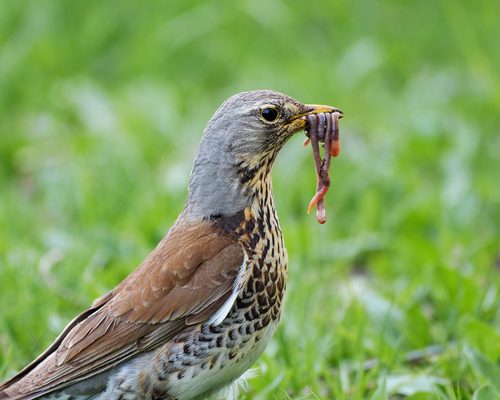
Have you ever noticed how different birds have very different beaks? Some are sharp and hooked, while others are long and slender or short and stout.
But why is that? Your curiosity about these fascinating shapes can lead you to discover how each beak is perfectly designed to help birds survive and thrive in their own unique way. By understanding this, you’ll see the amazing connection between a bird’s beak and its lifestyle.
Keep reading, and you’ll uncover surprising facts that will change the way you look at birds forever.
Credit: lafeber.com
Beak Shapes And Functions
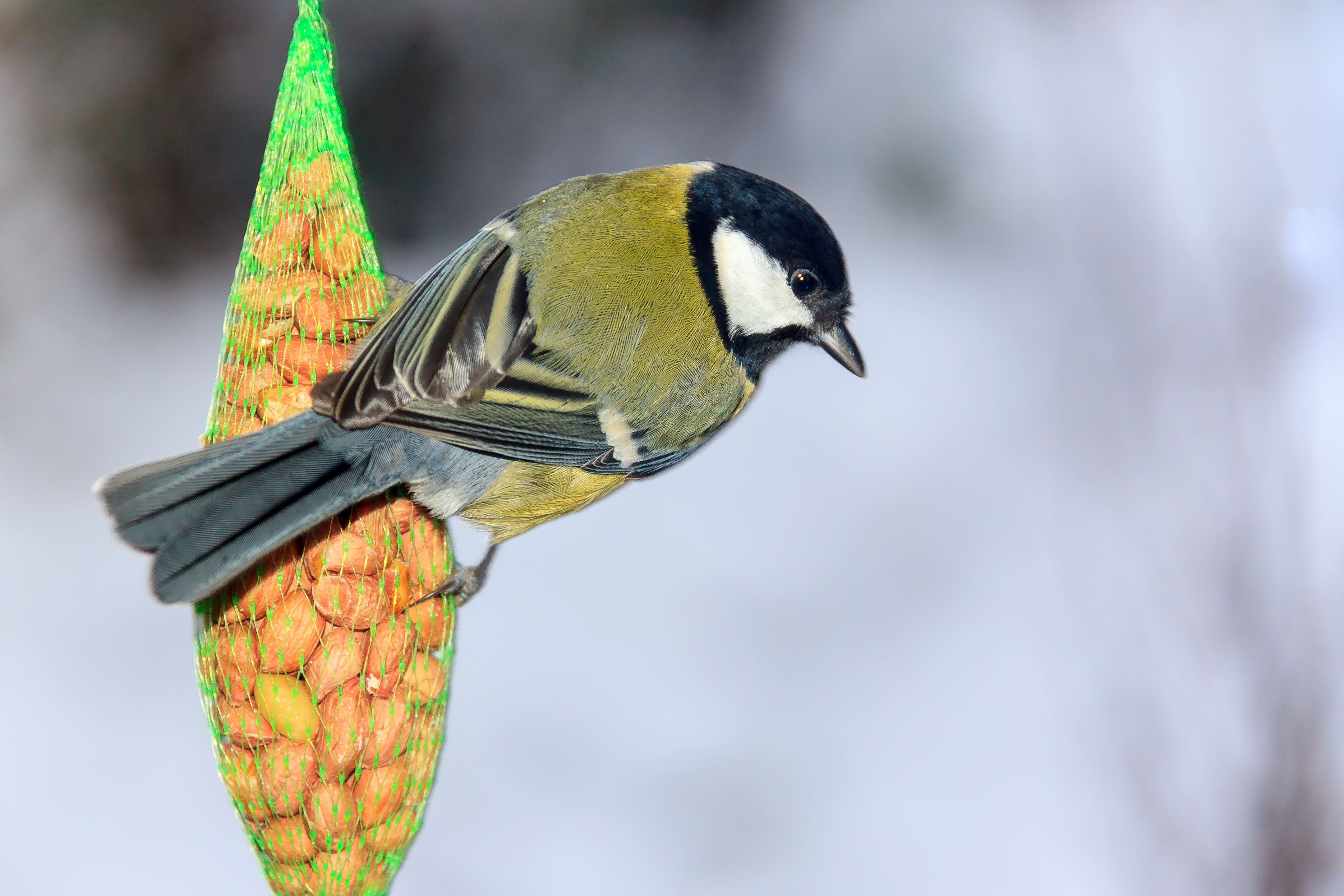
Birds have many types of beaks. Each type helps them eat and survive. Seed crushershave strong, thick beaks. These beaks break hard seeds easily. Insect catchershave sharp, thin beaks to catch small bugs fast. Fish grabbersuse long, pointed beaks to catch slippery fish in water. Nectar sippershave long, thin beaks to reach deep flowers for nectar.
| Beak Type | Function | Example |
|---|---|---|
| Seed Crushers | Break hard seeds | Finches |
| Insect Catchers | Catch small insects | Warblers |
| Fish Grabbers | Catch fish in water | Kingfishers |
| Nectar Sippers | Reach nectar in flowers | Hummingbirds |
Credit: www.ox.ac.uk
Evolution And Adaptation
Birds have different beaks because of natural selection. Their beaks change to fit their environment and food.
Different habitats need different tools. For example, birds that eat seeds have strong, thick beaks. Birds that catch fish have long, sharp beaks. These beak shapes help them survive better.
Environmental factors like climate and food type shape beak design. Birds with the right beak for their food get more to eat. This gives them a survival advantage.
These changes happen over many years. Birds with the best beaks for their surroundings live longer. They pass their traits to their babies. This is how beak diversity grows.
Beak Size And Diet
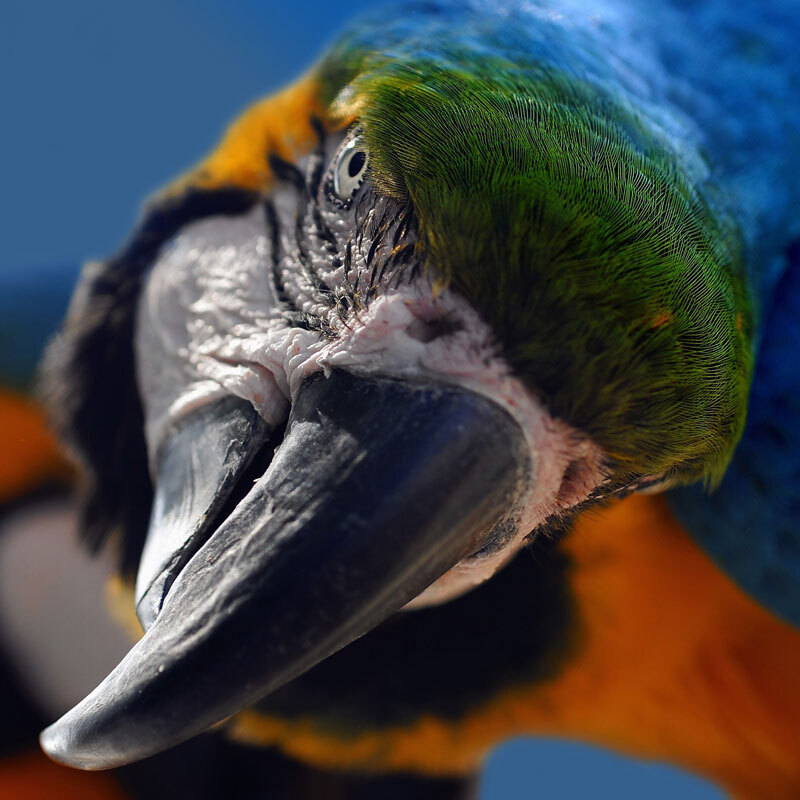
Some birds have large beaksto eat hard food. Parrots use their big beaks to crack nuts. They need strength to break tough shells. Toucans have big beaks for reaching fruit. They can grab and peel with ease. These birds enjoy a variety of foodsthanks to their beaks.
Birds with small beakseat tiny seeds and insects. Hummingbirds sip nectar from flowers. Their beaks fit perfectly into blooms. Finches pick small seeds with their sharp beaks. Precision is key for these birds. They can eat without wasting food.
Some birds have special diets. Flamingos eat tiny shrimp and algae. Their beaks help filter food from water. Pelicans have pouches in their beaks to catch fish. Each bird has a beak that fits its diet. Nature designed them for their unique needs.
Beak Structure And Materials
Bird beaks are made mostly of keratin, the same material as human nails. This makes beaks both strongand lightweight. The keratin layers give beaks a hard surface to help birds eat different foods.
The structure of keratin allows for flexibility, which helps birds handle food carefully. Some beaks are sharp for cutting, while others are thick and strong for cracking seeds.
Bird beaks grow continuously throughout their lives. They need regular maintenancethrough activities like rubbing against hard surfaces. This stops the beak from becoming too long or damaged.
Examples From Different Bird Species
Birds have different beaks to help them eat and live better. Each beak suits a bird’s food and lifestyle.
Fincheshave short, strong beaks. These help them crack open seeds easily. Their beaks are thick and tough.
Woodpeckersuse long, sharp beaks to drill into tree bark. They find insects hiding inside. Their beaks are like tools for digging.
Hummingbirdshave thin, long beaks. These help them reach deep inside flowers to drink nectar. Their beaks are perfect for sipping.
Raptorslike eagles and hawks have hooked, sharp beaks. These help them tear meat from their prey. Their beaks are made for hunting and eating meat.

Credit: www.reddit.com
Beak Changes Over Time
Fossil records show how bird beaks changed over millions of years. Some ancient birds had simple beaks, while others had shapes like today’s birds. This proves that beaks evolved to help birds survive in different places.
Recent adaptations happen as birds change to fit new environments. For example, some birds now have longer beaks to reach food deep inside flowers. Others have stronger beaks to crack hard seeds.
Human actions also affect bird beaks. Cities and farms change where birds live. Birds may develop new beak shapes to eat different foods found near people.
Frequently Asked Questions
Why Do Birds Have Different Beak Shapes?
Birds have different beak shapes to help them eat specific foods and survive in their habitats.
How Do Beak Types Relate To Bird Diets?
Beak types match diets; sharp beaks catch insects, strong beaks crack seeds, and long beaks reach nectar.
Can Bird Beaks Change Over Time?
Bird beaks can evolve slowly to adapt to food sources and environmental changes over many generations.
What Role Do Beaks Play In Bird Survival?
Beaks help birds gather food, build nests, and protect themselves, making survival easier in their environment.
Conclusion
Birds have different beaks to help them survive in their homes. Each beak suits the food they eat and how they get it. Some beaks are strong for cracking nuts. Others are sharp for catching insects. This variety helps birds live and grow well.
Nature designs beaks for many tasks. Understanding this shows how smart and diverse birds are. Their beaks tell stories about their lives and needs. It’s a simple way nature solves problems. Birds’ beaks are truly amazing tools.