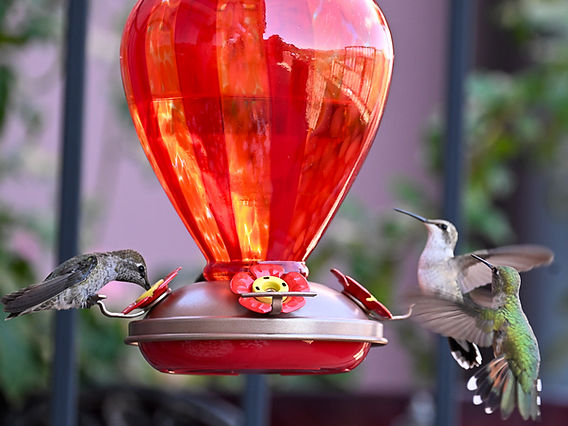
Are you tired of wasps invading your hummingbird feeders and scaring away those beautiful little birds? It’s frustrating when you set up a feeder to enjoy hummingbirds, only to have wasps take over and spoil the experience.
But don’t worry—there are simple, effective ways you can keep wasps away and make your feeder a safe spot for hummingbirds. You’ll discover easy tips that work, so you can enjoy watching these tiny wonders without the buzzing distraction. Keep reading to find out how to protect your feeders and create a peaceful haven for hummingbirds.

Credit: www.hummingbirdsociety.org
Why Wasps Are Attracted To Feeders
Wasps love the sweet nectarin hummingbird feeders. This sugary liquid acts like a magnetfor them. They drink it for energy and survival. The smell of nectar is very strong and hard to ignore.
Wasps do not just eat nectar. They also hunt other insects. But sweet liquid is easier to find and consume. That’s why they visit feeders often.
- Wasps are attracted to bright colorsof feeders.
- They are active during the daywhen feeders are full.
- Wasps use feeders as a food sourceand a place to rest.
Choosing The Right Feeder
Wasp-resistant feedershave small feeding ports. These tiny holes stop wasps from reaching the nectar. They also keep hummingbirds safe and happy. Look for feeders with built-in wasp guardsor bee guards.
Feeders with bright red colorsattract hummingbirds but not wasps. Avoid yellow or white, which can lure wasps. Choose a design that hangs away from flowers or fruit trees.
| Material | Benefits | Drawbacks |
|---|---|---|
| Plastic | Lightweight, easy to clean | Can crack in sun, attracts wasps if clear |
| Glass | Durable, does not hold odors | Heavier, can break if dropped |
| Metal | Strong, long-lasting | Can heat up in sun, expensive |
Placement Strategies
Placing hummingbird feeders away from wasp nests helps reduce visits from wasps. Using feeder designs that limit wasp access can keep these pests at bay. Position feeders in shady spots to make them less attractive to wasps.
Ideal Locations
Place feeders far from gardens. Wasps love flowers. Hang feeders under trees or near walls. These spots are less attractive to wasps. Choose shaded areas. Wasps prefer sunny places. High spots are better. Wasps fly low.
Avoiding Wasp Hotspots
- Stay away from trash bins.
- Avoid areas with water sources.
- Don’t hang near fruit trees.
- Stay clear of outdoor eating areas.
- Avoid spots near wasp nests.

Credit: www.facebook.com
Homemade Wasp Deterrents
Natural repellentslike peppermint oil and vinegar can help keep wasps away. Mix a few drops of peppermint oil with water in a spray bottle. Spray around the feeder but avoid direct contact with the nectar. Vinegar in shallow dishes placed near feeders also works as a wasp deterrent.
Other natural options include cucumber peels and cloves. Wasps dislike the smell of cucumber and cloves, so placing these near feeders can reduce their presence.
Safe solutions for birdsfocus on avoiding harmful chemicals. Keep feeders clean and change nectar often to prevent wasp attraction. Use wasp guards or cages around feeders to protect hummingbirds while keeping wasps out.
Regular Feeder Maintenance
Regular cleaning keeps feeders safe and fresh for hummingbirds. Use warm water and mild soap to wash the feeder. Rinse well to remove all soap. Clean at least once a week to stop mold and bacteria. Wipe all parts, including ports and perches.
Change nectar often to avoid attracting wasps. Use fresh nectar every 3-4 days in hot weather. In cooler weather, change it every 7 days. Keep nectar covered when not in use to keep bugs out. Avoid overfilling the feeder to reduce spills.
Using Traps And Barriers
Wasp trapsuse sweet bait to lure and catch wasps. Place traps far from feeders to protect hummingbirds. Traps with vinegar or sugar water work well. Change bait often for best results.
Physical barriersstop wasps from reaching feeders. Use small wire cages or mesh screens around feeders. Make sure openings are big enough for hummingbirds but too small for wasps. Hanging feeders with built-in guards also help.
| Type | How it Works | Tips |
|---|---|---|
| Wasp Trap | Attracts wasps with sweet bait and traps them | Place away from feeders; change bait regularly |
| Wire Cage | Blocks wasps but allows hummingbirds to feed | Use mesh with small openings; check for damage |
| Built-in Guard | Prevents wasps from landing on feeder ports | Choose feeders designed to keep wasps out |
Plant Choices To Keep Wasps Away
Some plants naturally repel wasps. Planting these near feeders helps keep wasps away.
- Minthas a strong smell that wasps dislike.
- Citronellaplants work as natural wasp repellents.
- Wormwoodand eucalyptusalso keep wasps at bay.
Beneficial insects can eat wasp larvae and reduce their numbers.
- Ladybugseat aphids and help balance the garden.
- Lacewingsare great for controlling pests that attract wasps.
- Planting parsleyand dillattracts these helpful insects.

Credit: www.facebook.com
Frequently Asked Questions
How Can I Stop Wasps From Reaching Hummingbird Feeders?
Place feeders away from wasp nests and use wasp guards or small cages around feeders.
What Types Of Feeders Keep Wasps Away Best?
Feeders with bee-proof ports or built-in wasp guards reduce wasp access effectively.
Does Sugar Water Attract Wasps More Than Hummingbirds?
Yes, wasps are attracted to sugary water, so keep feeders clean and change syrup often.
Conclusion
Keeping wasps away from hummingbird feeders takes patience and care. Clean feeders often to stop wasps from coming. Use tricks like adding water or using feeders with bee guards. Place feeders where hummingbirds feel safe but wasps do not. Watch your feeders daily for any wasp activity.
Protect your hummingbirds so they can enjoy their food. Small steps make a big difference in keeping feeders wasp-free. Enjoy the beauty and joy of hummingbirds without worry.