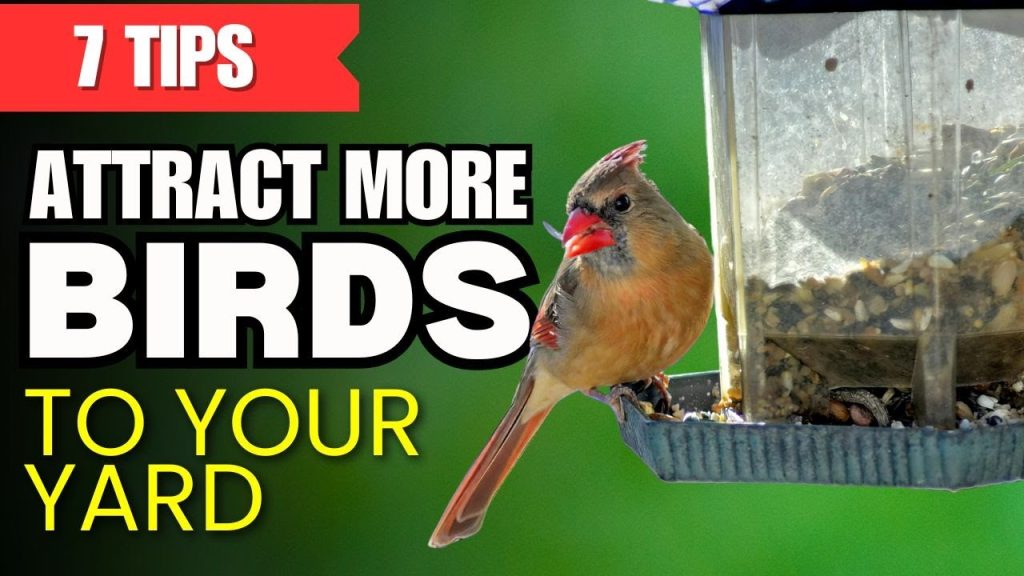
Do you want to fill your garden with the cheerful songs and bright colors of songbirds? Attracting these beautiful creatures to your outdoor space is easier than you might think.
With a few simple steps, you can create a welcoming haven that keeps songbirds coming back day after day. Imagine waking up to their melodies and watching them flutter around your yard—it’s a simple joy that can brighten your entire day.
Keep reading to discover how you can turn your garden into a bird-friendly paradise.
Choose The Right Feeders
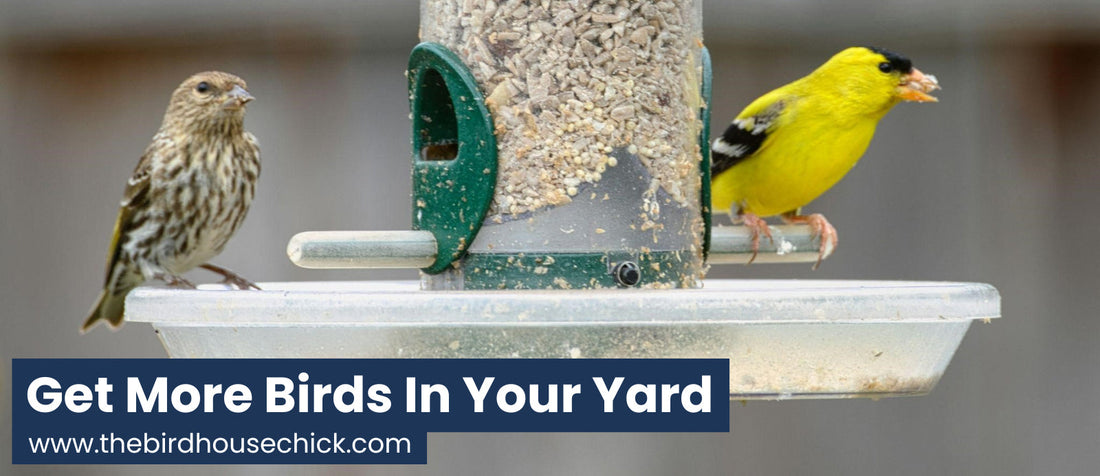
Different bird species prefer different feeder types. Tube feeders suit small birds like finches and chickadees. Hopper feeders attract medium-sized birds such as cardinals and grosbeaks. Platform feeders work well for larger birds like jays and doves. Suet feeders are perfect for woodpeckers and nuthatches.
Place feeders near trees or shrubs. Birds feel safer close to cover. Avoid placing feeders too near windows to prevent collisions. Hang feeders at varying heights to attract more species. Clean feeders regularly to keep birds healthy. Offer fresh food and water to keep birds coming back.
Credit: www.thebirdhousechick.com
Select Bird-friendly Plants
Native plants offer the best food for songbirds. They provide seeds, berries, and nectar that birds love. Planting species like sunflowers, coneflowers, and serviceberriesattracts many songbird types. These plants also support insects that birds eat. Providing natural food helps birds stay healthy and visit often.
Trees and shrubs create safe places for birds. Dense branches protect birds from predators and harsh weather. Evergreens like junipersand cedarsgive year-round shelter. Shrubs such as dogwoodand hazeloffer cover and nesting spots. A mix of tall trees and low shrubs is best for diverse bird species.
Offer Fresh Water Sources
Providing clean, fresh water attracts songbirds for drinking and bathing. Small birdbaths or shallow dishes work well. Keep water fresh to invite more feathered visitors.
Birdbaths And Fountains
Songbirds love clean water. Birdbathsare great for attracting them. Choose a shallow birdbath. Fountains can keep the water moving. Moving water stays fresh longer. Birds enjoy playing in fountains. Keep the water level low. Birds like shallow water.
Keeping Water Clean And Safe
Change the water often. Dirty water can make birds sick. Scrub the birdbath weekly. Use a gentle brush. Rinse off soap completely. Avoid using harsh chemicals. They can harm birds. Place the birdbath in a shaded area. Shade keeps water cooler. Cooler water stays clean longer.
Provide Natural Nesting Sites
Birdhousesand nesting boxesoffer safe places for songbirds to raise their young. Choose boxes made from untreated wood. Avoid bright colors; use natural shades instead. Place boxes in quiet spots, away from predators and harsh weather. Ensure the entrance hole suits the bird species you want to attract. Keep boxes clean each season to prevent disease.
Natural habitatslike shrubs, trees, and tall grasses are important. They provide shelter, food, and nesting spots. Leave leaf litter and dead wood in your yard to help insects grow. These insects feed many songbirds. Avoid using chemicals that harm birds or their food sources. Plant native plants to support local bird species.
Avoid Harmful Chemicals
Organic pest controlhelps keep songbirds safe from harmful chemicals. Many common pesticides and insecticides can poison birdsor destroy the insects they eat. Using natural methodslike neem oil, insecticidal soap, or introducing ladybugs keeps pests away without risks.
Here are some easy ways to protect birds:
- Choose natural spraysover chemical ones.
- Plant flowers that attract beneficial insects.
- Hand-pick pests off plants when possible.
- Use barriers like nets or row covers to protect plants.
Keeping your garden free of toxins creates a safe spacefor songbirds. They will visit more often and stay healthy.

Credit: www.instagram.com
Create A Bird-friendly Environment
Birds prefer quiet and calm areas. Loud noises can scare them away. Keep noise levels low to help them feel safe. Avoid loud machines or shouting near bird spots.
A backyard free from dangers is important. Remove sharp objects and keep pets away from bird feeders. Provide safe hiding placeslike bushes or trees. This helps birds escape from predators.
- Limit human activity near nesting sites.
- Use natural barriers like shrubs to block noise.
- Check for hazards like open trash or sticky traps.
- Keep cats indoors or use cat-proof fencing.
- Place feeders in quiet, safe spots.

Credit: lawnlove.com
Frequently Asked Questions
What Food Attracts The Most Songbirds To My Garden?
Seeds like sunflower and millet attract many songbirds. Fresh water and fruit also help.
How Can I Make My Yard Safe For Songbirds?
Keep cats indoors and avoid chemicals. Provide bushes and trees for shelter and nests.
What Type Of Bird Feeder Is Best For Songbirds?
Tube feeders with small perches and mesh feeders work well. Keep them clean and full.
Conclusion
Attracting songbirds brings life and joy to any garden. Offer fresh water and natural food daily. Plant native flowers and shrubs for shelter and nesting. Keep feeders clean to protect bird health. Patience helps as birds learn your safe space.
Enjoy watching colorful feathers and sweet songs close by. Small changes invite beautiful birds to stay longer. Nature’s music fills your yard with peace and wonder. Start simple, watch closely, and feel the happiness grow.