
Imagine a world without the sweet songs of birds or the vibrant colors they add to our skies. It’s hard to picture, isn’t it?
Birds play an essential role in maintaining the delicate balance of our ecosystems. But many of these beautiful creatures are facing threats like habitat loss and climate change. That’s where Important Bird Areas (IBAs) come into play. These designated sites are critical for the conservation of bird populations worldwide.
By learning about IBAs, you can discover how they help protect these feathered friends and what you can do to support their vital mission. Dive in to find out why these areas matter so much to both birds and humans alike, and how your actions can make a significant difference.
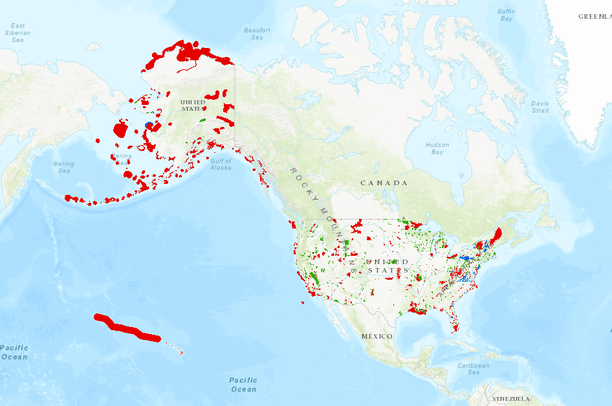
Credit: databasin.org
Global Avian Sanctuaries
Global Avian Sanctuaries play a key role in bird conservation. These sanctuaries protect vital habitats for countless bird species. They ensure safe havens for migratory paths and breeding grounds. Many organizations and countries recognize their importance. They work together to preserve these crucial ecosystems. Bird enthusiasts and researchers flock to these areas. They witness the beauty and diversity of avian life.
Importance Of Bird Conservation
Birds face threats from habitat loss and climate change. Conservation efforts in these sanctuaries help maintain biodiversity. Protecting these areas supports food chains and ecosystems. Bird conservation also benefits local communities. It promotes eco-tourism and provides education opportunities. These efforts ensure future generations enjoy avian wonders.
Notable Global Bird Sanctuaries
Several sanctuaries around the world are famous for their bird populations. The Galápagos Islands are a prime example. They host unique species like the Blue-footed Booby. Costa Rica’s Monteverde Cloud Forest Reserve is another gem. It’s home to the Resplendent Quetzal. The Danube Delta in Europe supports over 300 bird species. Each sanctuary offers unique experiences for bird lovers.
Role Of Local Communities
Local communities play a vital role in these sanctuaries. They participate in conservation projects and educate visitors. Community involvement strengthens conservation efforts. It ensures long-term success for bird habitats. Support from locals helps monitor and protect these areas. Their knowledge and engagement are invaluable.
Visiting Global Avian Sanctuaries
Visiting these sanctuaries offers a chance to connect with nature. Visitors can learn about bird species and their habitats. Guided tours provide insights into conservation challenges. Travelers should respect guidelines to protect these areas. Photography and observation are popular activities. These visits inspire a deeper appreciation for wildlife.
Criteria For Selection
Important Bird Areas (IBAs) are designated regions critical for bird conservation. The selection criteria ensure these areas effectively support avian populations. Understanding these criteria can foster better protection efforts.
Habitat Significance
IBAs prioritize regions with crucial bird habitats. These areas provide essential resources like food, shelter, and breeding grounds. Unique ecosystems often host specific bird species. Protecting these habitats preserves diverse avian life.
Species Diversity
Areas with high species diversity receive special attention. This diversity indicates a healthy, balanced ecosystem. IBAs aim to conserve regions where various bird species thrive. Supporting diverse bird populations ensures ecosystem resilience.
Threatened Species Support
IBAs often include habitats for threatened species. These areas offer refuge for birds facing extinction. Preserving such regions helps maintain vulnerable bird populations. Conservation efforts in IBAs can prevent species decline.
Regional Highlights
Birdwatching can transport you to some of the most stunning landscapes on Earth. Important Bird Areas (IBAs) are vital spots where bird populations thrive, offering a glimpse into the incredible diversity of avian life. Let’s explore some regional highlights across different continents that showcase the unique charm and significance of these IBAs.
North America
North America is home to the breathtaking Chiricahua Mountains in Arizona. These rugged peaks are a haven for bird species like the Elegant Trogon and the Mexican Jay. Have you ever wondered what it’s like to hear the call of a trogon echo through a canyon?
Another gem is the Everglades National Park in Florida. It’s a paradise for wading birds such as the Roseate Spoonbill and the Wood Stork. Imagine standing on the edge of a mangrove forest watching flocks of spoonbills gracefully feeding.
South America
South America’s Amazon Rainforest is a vibrant tapestry of life. Here, Scarlet Macaws and Harpy Eagles soar above the canopy. Have you ever seen a flock of macaws paint the sky with their colors?
The Pantanal, Brazil, offers a different experience. This wetland is alive with Jabirus and Hyacinth Macaws. You could find yourself captivated by the sight of a Jabiru feeding in the shallow waters.
Europe
Europe’s Camargue region in France is where flamingos create a spectacle. As you walk through this marshland, their pink hue adds to the landscape’s charm. How does it feel to watch them feed at sunrise?
The Danube Delta in Romania boasts pelicans and cormorants in abundance. Discovering this area, you may find yourself entranced by the synchronized flight of pelicans.
Asia
Asia’s Bharatpur Bird Sanctuary in India offers sightings of the rare Siberian Crane. This sanctuary is a refuge for waterfowl too. Picture yourself there, surrounded by the honking and splashing of hundreds of ducks.
In Japan, the Kushiro Shitsugen National Park hosts the majestic Red-crowned Cranes. Witnessing their courtship dance can be an unforgettable experience. Have you ever seen a crane dance?
Africa
Africa’s Okavango Delta in Botswana is an oasis for birds such as the African Fish Eagle. The sound of its call is like an African symphony. Can you imagine drifting in a mokoro, listening to the eagle’s cry?
The Rift Valley in Kenya is home to flamingos and pelicans at Lake Nakuru. Watching a sea of pink flamingos take flight is a sight to behold. How would you describe the feeling of witnessing such a spectacle?
Australia
Australia’s Kakadu National Park in the Northern Territory is where you can find the Black-necked Stork. This diverse habitat supports an array of birdlife. Have you ever marveled at the sight of storks gliding gracefully?
In Tasmania, the Melaleuca Lagoon is a sanctuary for the endangered Orange-bellied Parrot. Observing these vibrant birds can be a thrilling experience. How do you think it feels to spot such a rare species?
The world is full of these amazing IBAs, each offering unique insights into birdlife. Which region would you love to explore next?
Conservation Efforts
Conservation efforts for Important Bird Areas (IBAs) are crucial for preserving the biodiversity that our planet relies on. These areas are not just spots on a map; they’re vital habitats that sustain countless bird species. Ensuring their protection involves a collaborative effort from communities, governments, and international partners. Let’s explore how each plays a role in safeguarding these essential ecosystems.
Community Involvement
Local communities are the backbone of IBA conservation. When you visit an IBA, you’re often greeted by locals who know these areas intimately. Their firsthand knowledge and experience are invaluable.
Grassroots initiatives can make a significant impact. Community members often organize cleanup days, reforestation projects, and educational workshops. These activities empower locals and provide practical conservation benefits.
Have you ever thought about how your actions can support these efforts? Simple steps like participating in local events or spreading awareness can make a difference. Every small action contributes to a larger cause.
Governmental Policies
Effective governmental policies are essential for sustainable IBA management. Governments can enact laws that protect these vital habitats from destructive activities like deforestation and pollution.
They also have the power to allocate resources. Funding for scientific research or conservation programs can lead to better understanding and protection of these areas. This financial support is crucial.
Consider how your voice can influence these policies. Engaging in public forums or supporting candidates who prioritize environmental issues can help shape the future of IBAs.
International Partnerships
Birds don’t recognize borders, making international partnerships critical. Organizations worldwide collaborate to share data, resources, and strategies for IBA conservation.
Global efforts often lead to innovative solutions. For instance, cross-border initiatives can help track migratory patterns, ensuring that birds are protected throughout their journeys.
How can you contribute to these partnerships? Supporting international NGOs or participating in global campaigns can extend your impact beyond local boundaries.
By understanding and engaging in these conservation efforts, you become a part of a larger movement dedicated to preserving the planet’s avian diversity. Your involvement is more important than you might realize. What steps will you take today?
Challenges Faced
Important Bird Areas (IBAs) face many challenges today. These areas are crucial for bird conservation. Yet, they are under threat from various factors. Understanding these challenges helps us protect these vital habitats.
Climate Change Impact
Climate change affects bird habitats drastically. Rising temperatures alter migration patterns. Birds struggle to adapt to these changes. Some species face the risk of extinction. Unpredictable weather events also harm IBAs. Heavy storms can destroy nesting sites. Droughts reduce water availability. These factors make survival difficult for birds.
Habitat Destruction
Habitat destruction is a major concern for IBAs. Human activities lead to loss of natural areas. Deforestation removes crucial nesting grounds. Urban expansion encroaches on bird territories. Agricultural practices replace natural habitats. Birds lose their homes and food sources. This threatens their survival and breeding success.
Pollution Issues
Pollution poses a significant threat to IBAs. Chemicals from industries contaminate air and water. Birds are exposed to harmful substances. Pollution affects their health and reproduction. Plastic waste also endangers bird populations. Birds mistake plastic for food and ingest it. This leads to injury and death. Reducing pollution is essential for bird conservation.
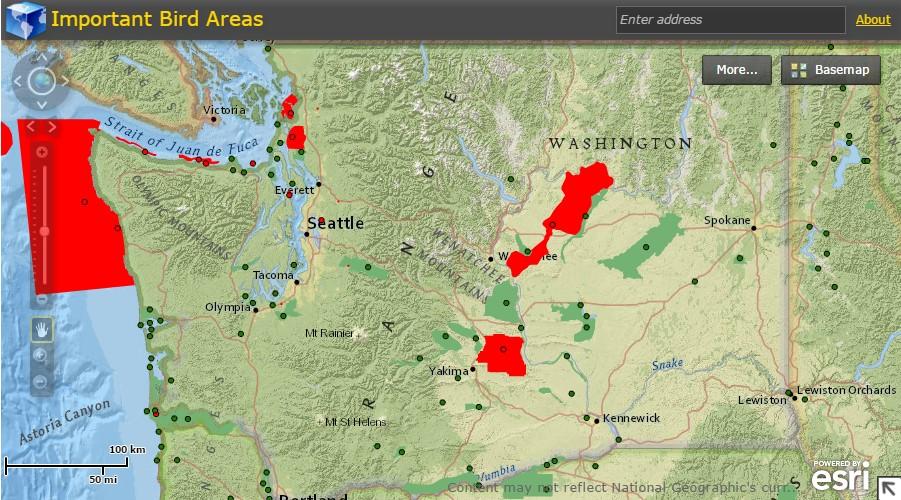
Credit: wa.audubon.org
Success Stories
Important Bird Areas (IBAs) have seen tremendous success in recent years. These areas are vital for conserving bird species and their habitats. Success stories from around the world inspire conservationists and communities alike. Let’s explore some of these achievements.
Restoration Projects
Restoration projects have brought many IBAs back to life. Wetlands that were once drained are now thriving ecosystems. Reforestation efforts have provided birds with new homes. These projects help restore balance to nature. They also ensure a healthy environment for future generations.
Species Reintroduction
Species reintroduction has been a key success in IBAs. Birds once extinct in certain areas are making a comeback. The California Condor is one such example. Careful reintroduction programs are crucial for their survival. These efforts show the resilience of nature and human dedication.
Community Engagement
Community engagement plays a significant role in IBA success. Local communities are often the first line of defense. They protect and preserve these vital areas. Education programs raise awareness about bird conservation. Involving communities ensures long-term success. This collaboration fosters a sense of ownership and pride.
Future Of Bird Areas
The future of Important Bird Areas (IBAs) is a topic of growing interest among conservationists, scientists, and nature enthusiasts alike. As the world faces unprecedented environmental changes, the preservation and enhancement of these crucial habitats have never been more vital. What innovative strategies can we adopt to ensure these sanctuaries thrive for generations to come?
Technological Innovations
Technology is transforming how we protect and monitor bird areas. Drones equipped with cameras and sensors allow researchers to gather data without disturbing the birds, providing insights into habitat conditions and bird behaviors.
Mobile apps enable citizen scientists to report bird sightings in real-time, contributing to a global database of avian activity. This data helps conservationists identify patterns and address threats more swiftly.
Imagine using satellite imagery to track deforestation and habitat loss, ensuring immediate action can be taken. Are you ready to embrace technology for conservation?
Sustainable Practices
Sustainability in IBAs isn’t just about protecting birds—it’s about creating harmony between humans and nature. Local communities play a key role, often relying on these areas for resources.
Encouraging sustainable farming practices can prevent habitat destruction, ensuring that birds have safe nesting and feeding grounds. Supporting eco-tourism initiatives can provide economic benefits to locals while promoting conservation awareness.
Could your next vacation contribute to preserving a bird area? Consider the positive impact of choosing eco-friendly travel options.
Global Collaboration
Saving bird areas isn’t a task for one country or organization; it’s a global responsibility. International treaties and agreements bring countries together to protect migratory routes and shared habitats.
Collaborative projects, like the establishment of transboundary protected areas, demonstrate the power of working together. These efforts often lead to more comprehensive conservation strategies and better resource allocation.
What role will you play in this global movement? Every individual can contribute by supporting organizations that prioritize bird conservation.
The future of IBAs depends on our collective actions today. By leveraging technology, adopting sustainable practices, and fostering global collaboration, we can create a world where birds thrive alongside us. Are you ready to take part in this transformative journey?
Credit: tylerarboretum.org
Frequently Asked Questions
What Are Important Bird Areas?
Important Bird Areas (IBAs) are sites of global significance for bird conservation. They provide essential habitats for endangered species and migratory birds. Designated by BirdLife International, these areas help prioritize conservation efforts. Protecting IBAs ensures biodiversity and supports ecological balance.
How Are Ibas Identified?
IBAs are identified using standardized criteria by BirdLife International. Factors include species population, habitat importance, and conservation status. Local experts and scientific data contribute to the selection process. This ensures that IBAs are globally recognized and receive necessary conservation attention.
Why Are Ibas Crucial For Bird Conservation?
IBAs are crucial because they offer critical habitats for bird survival. They support threatened species and migratory routes. Protecting IBAs maintains ecosystem health and biodiversity. Conservation efforts in these areas help address environmental challenges and preserve bird populations.
How Can Communities Support Ibas?
Communities can support IBAs by participating in conservation activities. Engage in habitat restoration, monitoring programs, and educational campaigns. Collaborate with local and global organizations to raise awareness. Sustainable practices and advocacy can enhance protection efforts for these vital areas.
Conclusion
Preserving Important Bird Areas matters greatly. These zones protect birds and nature. They are vital for bird survival. We must act now to safeguard them. Community efforts make a big difference. Local support boosts conservation success. Everyone can contribute. Birdwatchers, nature lovers, and citizens play key roles.
Simple actions help protect these areas. They are part of our global heritage. Protecting them secures a future for birds. It also enriches our lives and environment. Let’s cherish and protect Important Bird Areas for generations. Act today for a brighter tomorrow.
Together, we can make a positive impact.