Are you curious about how to find a bird nearby? Whether you want to spot a colorful bird in your backyard or discover new feathered friends on a hike, knowing where and how to look makes all the difference.
Imagine the thrill of seeing a rare bird up close or hearing a beautiful song that lifts your mood instantly. You’ll learn simple, effective tips to help you spot birds easily. By the end, you’ll feel confident and excited to explore the world of birds right around you.
Ready to become a bird finder? Let’s dive in!

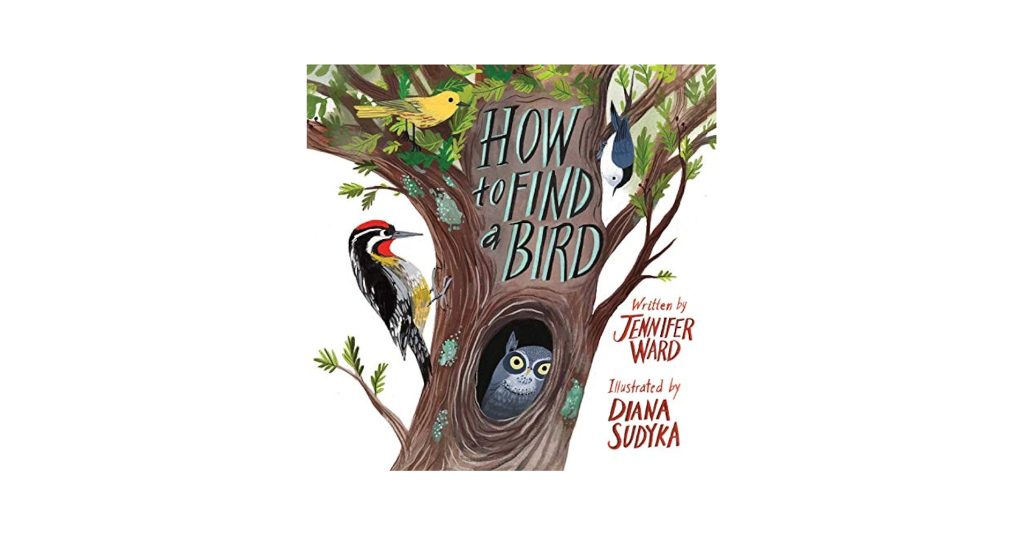
Credit: www.amazon.com
Choosing The Right Location
Birds live in many different habitats. Forests, wetlands, and grasslands are great places to find them. Some birds like trees, others like open fields or water.
Seasonal changesaffect where birds gather. In spring and fall, many birds move to warmer places. Winter might bring some birds closer to your home. Summer often has the most bird activity in cool, shady areas.
Local birdwatching areasare often parks, nature reserves, or near lakes and rivers. These spots attract many types of birds. Visiting early in the morning or late afternoon can help you see more birds.
Essential Gear For Birdwatching
Binocularshelp you see birds clearly from far away. Choose ones with a magnification of 8x to 10x for best views. A small, lightweight camera with zoom helps capture bird photos. Cameras with quick focus work best to catch fast-moving birds.
Field guidesshow pictures and info about birds. They help you identify birds by color, size, and shape. Birdwatching apps offer sounds and maps to find birds nearby. Many apps work offline, so no internet is needed.
Wear comfortable clothesin colors like green, brown, or gray to blend in. Dress in layers to stay warm or cool. A hat protects from sun, and sturdy shoes help walk on rough paths. Carry a small backpack for gear and water.
Reading Bird Behavior
Birds make many sounds. Listen for different chirpsand songs. Each bird has a unique call. Some calls are loud and clear. Others are soft and gentle. Recognizing these sounds helps find birds. Practice listening to them.
Birds move in special ways. Watch their wings and tails. Some birds hop while others fly smoothly. Look for quick movementsin trees. Pay attention to how they land. Observing these movements helps identify birds.
Birds eat different things. Notice where they feed. Look for crumbsor seedson the ground. Some birds peck at flowers. Others dive into water for fish. Recognizing feeding habits helps find and identify birds.
Timing Your Birdwatching Trips
Early morningand late afternoonare best for birdwatching. Birds are most active during these times. The air is calm, making it easier to hear bird calls.
Bird activity changes with the seasons. Spring and fall bring many migrating birds. Summer has more nesting birds, while winter shows resident species.
Weatheraffects bird behavior. Birds avoid flying in heavy rain or strong winds. Clear, mild days offer the best chances to see birds. Foggy or very hot days may reduce bird activity.
Using Camouflage And Stealth
Blending with the environment helps you stay unnoticed by birds. Wear clothes that match the colors around you. Green, brown, and gray work well in forests and fields. Avoid bright colors that stand out. Use natural covers like bushes or trees to hide your shape.
Minimizing noise is key. Move slowly and avoid sudden sounds. Birds can hear very well and get scared easily. Soft footsteps and quiet breathing keep you hidden. Avoid talking or making noises with gear.
Slow and careful movements keep birds calm. Sudden moves may scare them away quickly. Pause often to look and listen. Gentle, smooth steps make you less visible. Patience is very important for success.

Credit: www.facebook.com
Joining Birdwatching Communities
Joining birdwatching communitieshelps meet others who share your interest. Local clubs and groups often organize walks and events. They provide a great chance to learn about nearby birds and get tips from experts.
Online forums and resources connect bird lovers worldwide. You can ask questions and share your sightings. These places often have photos and bird calls to help with identification.
Participating in bird counts is fun and useful. These events gather data on bird populations. They also offer a chance to spot many species in one day. Working with others can make birdwatching more exciting.
Recording And Sharing Sightings
Keeping a bird journal helps track all sightings clearly. Write the bird name, date, and place. Note any special behavior or sounds heard. Draw simple sketches or paste photos to remember details better. It makes birdwatching more fun and helps spot patterns over time.
Birdwatching apps are handy tools. They show bird names and pictures for easy ID. Use apps to log sightings quickly. Some apps let you share your records with others. This way, you can learn from the community and get help identifying birds.
Sharing photos and stories spreads joy among bird lovers. Post your best pictures on bird forums or social media groups. Tell a short story about the sighting or bird’s actions. This creates connections with others who love birds too.
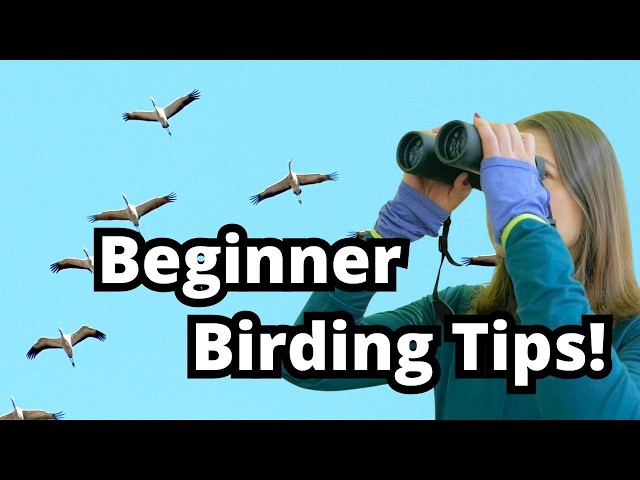
Credit: www.youtube.com
Frequently Asked Questions
How Can I Identify A Bird In My Backyard?
Look for size, color, beak shape, and song. Use a bird guide or app for help.
What Is The Best Time To Find Birds Outdoors?
Early morning is best. Birds are active and easier to see then.
Which Tools Help Beginners Find And Identify Birds?
Binoculars and a field guide or bird app are useful tools for beginners.
Conclusion
Finding a bird takes patience and a keen eye. Start by learning bird sounds and habits. Use binoculars to spot birds from afar. Visit parks, gardens, or forests early in the morning. Take notes or photos to remember what you see.
Respect birds and their spaces while observing. Enjoy the calm and beauty of nature. Bird watching can be a fun and relaxing hobby. Keep practicing, and you will spot more birds each time.