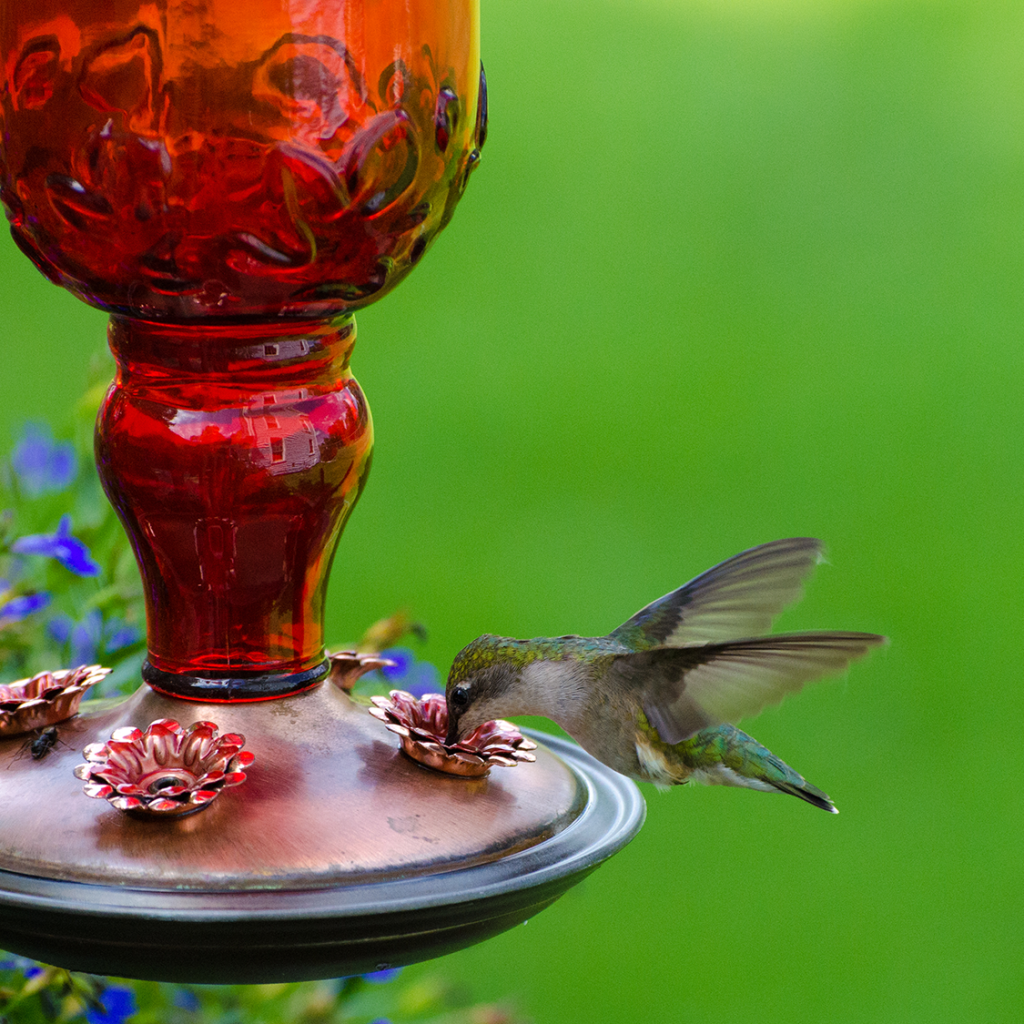
Have you ever watched a tiny hummingbird hover effortlessly, its wings a blur of motion? Imagine bringing that magic right to your backyard.
Feeding a hummingbird is easier than you think, and it can turn your outdoor space into a vibrant haven full of life and color. In this guide, you’ll discover simple steps to attract these dazzling birds and keep them coming back day after day.
Ready to welcome these joyful visitors? Let’s dive in and make your garden a hummingbird paradise.
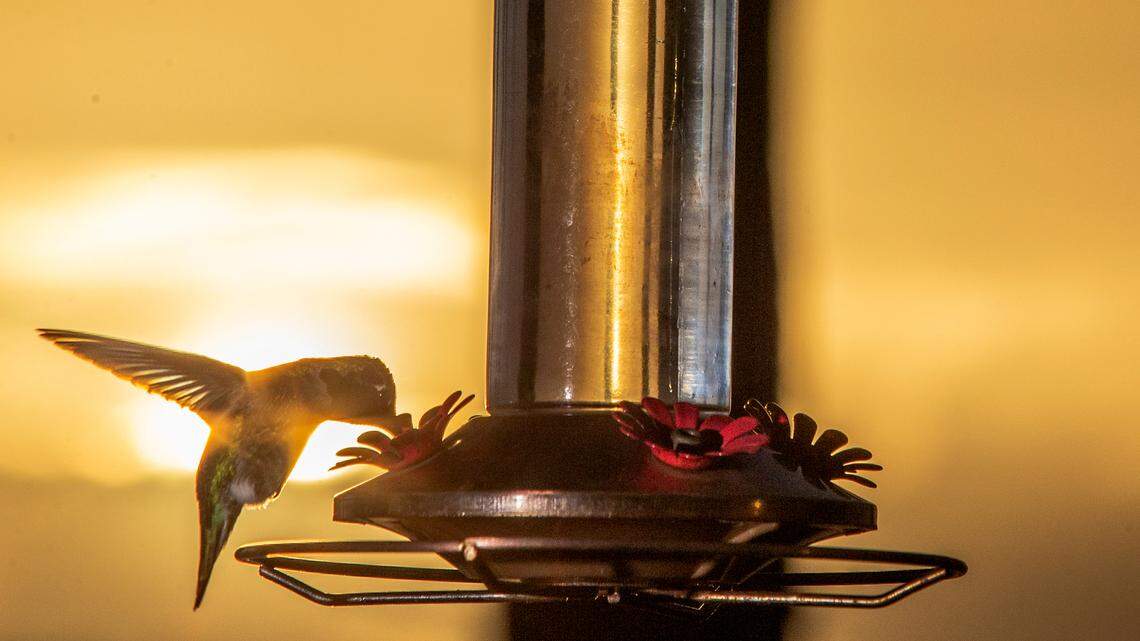
Credit: www.star-telegram.com
Choosing The Right Feeder
Hummingbird feeders come in many types. Some are made of plastic, glass, or metal. Choose one that is easy to clean. Clean feeders keep birds healthy.
Feeders with red partsattract hummingbirds best. They like bright colors. Some feeders have built-in bee guards to keep insects away. This helps protect the nectar.
| Material | Durability | Cleaning Ease |
|---|---|---|
| Plastic | Light and less breakable | Easy but can stain |
| Glass | Strong and long-lasting | Very easy to clean |
| Metal | Very durable | Needs careful cleaning |
Choose a feeder size based on how many hummingbirds visit. Small feeders hold less nectar and need refilling often. Large feeders hold more nectar but can spoil faster. Change nectar every few days to keep it fresh.

Credit: www.yahoo.com
Making The Perfect Nectar
Mix 1 part white granulated sugarwith 4 parts water. Boil the water first to kill any germs. Stir until the sugar fully dissolves. Let it cool before filling the feeder.
Avoid honey, artificial sweeteners, or red dye. These can harm hummingbirds. Use only pure white sugar and plain water to keep them safe and healthy.
- Store nectar in the fridge to keep it fresh.
- Replace the nectar every 3 to 5 days in warm weather.
- Clean the feeder well before refilling to stop mold growth.
Placing Your Feeder
Choose a shady spot to place your feeder, away from direct sunlight. Hang it near flowers or plants to attract hummingbirds easily. Keep the feeder visible but safe from strong winds and predators.
Ideal Locations
Choose a spot close to flowers. Hummingbirds love flowers. Position near a window for easy viewing. Ensure it’s high enough to be safe.
Avoiding Predators
Keep feeders away from cats and large birds. They can scare hummingbirds. Hang feeders from tree branches or use special poles. Avoid placing near nests or birdhouses.
Shade And Sunlight Considerations
Find a balance between shade and sunlight. Sunlight keeps nectar fresh. Shade prevents overheating. Mix both for best results. Morning sun and afternoon shade are perfect.
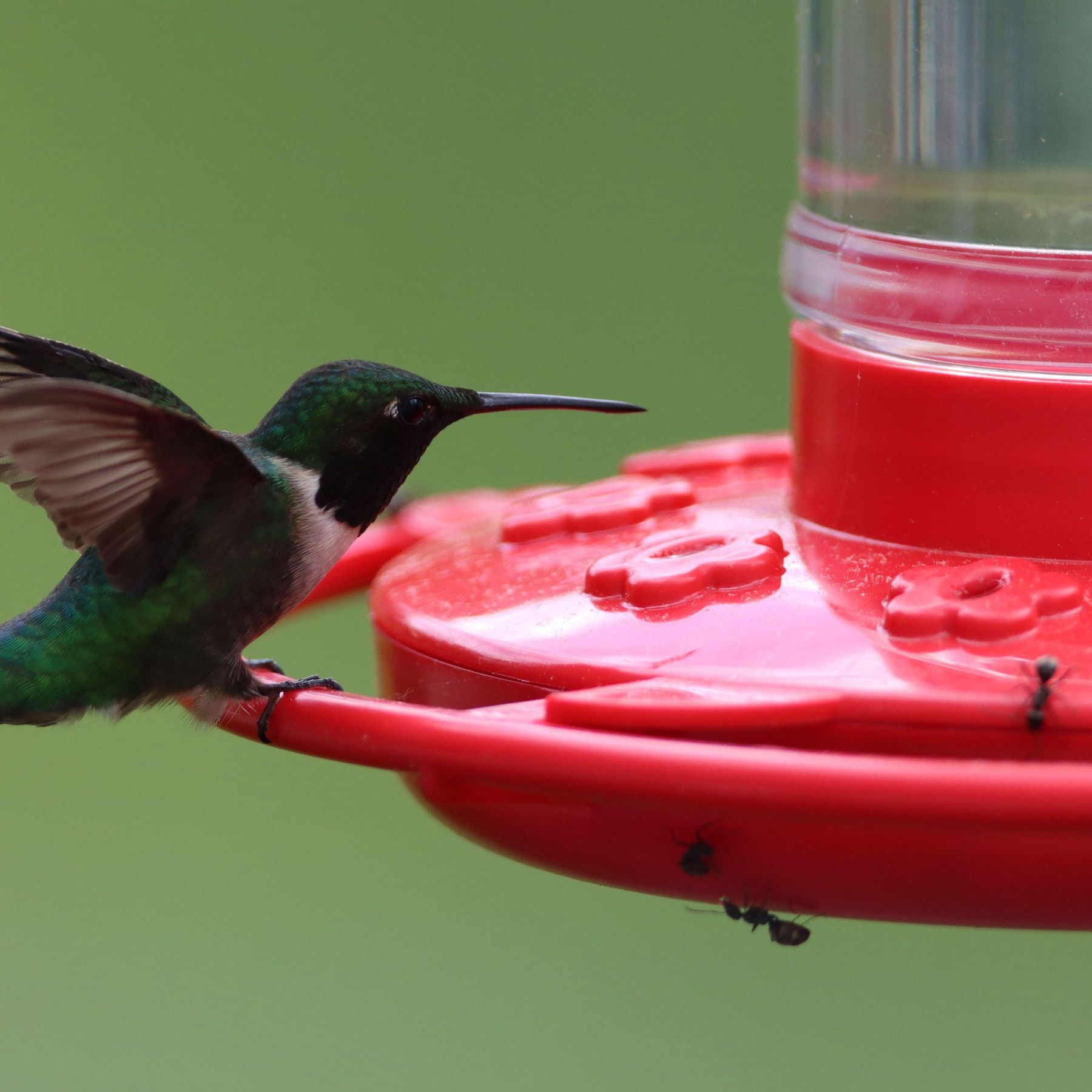
Credit: www.homesandgardens.com
Maintaining Feeder Cleanliness
Clean hummingbird feedersoften to keep birds healthy. Change the nectar every 3 to 5 days, or more if it’s hot. Frequent cleaning stops mold and bacteriafrom growing, which can harm hummingbirds.
Use safe cleaning methodslike warm water and mild soap. Avoid strong chemicals or bleach. Rinse feeders well to remove soap traces. Soaking feeders in a solution of one part vinegar to four parts water also works well.
Check feeders daily for signs of mold. Wipe away any dirt or sticky nectar spills. Keep the feeder in a shady spot to slow mold growth.
Attracting More Hummingbirds
Planting native flowershelps attract hummingbirds easily. These flowers offer natural nectar that hummingbirds love. Choose flowers with red, orange, or pinkcolors. Bright colors catch hummingbirds’ attention quickly.
Creating a bird-friendly habitatis also important. Provide fresh water and safe places to rest. Avoid using pesticides to keep birds healthy. Offer feeders with clean sugar water as an extra food source. Keep the feeders clean to prevent diseases.
- Use plants that bloom at different times for steady food.
- Place feeders near flowers but away from strong wind.
- Include shrubs or trees for shelter and nesting.
Seasonal Feeding Tips
Hummingbirds need fresh nectar regularly during warmer months. Clean feeders and change the solution every few days to keep them healthy. Offer food frequently to match their high energy needs in each season.
Feeding During Migration
Hummingbirds need extra energywhile migrating long distances. Offer fresh nectar more often to help them. Keep feeders clean to prevent mold and bacteria. Place feeders where birds can rest and feed safely.
Adjusting Nectar Concentration
Use a mix of 1 part sugar to 4 parts wateras standard nectar. Increase sugar slightly in colder months for more energy. Avoid honey or artificial sweeteners; they can harm birds. Change nectar every few days to keep it fresh.
Winter Feeding Guidelines
Feed hummingbirds if temperatures drop below freezing. Use a feeder that stays warm or bring it indoors at night. Keep nectar fresh and unfrozen by changing it often. Provide shelter near feeders to protect birds from cold winds.
Common Feeding Mistakes To Avoid
Overfeeding hummingbirds can cause health problems and stress. Too much sugar water makes them less likely to find natural food. It is best to fill feeders with fresh nectar only. Change the nectar every few days to keep it clean.
Never use honey or artificial sweeteners. Honey can grow harmful mold and hurt the birds. Artificial sweeteners do not provide the energy hummingbirds need. Use plain sugar mixed with water instead.
- Clean feeders regularly to stop mold growth.
- Remove any old nectar before adding new.
- Wash with hot water and a little vinegar.
- Check feeders for cracks or damage.
Neglecting feeder maintenance can cause disease. Dirty feeders attract bacteria and fungi. This can make hummingbirds sick.
Frequently Asked Questions
What Is The Best Food To Feed Hummingbirds?
A simple mix of four parts water and one part white sugar works well. No honey or artificial sweeteners.
How Often Should I Clean A Hummingbird Feeder?
Clean the feeder every 2 to 3 days to prevent mold and bacteria that can harm birds.
Can I Feed Hummingbirds Year-round?
Yes, but it depends on your location. Feed more in spring and summer when they are active.
Conclusion
Feeding hummingbirds brings joy and helps these small birds thrive. Use simple sugar water to attract them safely. Keep feeders clean to avoid harm. Place feeders in quiet spots with some shade. Watch their bright colors and quick movements closely.
Enjoy the peaceful moments they create around your home. Feeding hummingbirds is easy and rewarding for everyone. Try it today and see nature up close.