Have you ever wished your feathered friend could chat with you? Teaching a bird to talk isn’t just a fun trick—it can deepen the bond you share and fill your home with delightful sounds.
But how do you get started? With the right approach, patience, and simple techniques, you can unlock your bird’s hidden talent for speech. Keep reading, and you’ll discover easy steps that make teaching your bird to talk both enjoyable and rewarding.
Your bird’s new words might surprise you!

Credit: www.youtube.com
Choosing The Right Bird
Choosing the right bird is important for teaching it to talk. Some species are better at learning words and sounds. Parrots, African Grey Parrots, Budgerigars, and Cockatoosare popular for talking.
| Bird Species | Talking Ability | Temperament |
|---|---|---|
| African Grey Parrot | Excellent | Calm and Social |
| Budgerigar (Budgie) | Good | Playful and Friendly |
| Cockatoo | Moderate | Affectionate but Loud |
| Amazon Parrot | Good | Outgoing and Talkative |
Young birds learn faster than older ones. A bird with a calm and friendly nature will respond better. Patience and gentle care help build trust. This makes teaching easier and fun.
Creating A Positive Environment
Choose a cage that is large enoughfor your bird to move freely. Place the cage where your bird can see and hear you often. Keep the cage away from loud noises and busy areas. This helps your bird feel safe and calm.
Remove anything that could distractyour bird during talking practice. Turn off the TV and radio. Avoid sudden movements around the cage. A quiet space helps your bird focus on learning words.
- Place the cage near a window for natural light.
- Keep the cage clean to avoid stress.
- Use soft bedding and perches inside the cage.
- Limit other pets around the bird’s area.
Building Trust And Bonding
Spend time with your bird every day. Talk to your bird softly. This helps your bird feel safe. Use gentle movements around your bird. Try to be patient and kind.
Daily Interaction Techniques
- Speak in a calm voice. Birds like soft sounds.
- Sing simple songs or say short phrases. Repeat often.
- Read stories to your bird. Use easy words.
- Play gentle music. Birds enjoy melodies.
Using Treats And Rewards
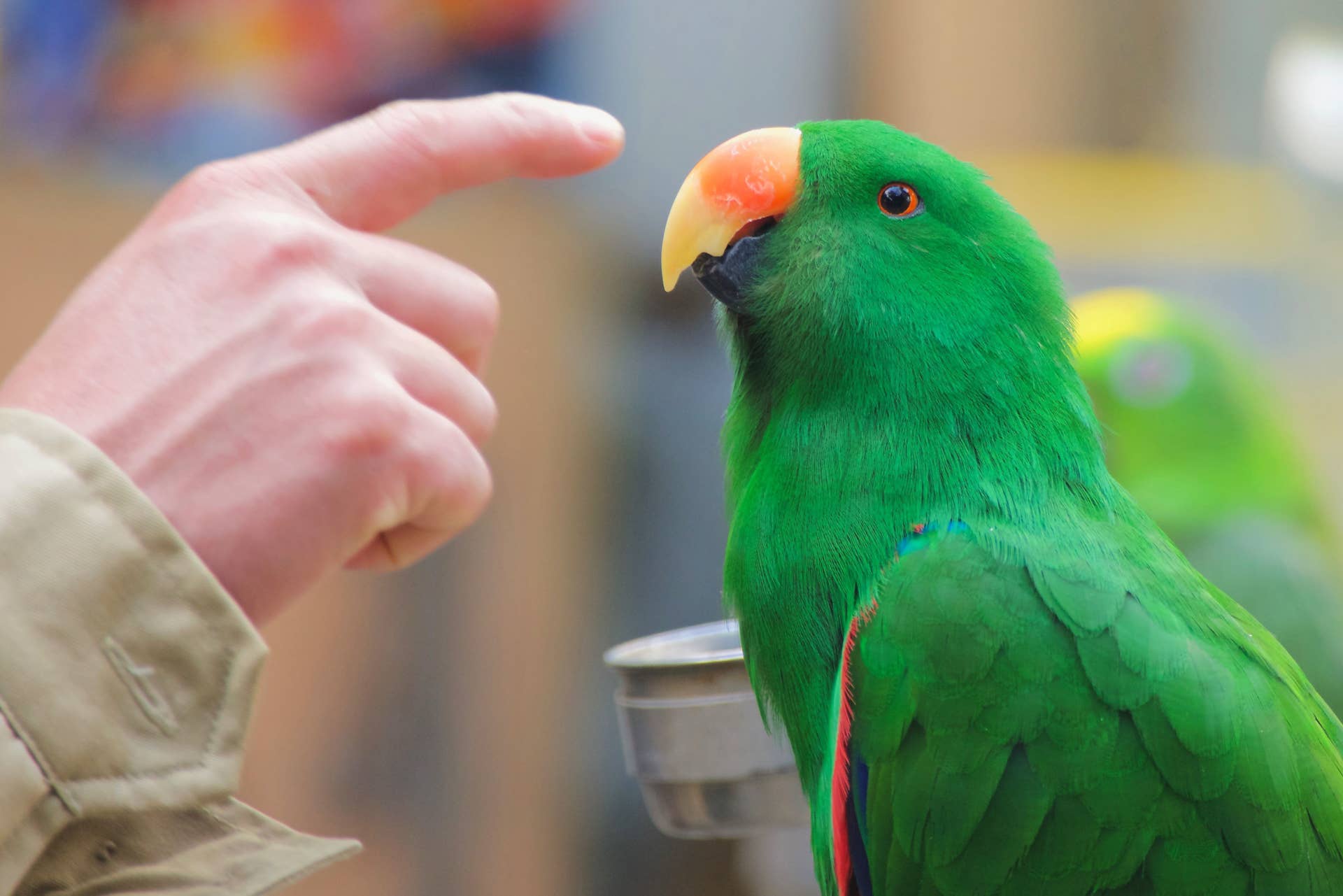
Give your bird treats after it tries to talk. Use small, tasty treats. Rewards can be fruit or seeds. Praise your bird for trying. Say, “Good bird,” often. This makes your bird happy.
Credit: pethelpful.com
Effective Training Methods
Repeating simple wordshelps birds learn faster. Use short, clear words like “hello” or “bye.” Say these words often and slowly. Birds remember words better when repeated many times.
Using clear and consistent commandsmakes training easier. Always use the same word for the same action. For example, say “come” every time you want the bird to come. This helps the bird connect the word with the action.
Incorporating visual cueshelps birds understand better. Use hand movements or show objects when saying words. Birds pay attention to gestures and link them to words more easily.
Utilizing Technology
Technology helps by playing clear, repeated words for birds to hear often. Using recordings can make teaching easier and more consistent. This keeps the bird interested and speeds up learning.
Audio Recordings And Apps
Audio recordings can help birds learn words clearly. Repeat short phrases often. Use apps made for bird training. These apps play words in a soft voice. Your bird hears the words many times. This helps birds remember and repeat sounds. Keep sessions short to keep your bird interested. Consistency is key for best results.
Video Tutorials For Birds
Videos show birds how to move their beaks. Some videos include sounds for birds to mimic. Play these videos during quiet times. Birds learn by watching and listening closely. Choose videos made for bird training only. Watch your bird’s reaction to find favorite videos.
Troubleshooting Common Issues
Birds may not speak clearly at first or stay quiet. Patience and consistent practice help solve these problems. Watch for signs of stress and change your approach if needed.
Overcoming Shyness
Patienceis key when your bird seems shy. Spend quiet time near your bird daily. Speak softly and offer treats. Avoid sudden moves or loud sounds. Try using a mirror so the bird talks to its reflection. Gradually, your bird will feel more comfortable. A calm, gentle voice helps build trust fast.
Handling Lack Of Progress
Change the environment if your bird is not learning. Use short, clear wordsand repeat them often. Train in small sessions, about 5-10 minutes each. Praise your bird with gentle petting or snacks. Make sure your bird is healthy and rested. Sometimes, switching training times to when your bird is most active helps. Consistency is important; keep practicing every day.
Maintaining And Expanding Vocabulary
Introduce new words slowly. Use simple words first. Repeat words often. Give your bird time to learn each word well. Avoid teaching too many words at once. This helps your bird remember better.
Practice every day. Speak clearly and use the same tone. Encourage your bird to repeat words. Praise and reward your bird for trying. Short, regular sessions work best. This keeps your bird interested and eager to learn more.

Credit: petmediaplus.com
Frequently Asked Questions
How Long Does It Take To Teach A Bird To Talk?
Most birds start talking in a few weeks. Patience and daily practice are key.
What Bird Species Are Best For Learning To Talk?
Parrots, budgies, and cockatiels learn words easily. They are popular talking birds.
How Can I Encourage My Bird To Speak?
Use clear, simple words. Repeat often. Praise your bird with treats and love.
Conclusion
Teaching a bird to talk takes time and patience. Speak clearly and repeat words often. Use simple words your bird can hear every day. Reward your bird with treats and praise when it tries to talk. Keep training sessions short and fun to hold its attention.
Remember, every bird learns at its own pace. Enjoy the process and celebrate small successes. Talking birds bring joy and closer bonds. With care and effort, your bird can learn to talk well. Keep practicing and stay positive throughout the journey.