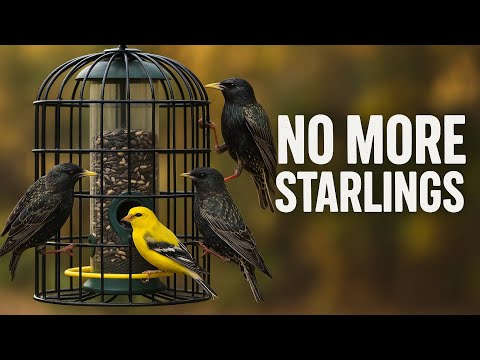
Are you tired of starlings taking over your bird feeders and scaring away the smaller birds you want to attract? You’re not alone.
Starlings can be loud, messy, and aggressive, making it hard to enjoy your backyard birdwatching. But don’t worry—there are simple, effective ways you can keep these pesky birds at bay without harming them. You’ll discover easy tips and tricks to protect your feeders and welcome the birds you actually want to see.
Keep reading to take back control of your bird feeder and create a peaceful haven for your feathered friends.
Why Starlings Visit Feeders
Starlings visit feedersmainly for easy food. They like foods that are soft and big. Foods like bread crumbs, sunflower seeds, and suet attract them the most. These foods are easy to eat and full of energy.
Feeders placed in open spacesor near windows draw more starlings. They prefer places where they can see around easily. If feeders are too close to bushes or trees, starlings feel safer and visit more.
Starlings are social birds. They come in groups and stay for a long time. They are also very curious and bold. Once they find food, they keep coming back and may scare other birds away.
Choosing Starling-resistant Feeders
Tube feeders with small portsare ideal to keep starlings away. The small openings allow only small birds to eat. Starlings have large beaks and can’t reach the seeds inside. These feeders also reduce seed waste and mess.
Caged feedershave a metal cage around the seed area. The openings in the cage are just big enough for small birds to enter. Starlings are too large to fit inside. This keeps the food safe for smaller birds.
Weight-sensitive feedersclose the feeding ports when heavy birds land. Starlings are heavier than most small birds. The feeder senses their weight and shuts off, stopping them from eating.
Altering Food To Deter Starlings
Nyjerand thistle seedsattract small birds like finches. These seeds are hard for starlings to eat. Using feeders designed for nyjer can help keep starlings away.
Starlings like milletand corn. Avoid these seeds to reduce their visits. Millet and corn are easy for starlings to eat and enjoy.
- Mix seed blends with more nyjer or thistle seeds.
- Reduce or remove millet and corn from blends.
- Use blends that small birds prefer but starlings dislike.

Credit: www.facebook.com
Physical Deterrents For Feeders
Physical barriers like baffles or cages can block starlings from reaching bird feeders. Choosing feeders with small openings also limits access to larger birds. These simple changes help protect your feeder from unwanted visitors.
Installing Baffles
Baffles confuse starlings and block their access. They can be cone-shaped or dome-shaped. Baffles are placed above or below feeders. These barriers are simple to install and effective.
Using Spikes And Nets
Spikes prevent starlings from landing. Nets keep them away from bird food. Both are easy to set up. Spikes and nets deter starlings safely.
Strategic Feeder Placement
Place feeders near shrubs or trees. Starlings avoid crowded spaces. Use small feeders that suit small birds. This discourages starlings from visiting.
Behavioral Techniques To Limit Access
Feed birds at specific timeseach day. This helps control when birds visit. Starlings may avoid feeders if food is only available for short periods.
Remove any seed spillsunder feeders quickly. Seeds on the ground attract starlings and other unwanted birds. Keeping the area clean reduces their interest.
Cut down on the food quantityoffered. Large amounts of seed can invite starlings. Smaller portions make the feeder less attractive to them.
- Feed birds early morning or late afternoon only.
- Clean spilled seeds daily or after each feeding.
- Offer just enough food to be eaten quickly.

Credit: www.facebook.com
Alternative Feeding Options For Starlings
Separate feeding stations can help keep starlings away from your main feeders. Place one feeder far from others with food that starlings like. This draws them away and protects smaller birds.
Offering different food types also works well. Starlings prefer soft, large seeds like sunflower seeds. Using nyjer or safflower seeds attracts smaller birds instead. Changing food types keeps starlings less interested.
Encouraging natural foraging helps birds find food on the ground or in plants. Scatter seeds or fruits in your yard to give birds choices. This way, starlings may spend more time searching for food naturally.
| Strategy | How It Works | Benefit |
|---|---|---|
| Separate Feeding Stations | Place starlings’ preferred food away from main feeders | Reduces starling visits at main feeders |
| Offering Different Food Types | Use seeds like nyjer or safflower to attract small birds | Discourages starlings from feeding |
| Encouraging Natural Foraging | Scatter food in yard for birds to find naturally | Distracts starlings and supports wildlife |
Legal And Ethical Considerations
Many places have rules to protect wild birds. Check local laws before taking action. Some areas forbid harming or trapping starlings. It is important to follow these rules to avoid fines or trouble.
Using humane methodsis best. Scaring starlings away without hurting them works well. Here are some common ways:
- Use shiny objects to reflect light and frighten birds.
- Place feeders with small openings for tiny birds only.
- Try sound devices that emit noises starlings dislike.
- Move feeders often to keep birds guessing.
These ways help keep starlings away but do not harm them. Always choose kind and safe options.

Credit: www.facebook.com
Frequently Asked Questions
How Can I Stop Starlings From Eating Bird Food?
Use feeders with small openings that only allow small birds to enter. This limits starlings.
What Bird Seed Do Starlings Avoid Most?
Nyjer and safflower seeds are less liked by starlings but attract other birds.
Does Changing Feeder Location Help Keep Starlings Away?
Yes, moving feeders to open, less sheltered spots can reduce starling visits.
Conclusion
Keeping starlings away from bird feeders helps other birds thrive. Use feeders designed for small birds only. Offer seeds starlings do not like, such as safflower. Place feeders in open spaces to spot starlings quickly. Regular cleaning also keeps feeders inviting for the right birds.
Small changes make a big difference in your garden. Enjoy watching your favorite birds visit peacefully every day. Stay patient and consistent with these simple steps. Your bird feeder will be a safe spot for all good birds.