Have you ever been startled by a bird suddenly hitting your window? It’s not just upsetting for you—it can be harmful or even deadly for the bird.
If you want to protect your feathered visitors and keep your home safe, you need simple, effective ways to stop birds from flying into your windows. You’ll discover easy tips that really work, so you can enjoy watching birds without worry.
Keep reading to learn how to create a bird-friendly space around your windows right now.

Credit: www.youtube.com
Why Birds Collide With Windows
Birds often hit windows because they see reflectionsof trees or sky. These reflections make glass look like open space. Windows can also be transparent, so birds try to fly through them. This causes collisions and injuries.
| Common Bird Species Affected | Times of Day with Highest Collisions |
|---|---|
| Robins | Early morning |
| Finches | Late afternoon |
| Sparrows | Morning and evening |
| Warblers | Midday |
Most collisions happen when light changes quickly. Bright sunlight or shadows make reflections stronger. Birds fly fast and can’t see glass in time.

Credit: www.facebook.com
Simple Window Treatments
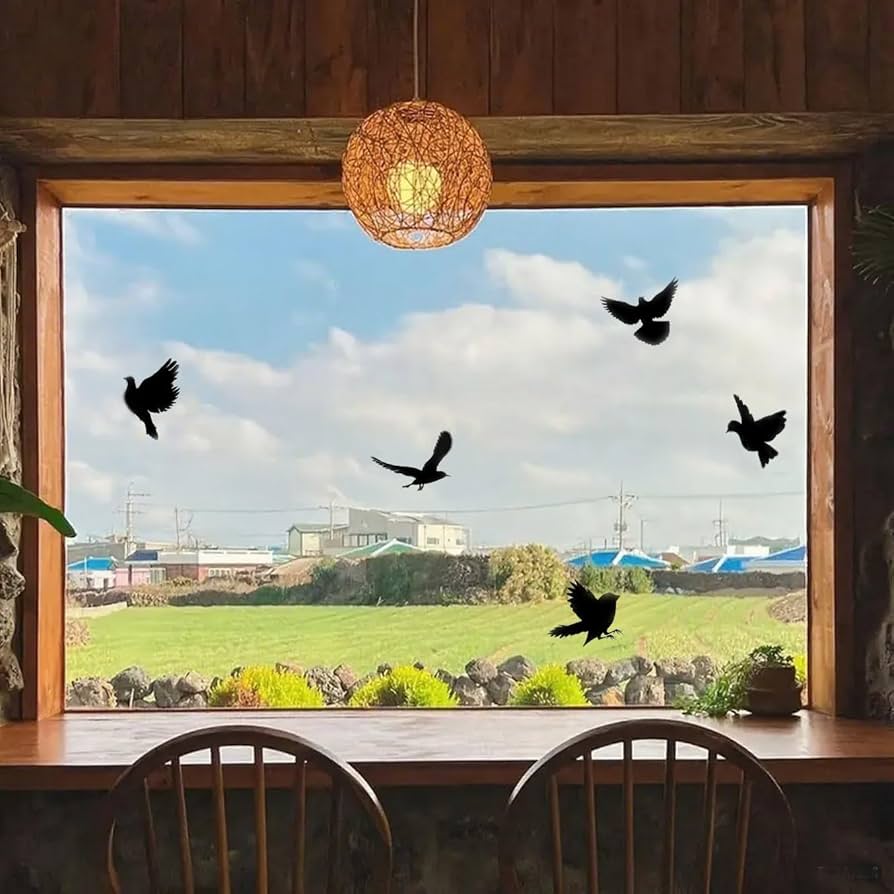
Decals and stickershelp birds see windows clearly. Place them close together to break up reflections. Use shapes like birds or patterns for better results. These simple markers reduce bird collisions by making glass visible.
Window filmsadd a layer that cuts glare and reflections. Films with patterns or frosted designs make windows less shiny. This stops birds from confusing windows with open sky or trees.
External screenscreate a physical barrier outside the window. Screens soften reflections and give birds a safe cushion if they fly near. They also add shade inside your home.
Structural Solutions
Placing windows where birds can easily see through helps reduce collisions. Windows near bird feeders or plants may confuse birds. Moving windows or adding screens can create safe spaces.
External shades or awnings block sun glare and make windows less shiny. This helps birds notice the glass and avoid flying into it. Shades also add a layer of protection that birds can see clearly.
Angled window designs reflect the sky or ground instead of open space. Birds see solid surfaces and avoid flying toward the glass. Slanting windows downward or outward reduces reflection and bird strikes.

Credit: www.instagram.com
Landscaping And Environmental Changes
Place tall bushesnear windows. They can block reflections. Use vinesto cover window edges. This helps to soften shiny surfaces. Tree brancheswork well too. They break up large reflective areas.
Move bird feedersaway from windows. This can keep birds safe. Avoid putting water sources near windows. Birds might crash while drinking. Keep bright objectsaway from windows. These can lure birds too close.
Design open paths for birds. Use fencesto guide them safely. Ensure paths are clear of obstacles. Birds need space to fly freely. Position plantsaway from windows. This helps birds to avoid collisions.
Technological And Innovative Methods
Ultrasonic bird deterrentsemit sounds birds dislike. These sounds are silent to humans. They help keep birds away without harm. Easy to install near windows or gardens. Works best in quiet areas.
Motion-activated devicesscare birds using sudden actions. Lights flash or sounds play when birds approach. These quick reactions stop birds from flying into windows. They are eco-friendly and need little maintenance.
Smart glass solutionschange window appearance to warn birds. Glass can turn frosted or show patterns when needed. This makes the glass visible to birds. Helps reduce collisions while keeping clear views.
Maintenance And Monitoring
Regularly check windows for signs of bird collisions. Look for feather marks or cracks. This helps to see if current methods work well. Fix or change anything that does not stop birds.
Keep a simple record of bird hits. Note the date, time, and place. This shows patterns and helps make better choices. Acting fast can save birds from harm.
Change your bird protection as seasons shift. Birds fly differently in spring, summer, fall, and winter. Adjust decals, screens, or netting to fit the time of year. This keeps your windows safe all year.
Frequently Asked Questions
Why Do Birds Fly Into Windows?
Birds see reflections or clear glass and think it’s open space or sky.
What Are Simple Ways To Stop Birds Hitting Windows?
Use stickers, tape, or curtains to break window reflections and make glass visible.
Can Outdoor Feeders Reduce Bird Collisions With Windows?
Placing feeders closer than 3 feet or farther than 30 feet can lower collision risks.
Conclusion
Stopping birds from flying into windows helps protect them and your home. Simple steps work well, like adding decals or screens. Changing reflections on glass can make a big difference. Keep trying different methods to see what fits best. Caring for birds shows respect for nature around us.
Small efforts create a safer space for birds every day. Stay patient and watch your windows become bird-friendly zones.