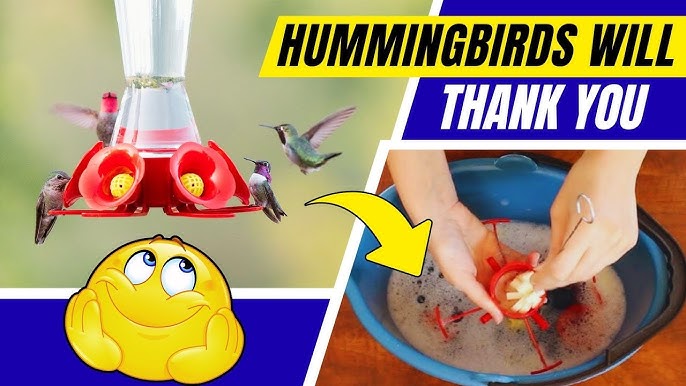
If you love watching hummingbirds visit your yard, keeping their feeders clean is a must. Mold in your hummingbird feeder isn’t just unsightly—it can harm these tiny visitors.
You might wonder how to get rid of mold safely and quickly so your feeders stay inviting and your hummingbirds stay healthy. You’ll discover simple, effective steps to clean your hummingbird feeders and keep mold away for good. Ready to make your feeders sparkle again?
Let’s dive in.
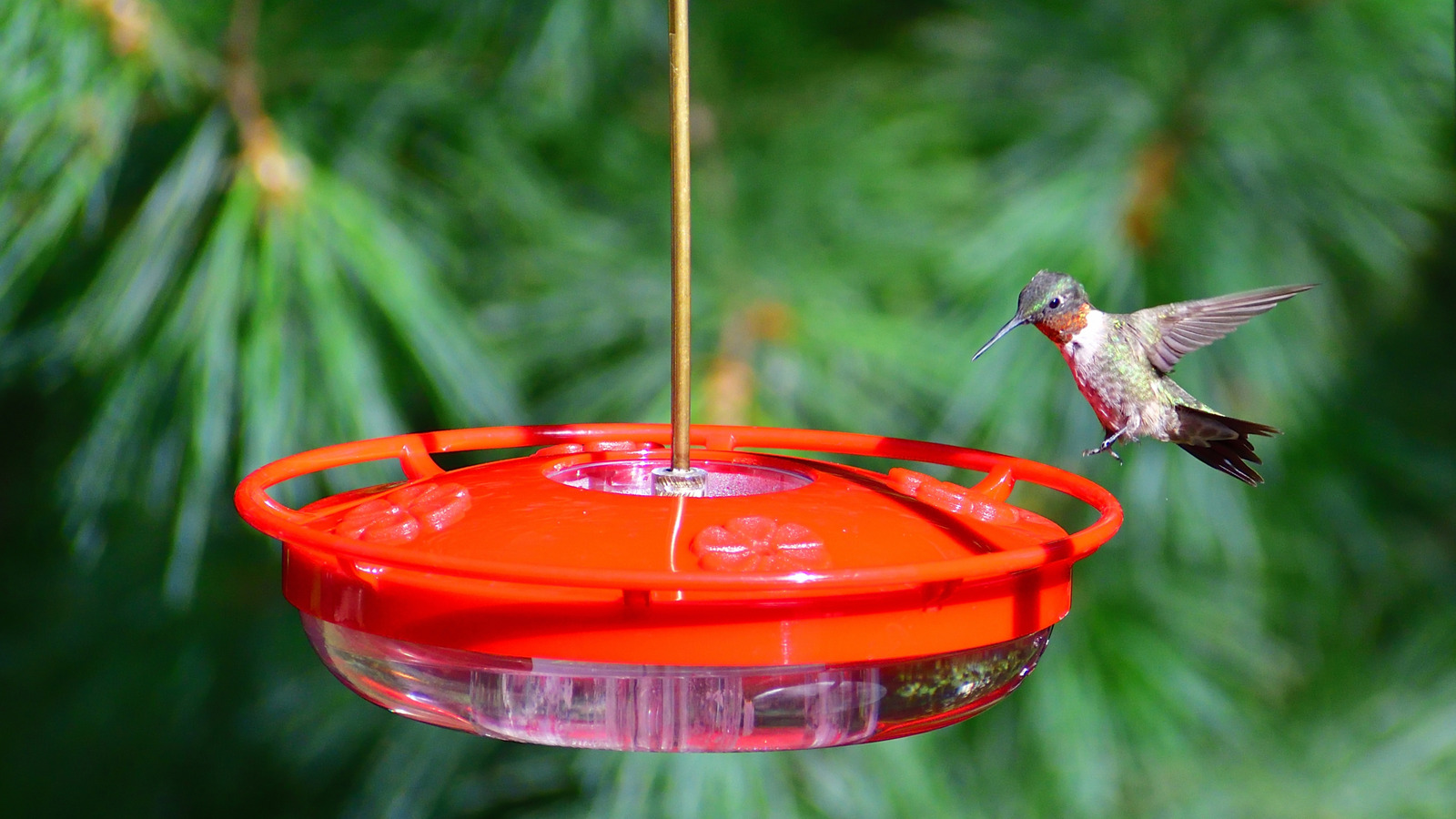
Credit: www.housedigest.com
Signs Of Mold In Feeders
Look closely at your hummingbird feeder to spot mold. It often appears as white, green, or black fuzzy patches. The sugar water may look cloudy or thick, which is a sign of mold growth. You might also see slimy or sticky residueinside the feeder. Mold can cause a bad smell around the feeder too. Birds may stop visiting if mold is present. Check the feeder dailyduring warm weather, as mold grows fast. Cleaning is essential to keep birds safe and healthy.
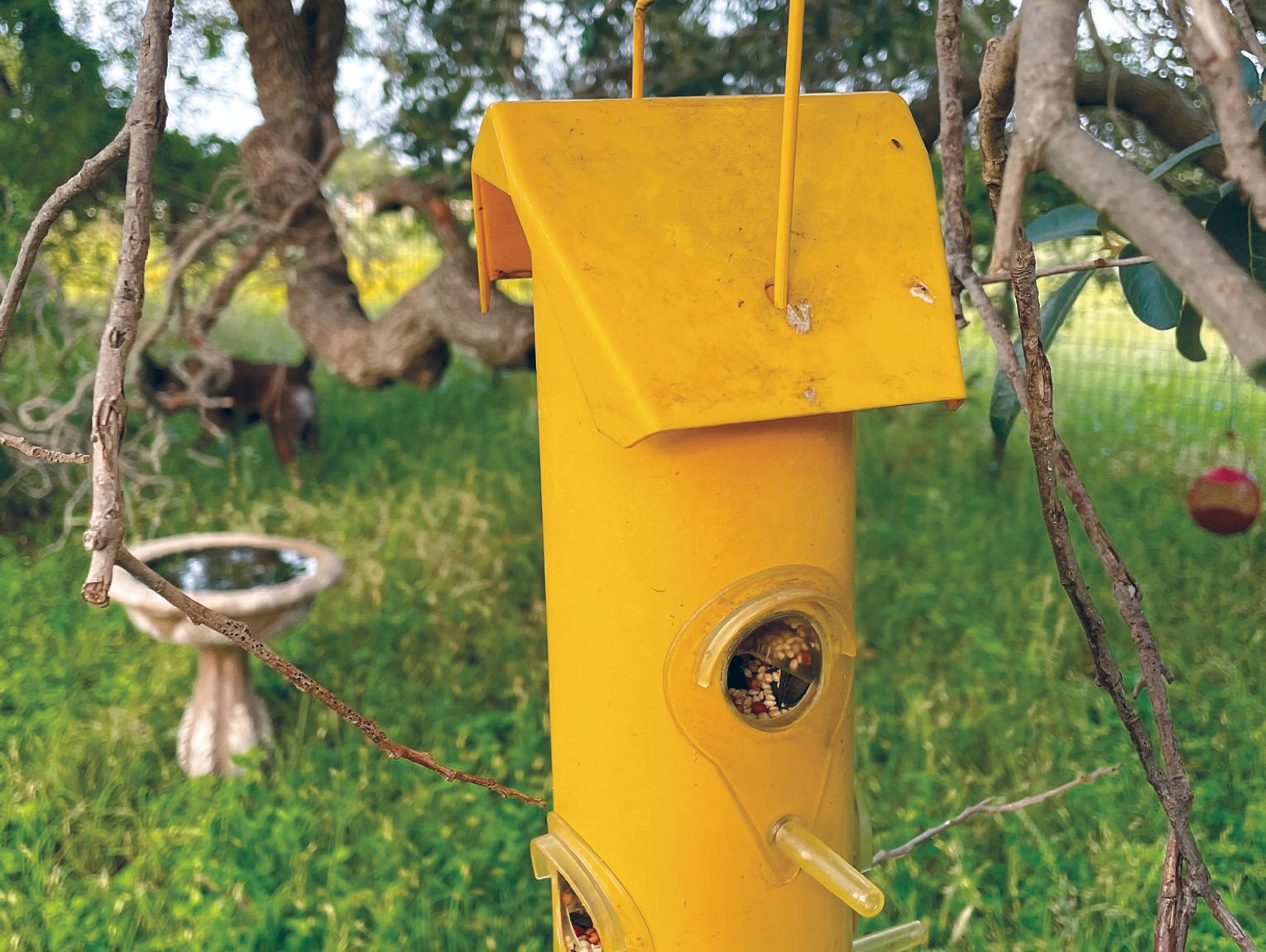
Credit: www.highlandernews.com
Safe Cleaning Materials
Use only safe cleaning materials to protect hummingbirds.
- Warm waterhelps to loosen mold and dirt.
- Mild dish soapcleans without harming birds.
- White vinegarkills mold and is safe.
- Baking sodaremoves odors and cleans gently.
- Soft brushesreach small feeder parts without damage.
Avoid harsh chemicals like bleach or ammonia. They can hurt birds.
Rinse feeders well to remove any soap or vinegar residue.
Step-by-step Cleaning Process
Remove all nectar and take apart the feeder. Use warm water and mild soap to clean each piece. A soft brush helps reach small holes and crevices. Rinse thoroughly to remove soap. Soak parts in a solution of one part white vinegar and four parts water for 30 minutes. This kills mold and bacteria. Scrub again if needed. Rinse well to remove vinegar smell. Let all parts dry completely before refilling. Clean feeders every few days to stop mold growth. Keep nectar fresh and store feeders in a cool, shaded place.

Credit: www.facebook.com
Preventing Mold Growth
- Clean feeders every few days to keep them fresh.
- Use hot water and a brush for thorough cleaning.
- Mix vinegar with water to kill mold spores.
- Rinse feeders well after using vinegar solution.
- Let feeders dry completely before refilling.
- Store feeders in cool places to avoid mold.
- Replace nectar often to prevent mold growth.
- Check feeders for mold signs regularly.
Keep feeders out of direct sunlight. Sunlight helps mold grow faster. Always check for cracks or leaks. Fix them quickly. Clean feeder parts separately for better results.
Maintaining Feeder Hygiene
Clean hummingbird feedersoften to stop mold growth. Use warm water and mild soapto wash all parts.
Scrub with a soft brushto reach small holes. Rinse very well to remove soap.
For tough mold, soak parts in a mix of one part white vinegar and four parts waterfor 30 minutes. Rinse again.
Dry all pieces completely before refilling. Keep feeders in the sun to help dry faster.
- Check feeders every 3-4 days.
- Empty feeders if mold appears.
- Use fresh nectar, avoid leftovers.
Frequently Asked Questions
How Often Should I Clean Hummingbird Feeders With Mold?
Clean hummingbird feeders every 3 to 4 days to prevent mold growth and keep birds safe.
What Is The Best Way To Remove Mold From Feeders?
Use a mixture of hot water and vinegar or baking soda to scrub mold off feeders.
Can Moldy Nectar Harm Hummingbirds?
Yes, moldy nectar can make hummingbirds sick and should be cleaned out immediately.
Conclusion
Cleaning hummingbird feeders stops mold from harming birds. Regular washing keeps feeders safe and fresh. Use warm water and gentle soap for best results. Rinse well to remove all soap traces. Dry feeders completely before refilling with nectar. Clean feeders every few days, especially in warm weather.
Healthy feeders help hummingbirds stay strong and happy. Simple care makes a big difference for these tiny birds. Keep your feeder clean and enjoy watching hummingbirds visit often.