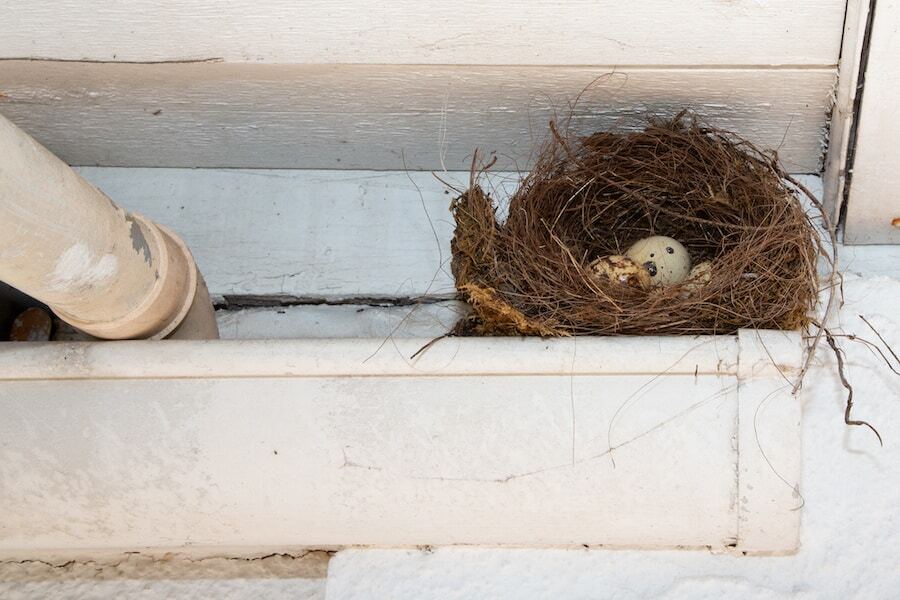
Are you struggling with an unwanted bird nest on your property? It can be frustrating to see birds building nests where you don’t want them, causing mess and sometimes damage.
But don’t worry—getting rid of a bird nest doesn’t have to be difficult or stressful. You’ll discover simple and effective ways to safely remove bird nests and keep your space clean and comfortable. Keep reading, and you’ll learn exactly what steps to take to handle this problem quickly and easily.

Credit: swibirds.org
Why Remove Bird Nests
Bird nestscan carry diseasesand parasites harmful to humans. This creates health risksfor families, especially children and pets.
Nests often cause property damage. Birds use twigs and mud that can clog gutters and damage roofs or walls. This may lead to costly repairs.
| Legal Considerations | Details |
|---|---|
| Protected Species | Some birds are protected by law. Removing nests can be illegal during breeding season. |
| Permits | In some areas, you need permits to remove nests safely and legally. |
| Timing | Best to wait until chicks leave the nest to avoid breaking laws. |

Credit: www.facebook.com
Best Time To Remove Nests
The best time to remove bird nestsdepends on the season. Birds usually build nests in spring and early summer. Removing nests during these months might disturb baby birds or eggs. The safest time is after the breeding season, typically late summer or fall.
Check the nest before removal. An active nesthas:
- Birds flying to and from it.
- Fresh leaves or twigs added.
- Sounds of chicks or birds inside.
Empty nests are old or abandoned. Removing these is safer and easier. Always try to respect nature and local laws about bird protection.
Tools And Materials Needed
Gloves, a ladder, and a trash bag help ensure safety and easy nest removal. A broom or brush can clear debris thoroughly. Having these tools ready makes the process smoother and safer.
Protective Gear
Wearing protective gear keeps you safe. Gloves protect your hands. Goggles shield your eyes from dust. A mask helps you breathe clean air. Long sleeves prevent scratches. Hats guard your head from falling debris. Boots protect your feet from sharp objects. Safety first!
Cleaning Supplies
Cleaning supplies help tidy up the area. Use a broom to sweep away mess. Trash bags hold waste materials. Disinfectant cleans surfaces and prevents germs. A bucket holds water for cleaning. Use cloths for wiping dirt. Brushes help scrub stubborn spots. Keep everything neat and clean!

Credit: www.angi.com
Safe Removal Techniques
Manual removal is best done when no birds or eggs are inside. Use gloves to protect your hands. Gently take down the nest and place it in a sealed bag. Dispose of the nest far from your home to avoid reuse. Clean the area with soap and water to remove any scent.
Natural repellents help keep birds away without harm. Sprinkling crushed chili peppers or garlic near the nesting spot works well. Vinegar sprayed around the area also discourages birds. These options are safe for the environment and pets.
Visual aids can scare birds from nesting again. Hanging shiny objects like old CDs or aluminum foil strips makes birds uncomfortable. Placing fake predators like owls or snakes near the site also helps. Move these aids regularly to maintain their effect.
Preventing Future Nesting
Seal all small holes and gaps around your home. Birds use these to build nests. Use mesh or caulk to block entry points. Keep doors and windows closed when not in use. Installing bird deterrents can make your space less inviting. Hang shiny objects like old CDs or foil strips to scare birds away. Place bird spikes or netting on ledges and roofs. These tools stop birds from landing and building nests.
Regular maintenance helps prevent future nesting. Clean gutters and remove old nests often. Trim tree branches near your house to reduce access. Check your home weekly for new signs of nests. Acting fast keeps birds from settling in again.
When To Call Professionals
Professionals should be called if the nest is in a hard-to-reach spot or if birds are protected by law. Handling nests with eggs or chicks also requires expert care. Safety and legal rules make expert help important in many cases.
Handling Large Nests
Large nests can be difficult and unsafe to remove alone. Professionals have the right tools and experience. They can remove nests without harming birds or damaging property. Attempting to remove a big nest might cause injury or mess. Experts also know how to clean the area to prevent new nests.
Dealing With Protected Species
Many birds and their nests are protected by law. Removing these nests without permission is illegal. Professionals understand these laws and follow proper steps. They can check if the species is protected and get needed permits. This keeps both the birds and you safe.
Frequently Asked Questions
How Can I Safely Remove A Bird Nest From My Home?
Remove nests only when empty. Wear gloves and use gentle tools to avoid damage.
What Is The Best Time To Get Rid Of A Bird Nest?
Remove nests after birds leave, usually late summer or early fall.
Are There Legal Rules About Removing Bird Nests?
Many birds are protected by law. Check local rules before removal.
Conclusion
Getting rid of a bird nest takes patience and care. Always check local laws before removing nests. Use gentle methods to avoid harming birds or eggs. Clean the area well to stop birds from returning. Keep your home and yard free from materials birds like.
Staying consistent helps keep birds away for good. Small steps make a big difference over time. Protect your space while respecting nature’s creatures. You can create a safe, bird-free environment with these tips.