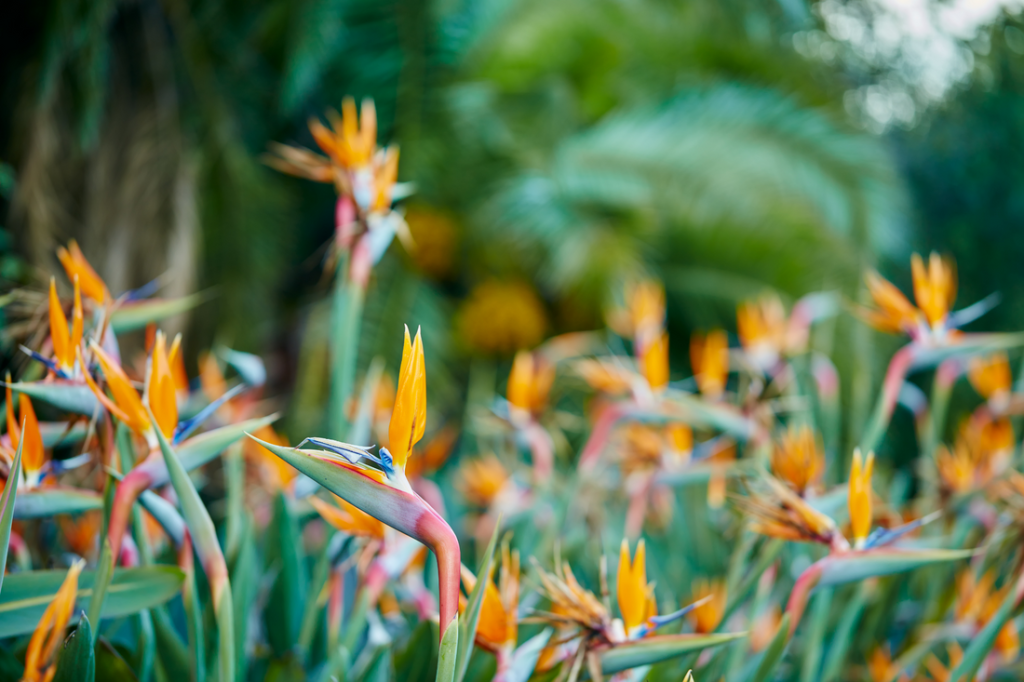
Are you ready to bring a splash of tropical beauty to your garden? Planting Bird of Paradise seeds is a rewarding way to grow these stunning, exotic flowers right at home.
But starting from seed can feel tricky if you don’t know the secrets to success. You’ll discover simple, step-by-step tips that make growing Bird of Paradise plants easier than you think. Keep reading, and soon you’ll enjoy vibrant blooms that turn heads and brighten your space.
Your garden is about to get a whole lot more exciting!
Choosing Quality Seeds
Viable bird of paradise seedshave a hard, smooth shell. They should feel firm and not cracked or dry. Seeds with a dark, shiny surface often grow best. Avoid seeds that look shriveled or have spots.
Seeds can be tested by placing them in water. Healthy seeds sink, while bad ones float. This simple step helps pick strong seeds for planting.
- Buy seeds from trusted garden centers or nurseries.
- Online stores also offer a wide variety of seeds.
- Check customer reviews and ratings before buying.
- Choose fresh seeds with clear packaging and labels.

Credit: www.reddit.com
Preparing Seeds For Planting
Soaking Bird of Paradise seedssoftens their hard outer shell. Use warm water and soak the seeds for 24 to 48 hours. Change the water once to keep it fresh. This helps the seeds absorb water and start the germination process faster.
Scarificationhelps seeds sprout by breaking or softening their tough coat. Gently rub seeds with sandpaper or use a small file to scratch the surface. Be careful not to damage the inside. This allows water to enter more easily, improving the chance of sprouting.
| Technique | Purpose | How to Do It |
|---|---|---|
| Soaking | Softens seed coat | Place seeds in warm water for 24-48 hours |
| Scarification | Breaks seed coat | Rub with sandpaper or scratch lightly |
Selecting The Right Soil
Selecting the right soil ensures Bird of Paradise seeds thrive. Use well-draining soil with organic matter. This promotes healthy root growth, essential for strong plants.
Soil Composition
Bird of Paradise seeds need specific soil. Loamy soil is ideal. It provides good nutrients and support. Mix sand with soil for better results. This improves air flow and root growth. Avoid heavy clay soil. It holds too much water. Clay soil can cause root rot.
Drainage Requirements
Proper drainage is crucial for healthy plants. Ensure soil drains well. Use pots with drainage holes. Water should escape easily. Add pebbles at the bottom of the pot. They help water flow. Check soil texture often. If soil is soggy, roots may rot.
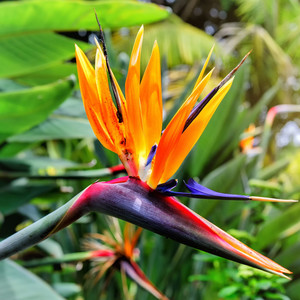
Credit: www.plant-world-seeds.com
Ideal Planting Conditions
Bird of Paradise seeds grow best in warm temperaturesbetween 70°F and 85°F (21°C to 29°C). They need bright, indirect lightto sprout well. Too much direct sun can dry out the seeds and soil quickly.
Ideal planting time is spring or early summer. This gives seeds plenty of warmth and light for strong growth. Avoid planting in cold months since low temperatures slow germination.
- Keep soil moist but not soggy
- Place seeds in a warm, bright spot indoors
- Avoid drafts and sudden temperature changes
Planting Process
Plant bird of paradise seeds about 1 inch deepin well-draining soil. Space seeds at least 12 inches apartto give each plant room to grow. This spacing helps prevent overcrowding and allows roots to spread freely.
Keep the soil moist but not soggy. Water gently to avoid washing away seeds. Watering once or twice a week is usually enough. Adjust watering based on weather and soil dryness. Using a spray bottle can help keep soil evenly moist.
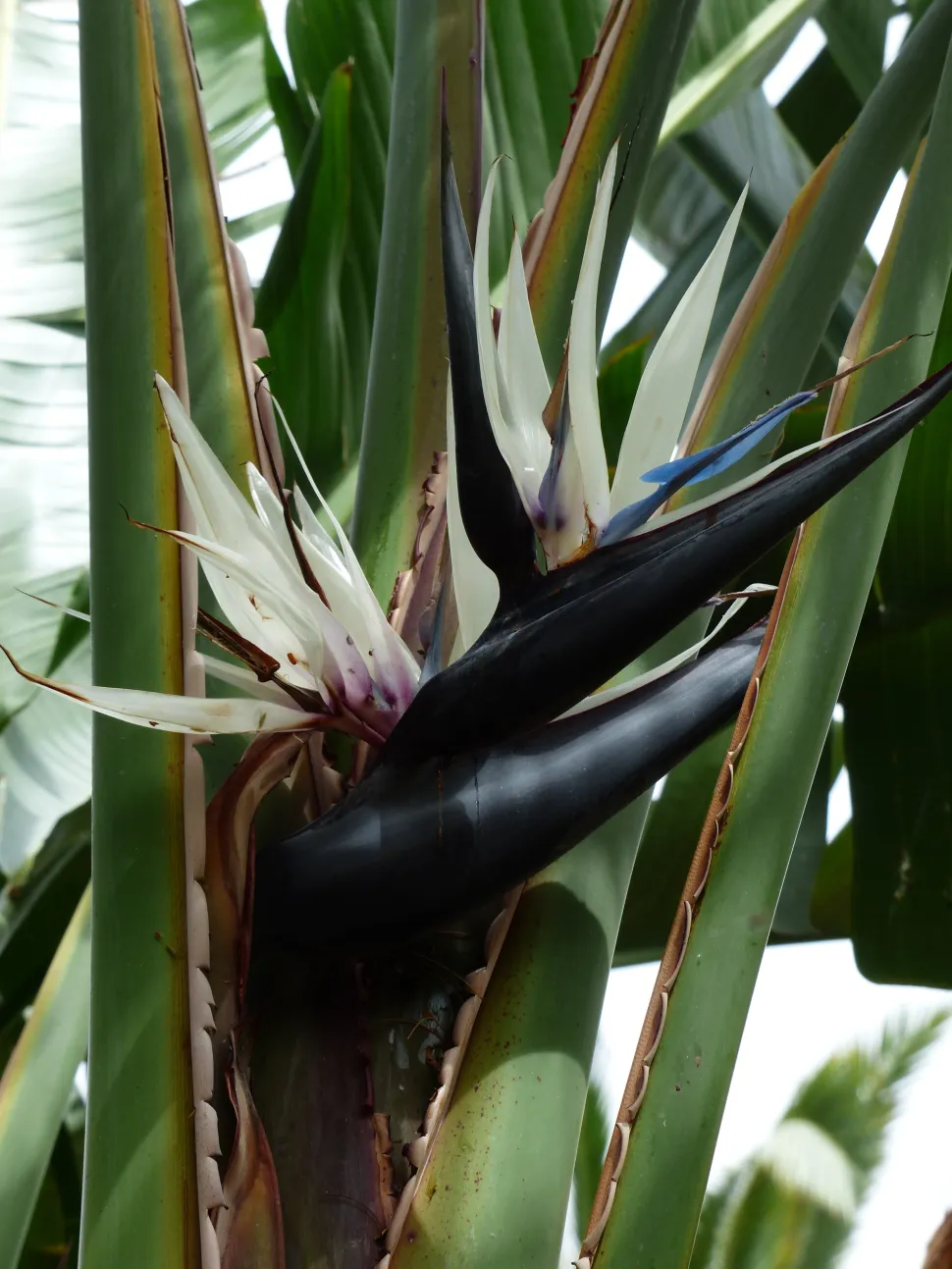
Credit: www.monstera-app.com
Germination And Growth Care
Keep the soil evenly moistto help seeds sprout. Check daily but avoid overwatering. Seeds can rot if water stands too long. Use a spray bottle for gentle watering. Cover the pot with plastic wrap to hold humidity. Remove the cover once sprouts appear to prevent mold.
Seedlings are delicate. Provide bright, indirect light to help growth. Avoid direct sun that can burn young leaves. Thin seedlings by gently removing weaker ones. This gives space for strong plants to grow. Transplant seedlings into larger pots once they have a few leaves. Handle roots carefully to avoid damage.
Transplanting Seedlings
Seedlings should be transplanted once they have 2 to 3 true leaves. This usually happens about 8 to 12 weeksafter germination. The soil should be warm and moist to help the young plants adjust. Avoid transplanting during very hot or cold days to prevent stress.
- Choose a pot or garden spot with well-draining soil.
- Water seedlings a few hours before transplanting.
- Gently remove seedlings from their containers to keep roots intact.
- Plant seedlings at the same depth as before.
- Firm the soil around the base to remove air pockets.
- Water the plants thoroughly after transplanting.
- Place seedlings in a spot with partial sunlightinitially.
- Gradually move them to full sun over a week or two.
Common Challenges
Pestslike spider mites and aphids can harm Bird of Paradise plants. Check leaves often for tiny bugs or webs. Use insecticidal soap or neem oil to keep pests away.
Diseasessuch as root rot happen if soil stays too wet. Make sure the soil drains well. Avoid overwatering to stop fungi growth.
Bird of Paradise seeds have slow germination. It may take 1 to 3 months to sprout. Soaking seeds in warm water for 24 hours can help speed up the process.
Keep the soil warm and moist, but not soggy. Patience is key. Lightly cover seeds and wait for sprouts to appear.
Enhancing Growth
Use a balanced fertilizer with equal parts nitrogen, phosphorus, and potassium. Fertilize every 4 to 6 weeks during the growing season. Avoid over-fertilizing to prevent root damage. Water the plant well after fertilizing to help nutrient absorption.
Remove dead or damaged leaves to keep the plant healthy. Prune spent flowers to encourage new blooms. Use clean, sharp tools to avoid infections. Pruning helps the plant focus energy on new growth and vibrant flowers.
Frequently Asked Questions
How Long Does It Take For Bird Of Paradise Seeds To Sprout?
Bird of Paradise seeds usually sprout in 1 to 3 months with warm soil and proper care.
What Is The Best Soil For Planting Bird Of Paradise Seeds?
Use well-draining, rich soil mixed with sand or perlite to help seeds grow strong roots.
How Often Should Bird Of Paradise Seeds Be Watered?
Water seeds lightly every few days, keeping soil moist but not soaked to avoid rotting.
Conclusion
Planting Bird of Paradise seeds takes patience and care. Keep the soil moist but not wet. Provide warmth and sunlight for best growth. Watch the seeds sprout slowly over weeks. Enjoy the bright, tropical flowers as they bloom. Growing from seeds can be rewarding and fun.
Take time and follow the steps carefully. Soon, your garden will have stunning Bird of Paradise plants.