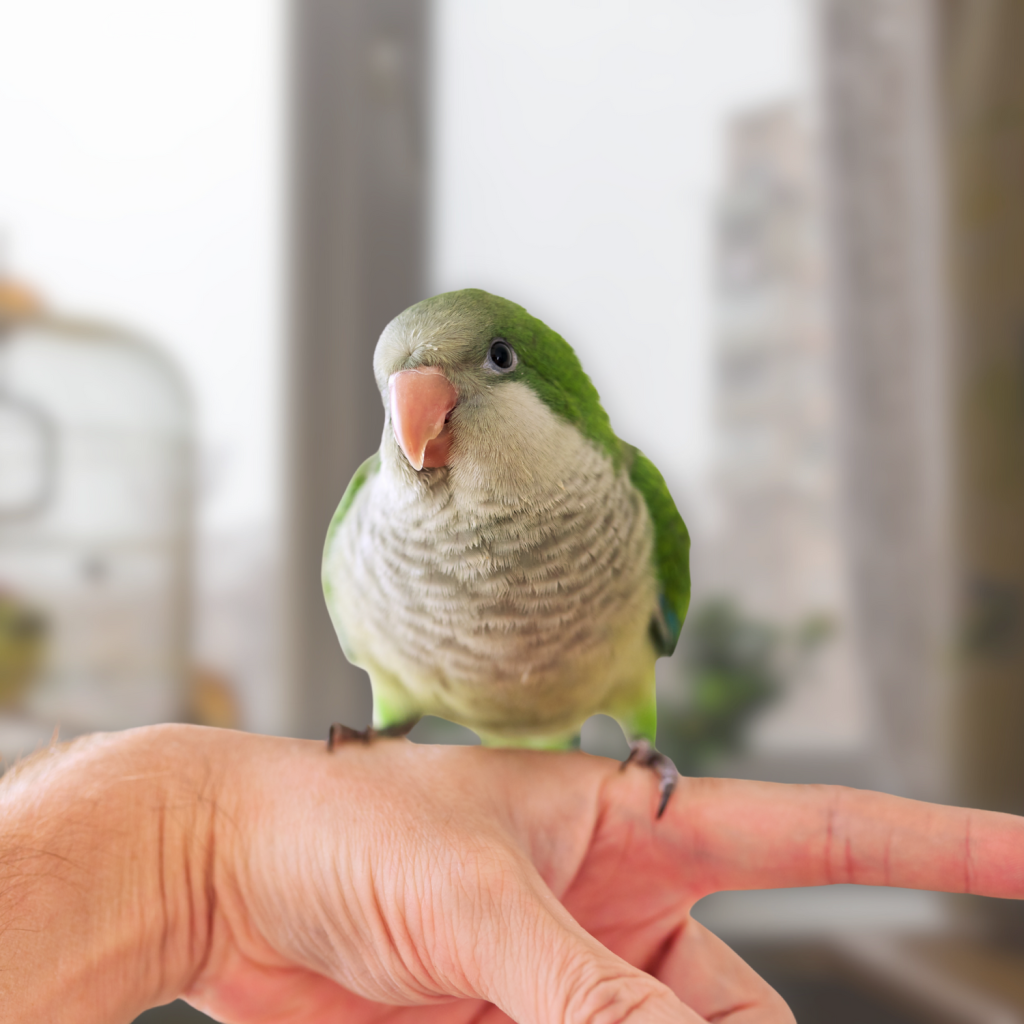
Training a bird can be an exciting and rewarding experience, but it can also feel overwhelming if you don’t know where to start. Imagine your feathered friend responding to your commands, enjoying tricks, and building a stronger bond with you every day.
You might wonder how to make that happen. The truth is, with the right approach and a little patience, you can teach your bird to listen, learn, and even have fun along the way. In this guide, you’ll discover simple, effective steps to train your bird and unlock its full potential.
Ready to see your bird shine? Let’s dive in.
Choosing The Right Bird
Choosing a bird that matches your lifestyle helps make training easier and more enjoyable. Some birds learn commands faster and enjoy interaction more than others. Understanding different species’ needs ensures a better training experience.
Popular Pet Bird Species
- Budgerigars:Small, friendly, easy to train.
- Canaries:Great singers, less interactive.
- Lovebirds:Social, need attention daily.
- Parrots:Intelligent, require more care.
Assessing Bird Temperament
Birds have different personalities. Some are calm and gentle. Others can be shy or noisy. Choose a bird that fits your lifestyle. Friendly birds are easier to train. Watch how the bird reacts to people. A calm bird will learn commands better.
Age And Training Potential
Young birds learn faster than older ones. They adapt well to new routines. Adult birds can learn but need more patience. Training should be short and fun. Consistency helps birds remember tricks and commands.

Credit: www.youtube.com
Setting Up A Training Space
Creating a safe environmentmeans removing harmful items. Keep sharp objects, toxic plants, and open windows away. Use a quiet room with good light and fresh air.
Minimizing distractions helps birds focus better. Turn off loud TVs and radios. Close doors to block outside noise. Keep other pets in another room during training.
| Essential Training Tools | Purpose |
|---|---|
| Treats | Reward good behavior and encourage learning |
| Clicker | Mark correct actions with a sound |
| Perch | Give a comfortable spot for training |
| Toys | Keep the bird interested and engaged |
Basic Training Techniques
Training a bird takes patience and consistency. Use simple commands and reward good behavior with treats. Keep sessions short to hold your bird’s attention.
Using Positive Reinforcement
Positive reinforcement makes birds learn quickly. Offer treats when they do well. Praise them with kind words. Use a calm voice. Make training fun and exciting. Birds like treats and praise. They will repeat good actions for rewards.
Step-by-step Command Training
Teach commands one at a time. Begin with easy ones like “step up.” Use treats to encourage them. Repeat the command gently. Show them what to do with your hand. Practice daily and be patient. Birds need time to learn.
Timing And Consistency
Train at the same time each day. Birds like routines. Keep training sessions short. Five to ten minutes is enough. Use the same words for each command. This helps them understand better. Consistency builds trust and understanding.

Credit: www.youtube.com
Advanced Bird Training
Teaching tricks needs patience and clear signals. Use small rewards like seeds or praise. Start with easy tricks such as “step up” or “turn around.” Repeat training sessions for short times daily. Keep the mood fun and calm. Birds learn best with kindness and consistency.
Behavioral issues can be handled with gentle correction. Avoid shouting or punishment. Observe what causes bad behavior. Redirect your bird’s attention with toys or treats. Provide enough exercise to reduce stress and boredom. Consistency helps your bird understand rules clearly.
Socializing your bird is key for a happy pet. Introduce new people slowly and calmly. Let the bird explore new spaces safely. Spend time talking and playing with your bird every day. Birds that feel safe become friendlier and less scared.
Maintaining Training Results
Regular practice helps keep your bird’s skills sharp. Short daily sessions work best. Consistency builds habits and trust.
Use treats and praise as rewards. This keeps your bird eager and happy to learn. Change rewards sometimes to keep interest high.
| What to Watch | Why It Matters | How to Adjust |
|---|---|---|
| Bird’s Attention | Shows if the training is fun | Try new games or shorter sessions |
| Response Time | Fast responses mean learning | Repeat steps or add rewards |
| Behavior Changes | Good or bad habits appear | Reinforce good, avoid bad habits |
Common Challenges And Solutions
Birds may feel fear and anxietyin new places or with new people. Spend time near your bird quietly. Speak softly and move slowly. Offer treats to create trust. Let the bird come to you, not the other way.
Biting or aggressionoften means the bird is scared or upset. Avoid sudden moves or loud noises. Watch for signs like fluffed feathers or growling sounds. Use gentle hands and calm voice. Reward good behavior with small treats.
| Situation | Signs | Action |
|---|---|---|
| Bird not eating or moving | Lethargy, no interest in food | Contact a vet quickly |
| Constant biting or aggression | Repeated attacks, no calm moments | Seek advice from bird trainer |
| Bird shows strange behavior | Unusual noises or movements | Ask an expert for help |

Credit: birdsupplies.com
Frequently Asked Questions
How Long Does It Take To Train A Bird?
Training a bird usually takes a few weeks to months, depending on the bird’s type and age.
What Are The Best Techniques To Train Pet Birds?
Use patience, positive rewards, gentle voice, and short sessions to teach birds new behaviors.
Can All Bird Species Be Trained Effectively?
Most birds can learn simple commands, but some species are easier to train than others.
Conclusion
Training a bird takes time, patience, and care. Start small, use treats, and stay consistent. Talk softly and give your bird breaks. Celebrate small wins to keep motivation high. Birds learn best in a calm, safe space. Enjoy the process and build trust daily.
Training strengthens your bond and makes life easier. Keep routines simple and fun to avoid stress. Remember, every bird is unique and learns differently. Stay patient and watch your feathered friend grow.