
Are you tired of finding moths invading your bird seed and ruining your efforts to feed the birds? Those tiny pests can quickly turn your carefully stored seeds into a messy, unusable pile.
But don’t worry—getting rid of moths from your bird seed is easier than you might think. You’ll discover simple, effective methods to protect your bird seed and keep those pesky moths away for good. Keep reading to learn how to save your bird seed and enjoy feeding your feathered friends without the hassle.
Causes Of Moth Infestation In Bird Seed
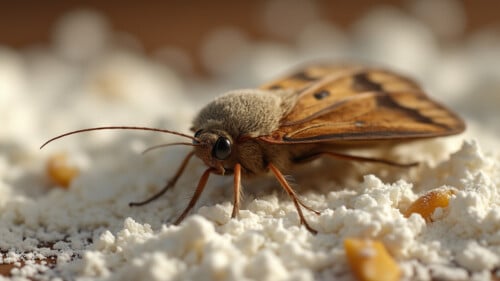
Mothsoften infest bird seed due to certain conditions. Common species include the Indian Meal Moth and the Mediterranean Flour Moth. These moths lay eggs in stored seeds, causing damage.
Warmth and moisture attract moths. Seed stored in damp or warm places can get infested quickly. Seeds left uncovered or in open containers are easy targets.
| Common Moth Species | Description |
|---|---|
| Indian Meal Moth | Small moth with coppery wings; lays eggs in grains and seeds. |
| Mediterranean Flour Moth | Gray moth; larvae feed on stored seeds and grains. |
- Warm temperatureshelp moths grow and multiply.
- High humiditycreates a perfect environment for larvae.
- Unsealed containersallow moths to enter and lay eggs.
- Old or stale seedattracts moths more than fresh seed.

Credit: www.amazon.com
Signs Of Moths In Bird Seed
Moth larvaein bird seed look like tiny, white worms. They often hide inside seed clumps. Eggs are very small, round, and white or cream-colored. They stick to seed surfaces or container walls. Larvae move slowly and may leave silk webbing.
Adult mothsare small and usually brown or gray. They fly near seed containers or feeders. Moths have thin, feathery antennae and wings that fold flat over their bodies. Spotting them flying around seed is a clear sign of infestation.
Prevention Strategies
Store bird seed in airtight containers to block moths from entering. Keep feeding areas clean and dry to stop moths from laying eggs. Regularly check and replace old seed to prevent infestations.
Proper Storage Techniques
Store bird seed in cool, dry places. Heat attracts moths. Moisture causes mold. Keep seed away from sunlight. Sunlight warms the seed. Moths like warm places. Use shelves for storage. Elevatethe seed from the floor. Moths crawl on floors.
Using Airtight Containers
Use airtight containersfor bird seed. These keep moths out. Moths can’t smell the seed. Plastic and glass containers work best. Check the lid often. Ensure it’s secure. Moths slip through gaps.
Regular Cleaning Practices
Clean storage areas regularly. Remove spilled seed. Vacuum crumbs and dust. Moths hide in dirt. Wash containers often. Use soap and water. Dry them completely. Moisture invites moths. Keep the area tidy. Moths dislike clean places.

Credit: www.facebook.com
Natural Remedies To Eliminate Moths
Herbs and essential oilswork well to keep moths away from bird seed. Placing dried lavender, rosemary, or thymenear seed containers helps repel moths. These herbs have a strong smell moths dislike. Using essential oils like eucalyptus, cedarwood, or pepperminton cotton balls around seed storage areas creates a natural barrier. The oils need to be refreshed often for best results.
Homemade traps and baits also help catch moths before they spread. A simple trap uses a jar with apple cider vinegar and a drop of dish soap. The vinegar attracts moths, and the soap breaks the surface tension, trapping them inside. Another bait involves mixing sugar, water, and yeastto lure moths. Placing these traps near seed storage keeps moth numbers low.
Chemical Solutions And When To Use Them
Safe insecticidesfor bird seed include those labeled for use around birds. Products containing pyrethrinare often effective. These are natural and break down quickly in the environment.
Always choose insecticides that do not harm birds or pets. Read labels carefully. Avoid strong chemicals like organophosphates or carbamates near bird feed.
| Insecticide Type | Use | Safety Notes |
|---|---|---|
| Pyrethrin-based | Controls moth larvae | Safe if used as directed, avoid direct contact with birds |
| Neem oil | Natural moth repellent | Non-toxic to birds, use sparingly |
| Insecticidal soap | Effective on young moths | Safe for birds, reapply as needed |
- Wear gloves and a mask when applying chemicals.
- Keep bird seed containers closed tightly.
- Do not spray directly on seeds where birds feed.
- Apply treatments outdoors or in well-ventilated areas.
- Store chemicals away from children and pets.
Credit: www.planetnatural.com
Maintaining Moth-free Bird Seed Long-term
Regular inspectionshelp spot moths early in bird seed. Check seed containers every week for holes or webbing. Look inside for tiny larvae or moths. Keep seeds in sealed, airtight containers to block moths from entering. Clean storage areas to remove any spilled seed that attracts moths.
Rotating seed supplies prevents moths from settling in. Use older seed first to avoid long storage times. Buy small amounts that birds finish quickly. This limits moths’ chance to grow and breed. Store new seed separately and check it before adding to old seed.
Frequently Asked Questions
How Do Moths Get Into Bird Seed Containers?
Moths lay eggs on bird seed when it is stored in warm, dark, and damp places.
What Is The Best Way To Stop Moths In Bird Seed?
Store bird seed in airtight containers and keep them in cool, dry areas.
Can Natural Repellents Keep Moths Away From Bird Seed?
Yes, bay leaves or cloves placed inside containers can help repel moths safely.
Conclusion
Moths in bird seed can cause big problems fast. Keep your seed dry and store it in tight containers. Clean the feeding area often to stop moths from coming back. Using natural moth repellents can help protect your seed. Regular checks catch moths early before they spread.
These small steps save your seed and keep birds happy. Stay patient and consistent to keep moths away for good. Simple care makes a big difference in bird seed quality.