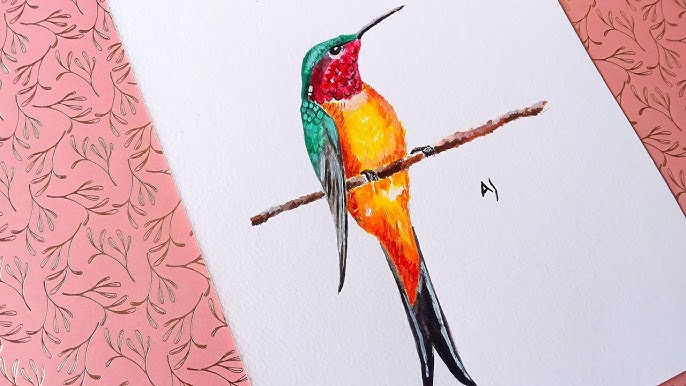
Have you ever wanted to bring the magic of a hummingbird to life with your own colors? Coloring a hummingbird can be a fun and relaxing way to connect with nature’s beauty.
But where do you start? How do you choose the right colors to make your hummingbird look vibrant and real? In this guide, you’ll discover simple tips and tricks that will help you transform a plain outline into a stunning, colorful masterpiece.
Keep reading, and you’ll unlock the secrets to making your hummingbird truly shine.
Choosing The Right Materials
Choosing the right paintsis key for a bright hummingbird. Use acrylic paintsfor vivid colors and quick drying. Watercolors give a soft, gentle look but need careful layering.
Oil paints add depth and shine but dry slowly. Colored pencils work well for fine details and feather textures. Mixing mediums can help create unique effects.
| Paint/Medium | Best For | Drying Time |
|---|---|---|
| Acrylic | Bright colors, quick layering | Fast |
| Watercolor | Soft colors, subtle shading | Medium |
| Oil | Rich tones, shiny finish | Slow |
| Colored Pencils | Fine details, textures | Instant |
- Small round brushesfor detailed feathers.
- Flat brushesfor background and broad strokes.
- Fine liner brushesfor outlines and tiny lines.
- Palette knifefor mixing or textured effects.
- Water containerto clean brushes.
- Paper towelsfor blotting and corrections.

Credit: www.youtube.com
Selecting A Color Palette
Hummingbirds show bright colorslike green, red, and blue. These colors help them blend with flowers and leaves. Their feathers often shine, creating a glowing effect. Using these natural colors makes your hummingbird look realisticand alive.
Try creative color variations to make your hummingbird unique. Use soft pastelsor bold shadeslike purple or orange. Mixing colors adds interestand fun. Bright and shiny colors can show the bird’s energy and beauty.
Preparing Your Workspace
Clear your table and gather all coloring tools before starting. Good lighting helps see colors better and keeps eyes comfortable. Organize your workspace to avoid distractions and enjoy coloring your hummingbird.
Setting Up Lighting
Bright lighting helps you see colors clearly. Place a lamp on your desk. Use a lamp with adjustable brightness. Avoid shadows where you work. Natural light is great. Position near a window if possible. Ensure light is not too harsh.
Organizing Supplies
Gather all your coloring supplies together. Use a box or tray for easy access. Arrange pencils, markers, and brushes neatly. Keep paper and coloring books close. Have a sharpener handy. Use a small cup for water if you paint. Organize by color for quicker choices.

Credit: www.youtube.com
Sketching The Hummingbird
Start with basic shapesto form the hummingbird’s body. Use an oval for the body and a small circle for the head. Draw a thin, curved line for the beak. Mark the wing shapes with long ovals or teardrop shapes. Keep the proportions in mind; the wings are usually larger compared to the body. This helps capture the bird’s delicate look.
Once the basic shapes are set, begin adding fine details. Sketch the feathers with short, light strokes. Draw the eye as a small, dark circle. Use gentle lines to show texture on the wings and tail. Pay attention to the tiny details like the claws and the curve of the beak. These small touches make the sketch more lifelike and ready for coloring.
Applying Base Colors
Start by choosing a light color as the base. This helps to build the hummingbird’s shape. Use soft strokes to cover the whole area evenly. Let the paint dry before adding more layers.
Layering colors slowly builds depthand texture. Use thin layers and wait between each. This keeps colors bright and stops them from mixing too much. Blend the edges gently to avoid harsh lines.
- Use bright colors for the feathers to keep them vivid.
- Avoid too much water; it makes colors dull.
- Apply light coats to keep the colors fresh.
- Protect your work with a clear, thin sealant if needed.

Credit: www.facebook.com
Adding Depth And Texture
Shadinghelps create depthand realismin the hummingbird’s feathers. Use lighter colorson areas that catch light and darker shadesin shadowed parts. Blend colors softly for a smooth look. Avoid harsh lines to keep feathers natural.
- Start shading from the base of feathersto the tip.
- Use small, gentle strokes to mimic feather texture.
- Layer colors gradually for a soft gradient effect.
Feather detailing adds textureand lifeto the hummingbird. Draw fine lines to show the feather patterns. Use a sharp pencil or fine brush for best results. Pay attention to the direction each feather points. This makes the bird look more realisticand three-dimensional.
Highlighting And Accents
Bring your hummingbird to life by adding vibrant highlights and accents. Choose bright colors like emerald green or sapphire blue for the feathers. Consider using softer shades for a realistic touch on the wings and body.
Creating Iridescence
Use light, thin layersof paint to mimic iridescence. Blend colors like green, blue, and purple softly. This creates a shiny, glowing effect. Add a small amount of white or silver to highlight spots. Let each layer dry before adding the next. This builds a natural shimmerthat changes with light.
Enhancing The Eyes And Beak
Paint the eyes with a tiny dot of whitefor a sparkle. Use black or dark brown for the main eye color. For the beak, apply dark shadeslike black or dark grey. Add a small highlight with white or light grey to show shine. This makes the eyes and beak look real and lively.
Final Touches And Finishing
Carefully blend colors to create smooth transitions and realistic shading. Use fine lines to highlight feathers and add subtle details for depth. Finish with a light touch to enhance the hummingbird’s vibrant look.
Blending And Smoothing
Use a soft brush or blending tool to gently smooth colors. This helps to create soft transitions between shades. Avoid harsh lines unless they are part of the design. Work in small circles for even blending. Layer light colors over dark ones to add depth. Keep the pressure light to avoid damaging the paper. Check the edges to make sure they are smooth and natural. Blending brings your hummingbird to life by making colors look real.
Protecting Your Artwork
- Spray a fixative to keep colors from smudging.
- Use a clear varnish for extra protection and shine.
- Store in a dry place away from direct sunlight.
- Frame your artwork with glass to prevent dust and damage.
- Handle with clean hands to avoid smudges and dirt.
Frequently Asked Questions
How Do I Choose Colors For A Hummingbird Drawing?
Pick bright colors like green, blue, and red to match a real hummingbird’s look.
What Tools Work Best For Coloring Hummingbirds?
Use colored pencils or markers for smooth, detailed coloring on paper.
How Can I Add Shine To My Hummingbird Colors?
Add white highlights lightly to show light reflecting on the feathers.
Conclusion
Coloring a hummingbird can be fun and relaxing. Use bright colors to show its beauty. Take your time with details like feathers and wings. Practice helps you get better each time. Enjoy the process and be creative. Your hummingbird will look lively and full of life.
Keep trying new styles and shades. Soon, coloring hummingbirds will feel easy and fun.