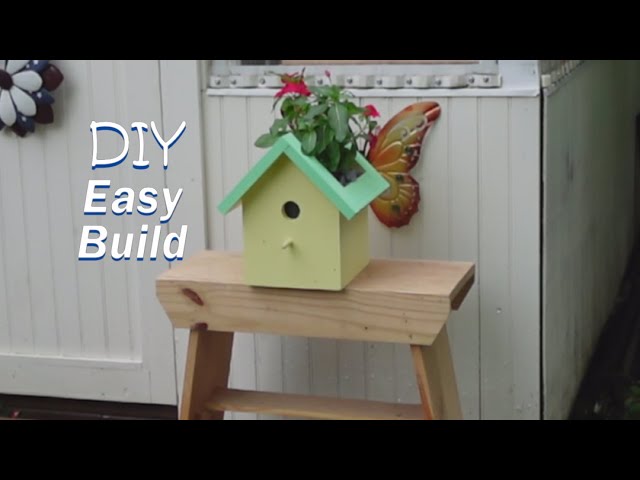
Are you ready to create a cozy home for your feathered friends? Building a birdhouse is easier than you think, and it’s a rewarding project you can enjoy right now.
Imagine watching colorful birds visit your garden, chirping happily inside a shelter you made with your own hands. In this guide, you’ll discover simple steps to build a sturdy, safe birdhouse that attracts birds and adds charm to your outdoor space.
Let’s get started and make a difference for the birds in your neighborhood!
Choosing The Right Birdhouse
Choose woodlike cedar or pine for building birdhouses. They last long and keep birds safe. Avoid metal or plastic as they get too hot or cold.
Pick a spot that is quietand safe. Place the birdhouse away from busy areas and predators. It should get some sunlight but not too much.
| Bird Species | Hole Size (inches) | House Height (feet) |
|---|---|---|
| Bluebirds | 1.5 | 4-6 |
| Chickadees | 1.125 | 5-10 |
| Nuthatches | 1.25 | 5-10 |
Each bird needs a different house size. Match the birdhouse to the bird species in your area. This helps birds feel safe and welcome.

Credit: www.amazon.com
Essential Tools And Supplies
Basic tools are essentialfor building a birdhouse. You need a sawto cut wood pieces to size. A hammerhelps to nail parts together. Use a measuring tapeto get exact lengths. A drillmakes holes for screws or ventilation. Sandpaper smooths rough edges to keep birds safe.
| Recommended Materials | Description |
|---|---|
| Wood | Use untreated, weather-resistant wood like cedar or pine. |
| Nails or Screws | Choose rust-proof nails or screws for durability. |
| Wood Glue | Helps strengthen joints along with nails or screws. |
| Paint or Sealant | Use non-toxic paint or sealant to protect the birdhouse. |
- Safety gogglesprotect your eyes from dust and wood chips.
- Work gloveskeep your hands safe from splinters and nails.
- Dust maskprevents inhaling sawdust during sanding or cutting.
- Always work in a well-ventilated areafor safety.
Cutting And Preparing Wood
Choose smooth, untreated wood for easy cutting and safe birdhouses. Measure and mark pieces carefully to ensure precise fits. Use sharp tools to create clean edges and avoid splinters.
Measuring And Marking
Begin with a tape measureto get the right size. Use a pencilto mark the spots. Double-check the marks to avoid mistakes.
Cutting Techniques
Use a sawfor clean cuts. Power sawsare fast but be careful. Hand saws are slower but safer. Always cut on the marked lines.
Sanding And Smoothing
Sandpaperhelps make edges smooth. Rub the paper back and forth on the wood. Make sure there are no sharp edges left. Smooth wood looks nice and is safe.
Assembling The Birdhouse
Start by cutting four wooden panels for the walls. Use nails or screws to join them firmly. Make sure the corners line up well. The walls must be stable and fit tightly together. Sand edges to avoid sharp spots. This helps keep birds safe.
Next, prepare the roof pieces. They can be flat or sloped. Attach the roof to the top of the walls. Use hinges if you want it to open for cleaning. Check that it covers all sides to keep rain out.
- Mark the spot for the entry hole on the front wall.
- Use a drill or saw to cut a round hole.
- Size the hole to fit the bird species you want.
- Smooth the edges to protect the birds’ feathers.
Finishing Touches
Use non-toxic paintto protect the birdhouse from weather. Choose light colors to keep it cool inside. Apply a clear sealantfor extra protection against rain and sun.
Ventilation holes are important. Drill small holes near the top on two opposite sides. This lets fresh air in and keeps the inside dry.
Mounting hardware should be strong and safe. Use screws or brackets to fix the birdhouse to a pole or tree. Make sure it is stable and won’t fall in wind.

Credit: www.youtube.com
Placing And Maintaining
Place birdhouses in quiet areas away from strong winds and direct sun. Mount them 5 to 10 feet above the ground for safety. Trees or posts work well for support. Face the entrance away from prevailing winds to keep birds dry.
Clean birdhouses at least once a year. Remove old nests and debris to prevent diseases. Use warm water and a mild soap solution. Let the house dry fully before placing it back.
Watch birds visiting the house often. Look for signs of nesting or damage. Check for predators like cats or squirrels nearby. Keep the area clear of tall grass to reduce hidden threats.

Credit: www.amazon.com
Frequently Asked Questions
What Materials Do I Need To Build A Birdhouse?
Wood, nails, screws, a saw, sandpaper, paint, and a drill are essential materials.
How Do I Choose The Right Birdhouse Size?
Select a size based on the bird species you want to attract and their nesting needs.
Where Is The Best Place To Install A Birdhouse?
Mount it 5-10 feet high on a tree or pole, away from predators and strong winds.
Conclusion
Building a birdhouse brings joy and helps birds find shelter. Choose safe materials and follow simple steps carefully. Place the birdhouse where birds can stay safe from predators. Watch as birds explore and make it their home. This small project connects you with nature every day.
Enjoy the process and the peaceful sounds of birds. Birdhouses add beauty and life to your garden. Start building today and welcome new feathered friends!