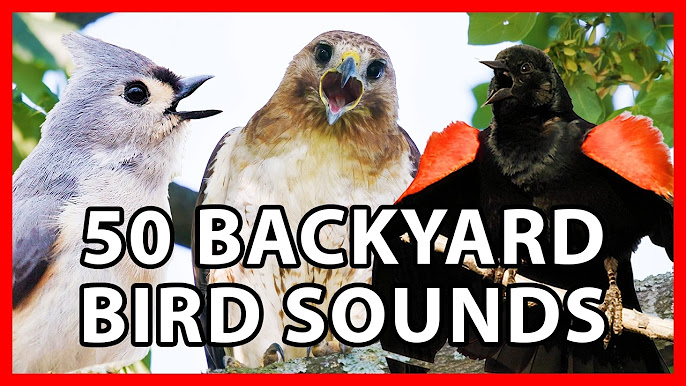
Have you ever paused during a walk and wondered what bird is singing nearby? Learning bird calls can turn ordinary moments into exciting discoveries.
Imagine recognizing the cheerful chirp of a robin or the haunting whistle of an owl just by listening. It’s easier than you think, and it can make your time outdoors more enjoyable and meaningful. You’ll find simple, effective ways to train your ears and start identifying birds by their calls.
Keep reading, and soon you’ll unlock the secret language of birds all around you.

Credit: apps.apple.com
Why Learn Bird Calls
Recognizing bird calls helps you connect deeply with nature. Birds speak in many ways. Each sound tells a story.
It makes birdwatching more fun. You can find birds hidden in trees. Knowing their sounds helps you spot them quickly.
- Enjoy peaceful momentsby listening to birds sing.
- Learn about different bird speciesby their unique calls.
- Feel closer to the environmentaround you.
- Sharpen your listening skillsand attention to detail.
Basic Bird Call Types
Songsare longer and more complex sounds made by birds. They often help birds attract mates or defend their area. Callsare shorter and simpler sounds. Birds use them to warn others, find family members, or signal danger.
- Chirps:Short, sharp sounds used for communication.
- Trills:Rapid series of notes, often cheerful.
- Whistles:Clear and high-pitched, easy to hear.
- Squawks:Loud and harsh, used for alarm.
Birdsongs can change depending on the place. Birds in different regions may sing the same song but with small changes. These regional variationshelp birds recognize neighbors from their area.
Tools For Learning Bird Calls
Apps and audio guides help recognize bird calls by playing clear examples. Carrying a portable recorder lets you capture sounds for practice anytime. Using binoculars alongside sound tools improves bird identification in nature.
Bird Call Apps And Websites
Many apps offer bird call recordings. They are easy to use. Websites also provide bird sound libraries. Users can hear different bird songs. These tools help in learning bird calls. They are accessible on phones or computers.
Audio Recordings And Field Guides
Audio recordings capture real bird sounds. Field guides have pictures and descriptions. They show where birds live. Combine recordings with guides to learn better. Guides help identify birds by sight and sound.
Using Binoculars And Notebooks
Binoculars help see birds up close. They show bird colors and movements. Notebooks are good for writing what you see. They help remember bird details. Use both tools together for better learning. Watching and writing help in understanding bird behavior.

Credit: outschool.com
Effective Listening Techniques
Focused listeninghelps train your ears to bird sounds. Find a quiet place with many birds. Sit still and listen closely to each call. Try to notice small differences in pitch and rhythm.
Identifying patterns and repetitionis key. Many birds repeat their calls in a pattern. Listen carefully and try to remember the sequence. This makes it easier to recognize the bird later.
Distinguishing similar callstakes practice. Some birds sound alike but have small changes in tone or length. Listen for these small differences. Use recordings to compare and improve your skill.
- Listen in short bursts to avoid fatigue.
- Use apps or recordings to practice daily.
- Write down or hum the calls to help memory.
Memory Aids And Practice Tips
Creating sound associationshelps remember bird calls better. Link a bird’s call to a familiar sound, like a whistle or a musical note. This makes it easier to recall the call later. Use simple words or images in your mind to match the sound.
Repetition is key. Listen to the same call many times. Use spaced practice, which means studying the calls over several days. This helps your brain keep the sounds for a long time.
Recording bird calls lets you hear them anytime. Compare your recordings with real bird calls. This practice helps you spot differences and improve your listening skills.
Applying Skills In The Field
Choose places where birds are active and diverse. Parks, forests, and wetlands are ideal spots. Early mornings or late afternoons are best for bird calls. Birds sing more during these times.
Spend quiet time listening. Patience helps you hear more calls clearly. Watch birds closely to connect sounds with species. Stay still and avoid sudden moves. This helps birds feel safe and sing naturally.
Common Challenges And Solutions
Background noisemakes it hard to hear bird calls clearly. Try listening in quiet placeslike early mornings or parks away from roads. Use headphonesto block out noise and focus on sounds.
Birds that sound alike can confuse learners. Focus on small differenceslike pitch, length, and pattern. Use apps or books with audio examplesto compare calls side by side.
Staying interested is tough. Set small goalslike learning one bird call a week. Join groups or clubs for fun practiceand sharing. Celebrate every success to keep going.

Credit: www.youtube.com
Frequently Asked Questions
How Can Beginners Identify Common Bird Calls Easily?
Start by listening to simple, clear bird sounds daily. Use apps or recordings to match and repeat calls.
What Tools Help In Learning And Recognizing Bird Calls?
Use bird call apps, audio guides, and field notebooks for practice and note-taking during birdwatching.
How Long Does It Take To Learn Bird Calls Effectively?
With daily practice, expect basic recognition in a few weeks and better skills over months. Patience helps.
Conclusion
Learning bird calls takes time and patience. Start by listening to common sounds in your area. Practice regularly to recognize different calls easily. Use apps or recordings to help you remember. Try to match the calls you hear in nature.
This skill makes birdwatching more fun and rewarding. Keep exploring and enjoy the sounds around you. Every day brings new chances to learn more. Stay curious and keep your ears open. Bird calls tell stories—listen closely and enjoy the experience.