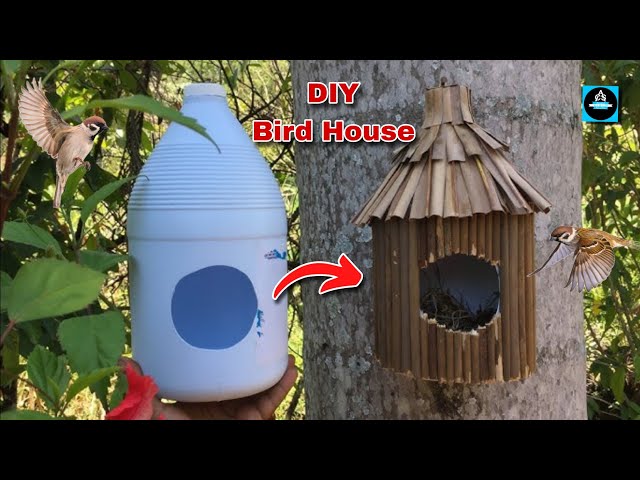
Have you ever wanted to bring more life and color to your garden? Building a birdhouse is a simple and rewarding way to invite beautiful birds right to your backyard.
Imagine watching your feathered friends nest, sing, and flutter around a cozy home you made with your own hands. In this guide, you’ll discover easy steps to create the perfect birdhouse, even if you’ve never built anything before. Ready to start crafting a safe and welcoming space for birds?
Let’s dive in and make your garden a bird’s paradise.
Choosing The Right Birdhouse Design
Choosing the right birdhouse designhelps attract the right birds. Different birds like different types of houses. Some prefer small boxes, others like open-fronted shelters.
- Types of Birdhouses:box-shaped, open-front, gourds, and platform styles.
- Selecting Materials:wood is best, avoid metal or plastic. Use untreated wood for safety.
- Considering Bird Species:check the size and entrance hole. Small birds need smaller holes to keep predators out.
Proper design and material help keep birds safe and comfortable. Knowing which birds visit your area guides your choices well.

Credit: www.facebook.com
Essential Tools And Supplies
Basic tools needed include a hammer, saw, tape measure, and screwdriver. A drill with bits helps make clean holes. Sandpaper smooths rough edges. A pencil marks measurements clearly. Clamps hold wood pieces steady while working.
Recommended materials are untreated wood, like cedar or pine. These woods are safe for birds. Use exterior wood screws to hold parts firmly. Waterproof wood glue adds extra strength. Paint or stain should be non-toxic and safe for wildlife.
Safety gear protects during building. Wear safety glasses to guard eyes from dust. Gloves keep hands safe from splinters. A dust mask stops inhaling sawdust. Use ear protection if power tools are loud.
Step-by-step Building Process
Gather basic materials like wood, nails, and paint before beginning. Cut and assemble the pieces carefully to create the birdhouse structure. Finish by sanding edges and adding a protective coat for durability.
Measuring And Cutting Wood
Measure the wood carefully. Use a ruler or measuring tape. Mark the spots with a pencil. Cutting wood needs care and focus. Use a saw to cut pieces. Make sure edges are smooth. Smooth edges help in fitting later.
Assembling The Pieces
Join the wood pieces together. Use nails or screws. Use a screwdriver or hammer. Check if pieces fit well. Tighten the screws securely. The birdhouse should look neat. Ensure all parts are firm.
Adding Ventilation And Drainage
Drill small holes in the wood. These holes allow air inside. They also help rainwater escape. Place holes on the bottom and sides. Ensure holes are not too big. Ventilation keeps birds happy. Drainage stops water from collecting.

Credit: www.tiktok.com
Finishing Touches
Start by sandingall surfaces with fine-grit sandpaper. This makes the wood smooth and safe for birds. Remove dust with a cloth before painting. Use non-toxic, water-based paintto protect the birdhouse from weather. Choose light colors to keep the house cool inside.
The roof should be securely attachedto keep rain out. Use nails or screws and check that it fits well. You can add a small overhang to give more shelter.
- Add perchesnear the entrance for birds to land easily.
- Use small sticks or dowels for perches, but avoid sharp edges.
- Decorate with natural items like small pine cones or bark pieces.
- Avoid bright or shiny decorations that might scare birds.
Best Placement For Birdhouses
Choosing a good spot for a birdhouse is very important. Pick a place that is quiet and safe. The birdhouse should be away from busy areas and loud noise. Place it where birds can easily find food and water nearby. Avoid spots too close to tall trees where predators can hide.
Mounting options include poles, trees, or walls. Poles are best because they keep the birdhouse stable and safe. Use a metal pole to stop animals from climbing up. If you use a tree, pick a strong branch and make sure the house is secure. Avoid using nails that can hurt the tree.
Protecting birdhouses from predators is key. Use predator guards around poles or trees. These guards stop raccoons, cats, and snakes from reaching the nest. Keep the entrance hole small to allow only small birds inside. Place the birdhouse at least 5 feet above the ground to keep it safe.
Maintenance Tips
Cleaning the birdhousehelps keep birds healthy. Remove old nests and dirt after the breeding season. Use mild soap and water to wash the inside. Rinse well and let it dry completely before reuse. Avoid harsh chemicals that may harm birds.
Seasonal careprotects the birdhouse from weather damage. Check for cracks or loose parts in spring and fall. Repair any damage to keep the house safe and dry. Paint or seal the outside only if needed and with bird-safe materials.
Monitoring bird activityhelps to know if birds use the house. Watch quietly from a distance without disturbing them. Note the type of birds and how often they visit. This helps decide if changes or moves are needed.

Credit: www.youtube.com
Frequently Asked Questions
What Materials Do I Need To Make A Birdhouse?
Wood, nails, screws, a hammer, saw, and paint are basic materials for building a birdhouse.
How Do I Choose The Right Birdhouse Size?
Match the birdhouse size to the bird species you want to attract for best results.
Where Is The Best Place To Hang A Birdhouse?
Hang birdhouses in quiet, shaded areas, away from predators and strong winds.
Conclusion
Building a birdhouse is a fun and rewarding project. It brings nature closer to your home. You help birds find a safe place to live. Simple tools and materials make the task easy. Personalize your birdhouse to suit your style.
Watch birds enjoy their new shelter every day. This small effort creates big joy outdoors. Give it a try and see the results yourself. A birdhouse adds charm to any garden or yard. Enjoy the process and the birds that come!