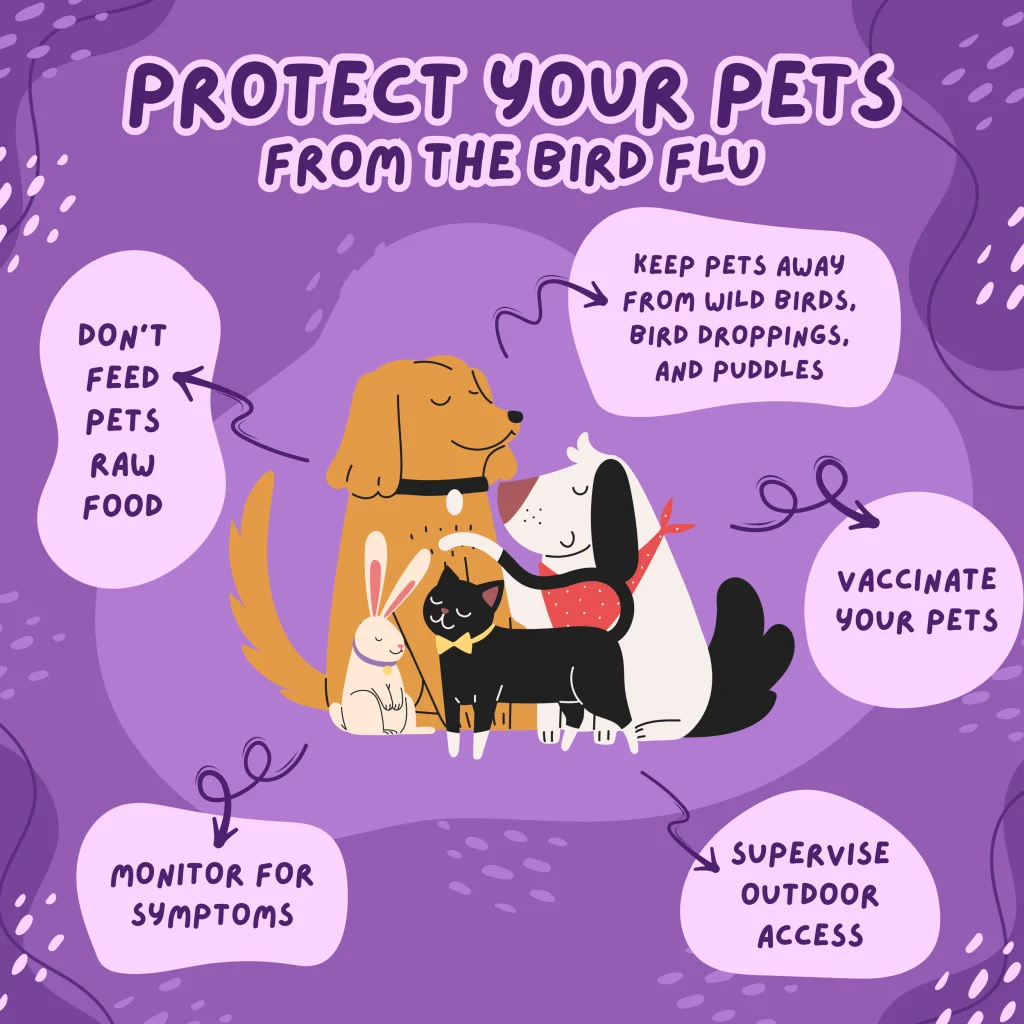
Bird flu can feel scary, especially when you don’t know how to protect yourself. But understanding simple steps can make a big difference in keeping you and your loved ones safe.
This guide will show you exactly what you need to do to survive bird flu and stay healthy. Keep reading—you’ll learn practical tips that could save your life. Your safety starts here.

Credit: www.facebook.com
Recognizing Bird Flu Symptoms
Early signs of bird flu can be similar to the common flu. Symptoms include fever, cough, and sore throat. You might also feel tiredor have body aches. Some people notice runny noseor headache.
Severe symptoms show the illness is getting worse. These include difficulty breathing, chest pain, and severe cough. Some may have confusionor blue lips. It is very important to get medical help quickly if these appear.
Preventing Infection
Avoiding contact with birdsis key to stop bird flu spread. Stay away from wild birds and poultry farms. Do not touch bird droppings or feathers. Keep pets away from birds too.
Maintaining hygienehelps protect you. Wash hands often with soap and water. Use hand sanitizer if soap is not available. Clean surfaces that birds may touch.
Using protective gearis important if contact is needed. Wear masks, gloves, and goggles to block viruses. Dispose of protective gear safely after use.
Safe Handling Of Poultry
Handling poultry carefully helps prevent bird flu infection. Always wash hands after touching birds and cook poultry thoroughly before eating. Avoid contact with sick birds to stay safe.
Proper Cooking Techniques
Cooking poultry correctly is very important. Always cook chicken until it is hot and steaming. Use a food thermometer to check the temperature. The inside must be at least 165°F (74°C). This kills harmful germs. Never eat raw or undercooked chicken. It can make you sick.
Cleaning And Disinfecting
Keep your kitchen clean. Wash hands with soap before and after touching chicken. Use separate cutting boards for meat and vegetables. Clean surfaces with hot, soapy water. Disinfect kitchen tools and counters to kill germs. This helps keep your family safe from illness.
Boosting Immunity
A healthy diethelps the body fight infections better. Eat plenty of fruits and vegetables. These have vitamins and minerals that keep your immune system strong. Include whole grains, nuts, and lean proteinsin meals. Avoid too much sugar and junk food because they can weaken your body’s defenses.
Regular exercisekeeps the blood flowing and helps the body stay strong. Try to move for at least 30 minutes every day. Walking, stretching, or playing outside works well. Exercise also helps reduce stress, which can harm your immune system.
Adequate restis very important. The body needs sleep to heal and stay healthy. Try to get 7 to 9 hoursof good sleep each night. Rest helps the body fight off viruses like bird flu more easily.
What To Do If Infected
Seek medical care quickly to get the right treatment and avoid spreading the virus. Rest well and drink plenty of fluids to help your body fight the infection. Stay isolated from others until fully recovered to protect those around you.
Seeking Medical Help
Contact a healthcare providerimmediately if symptoms appear. Early care can prevent serious problems. Describe all symptoms clearly. Follow all instructions from medical staff without delay. Avoid self-medicating or ignoring signs.
Isolation And Care
Stay isolatedto stop the virus from spreading. Use a separate room and bathroom, if possible. Wear a mask around others. Keep hands clean with soap and water. Rest well and drink plenty of fluids to help recovery.
Medications And Treatments
| Medication | Purpose | Notes |
|---|---|---|
| Antiviral drugs | Reduce virus activity | Prescribed by doctors; start early |
| Fever reducers | Lower fever and pain | Use as directed; avoid aspirin in children |
| Fluids | Prevent dehydration | Water, juice, and broth recommended |

Credit: www.facebook.com
Community Measures
Vaccination programshelp protect many people in the community. They stop the bird flu from spreading fast. Vaccines are given to those at risk, like farmers and workers near birds. This lowers the chance of getting sick.
Public awarenessis very important. People must know how bird flu spreads and how to stay safe. Simple steps like washing hands and avoiding sick birds can save lives. Clear messages help everyone understand what to do.
Reporting outbreaksquickly helps stop the disease. If someone sees sick birds or people with flu symptoms, they should tell health workers fast. Early reports let officials act fast. This keeps the community safer.

Credit: www.facebook.com
Frequently Asked Questions
What Are The Main Symptoms Of Bird Flu To Watch For?
Bird flu symptoms include fever, cough, sore throat, muscle pain, and difficulty breathing.
How Can I Protect Myself From Bird Flu Infection?
Avoid contact with sick birds, wash hands often, and cook poultry thoroughly.
Can Bird Flu Spread From Person To Person?
Person-to-person spread is rare but possible; close contact increases risk.
Conclusion
Staying safe from bird flu needs care and good habits. Wash your hands often and avoid touching your face. Keep distance from sick birds or people. Cook poultry well before eating. Watch for symptoms like fever or cough. Seek medical help quickly if you feel unwell.
Being careful helps protect you and others. Stay informed and follow health advice every day. Small actions make a big difference in staying healthy. Remember, prevention is the best way to survive bird flu.