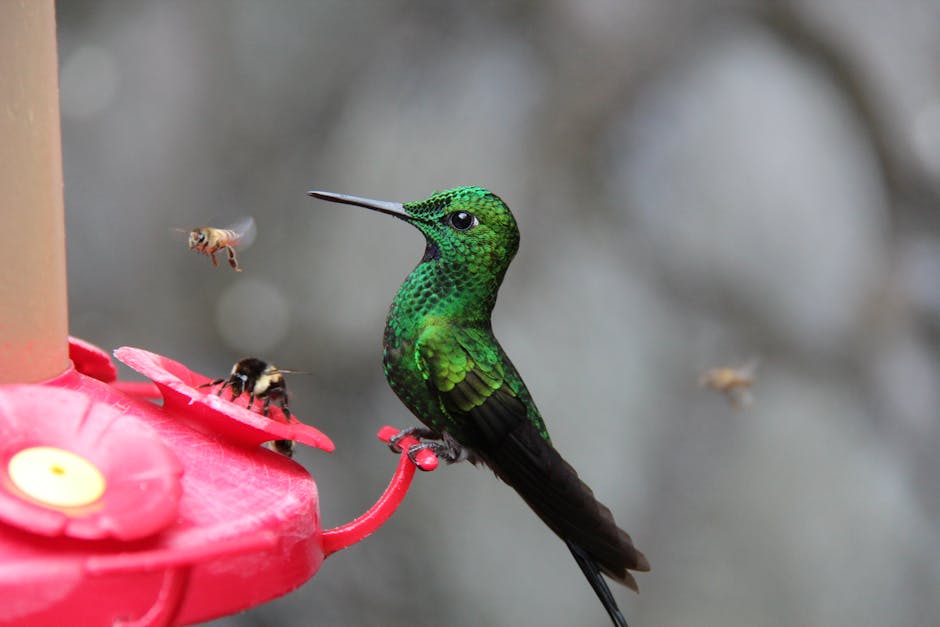
Are you tired of seeing honey bees swarm around your hummingbird feeders? While it’s wonderful to welcome nature into your garden, those busy bees can quickly take over, making it hard for hummingbirds to enjoy their meals.
You want to attract these tiny, colorful birds without turning your feeder into a bee magnet. Luckily, there are simple and effective ways to keep honey bees away while still inviting hummingbirds to visit. Keep reading to discover easy tips that will help you protect your feeders and enjoy the peaceful beauty of hummingbirds all season long.

Credit: www.facebook.com
Why Bees Are Attracted To Feeders
Honey beesare drawn to hummingbird feedersmainly because of the sugar water. The sugar concentrationin the nectar mimics the natural flower nectar bees love. The scentalso plays a role, as sweet smells attract bees from far away.
Feeder design can either invite or keep bees away. Feeders with smaller feeding portsare harder for bees to access but easy for hummingbirds. Bright red colors attract hummingbirds, but yellow and bluecan attract bees. The placementof feeders matters too. Placing feeders away from flowers or shady spots can reduce bee visits.
| Factor | Effect on Bees |
|---|---|
| Sugar Concentration | High sugar attracts bees quickly |
| Scent | Sweet scent draws bees from distance |
| Feeder Design | Small ports limit bee access |
| Feeder Color | Red attracts hummingbirds; other colors may attract bees |
| Placement | Far from flowers reduces bee visits |
Choosing Bee-resistant Feeders
Choosing the right feeder shape helps keep bees away. Feeders with small feeding portsor tubesare less attractive to bees. Wide, open designs make it easier for bees to land and feed.
Shapes with bee guardsor built-in barriersblock bees but allow hummingbirds to feed easily. Designs that hang or move can also discourage bees from landing.
| Material | Effect on Bees | Notes |
|---|---|---|
| Glass | Less attractive | Easy to clean, less sticky |
| Plastic | Can attract bees | Sticky residue builds up faster |
| Metal | Deters bees | Cool surface, hard to grip |
Placement Strategies To Avoid Bees
Place hummingbird feeders away from flowers or fruit trees to reduce bee visits. Use bee guards or feeders with small feeding ports to block bees but allow hummingbirds access. Regularly clean feeders to prevent attracting bees with leftover nectar.
Optimal Height And Location
Place feeders high to confuse bees. Bees prefer lower spots. Choose shady areas. Bees like sunny places. Keep feeders away from flowers. Bees love flowers. Move feeders regularly. Bees remember spots. Use bright colors. Bees dislike red. Avoid yellow feeders. Bees are attracted to yellow.
Using Barriers And Traps
Use bee guards on feeders. They block bees. Install mesh screens nearby. Bees can’t pass through. Hang sticky traps around. Bees get stuck easily. Create water barriers. Bees avoid water. Place feeders over water bowls. Bees won’t reach them. Avoid using sugary traps. Bees will swarm them.
Feeder Maintenance Tips
Clean feeders often to stop honey bees from coming. Use warm water and mild soap to wash all parts. Rinse well to remove soap traces. Let feeders dry fully before refilling with nectar. Check feeders for cracks or sticky spots that attract bees.
Prepare nectar carefully to keep bees away. Mix 1 part white sugar with 4 parts water. Boil the mixture for a few minutes to kill germs. Cool it before filling the feeder. Avoid using honey or artificial sweeteners as they attract bees more.
- Clean feeders weekly during hot weather.
- Use a soft brush to reach small holes.
- Place feeders in shaded areas to slow fermentation.
- Discard old nectar to prevent mold and fermentation.
Natural Deterrents For Bees
Planting certain herbs can keep honey bees away from hummingbird feeders. Herbs like mint, lavender, and citronellahave scents bees dislike. These plants also add beauty to your garden. Place them near feeders to act as natural barriers.
Safe homemade sprays can also help. Mix water with a few drops of peppermint or eucalyptus oil. Spray this around the feeder area but not on the feeder itself. This scent confuses bees and keeps them at bay. Always test sprays on a small area to avoid harming plants.

Credit: www.facebook.com
When To Use Professional Solutions
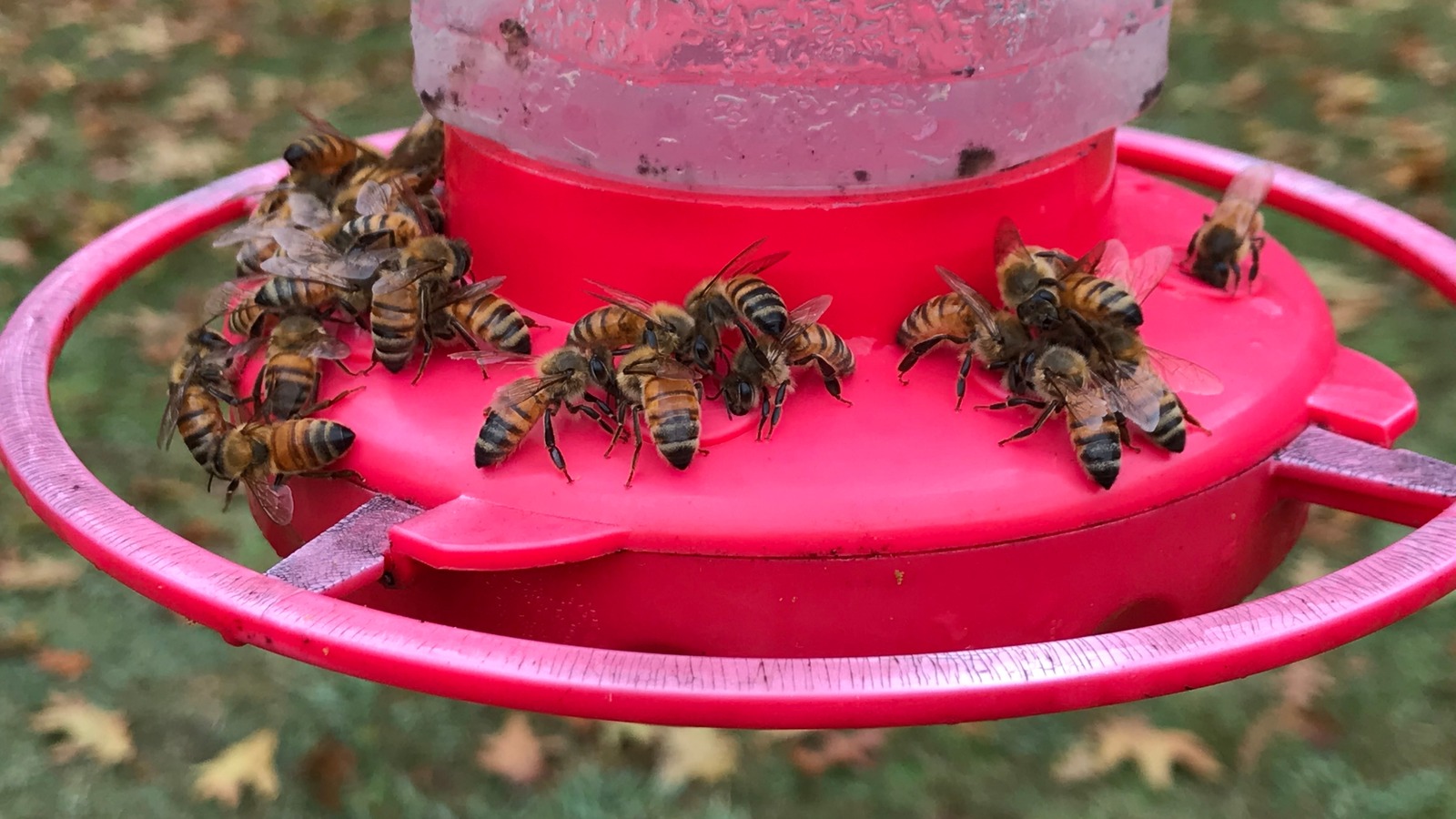
Identifying bee infestationnear hummingbird feeders is key. Watch for large groups of bees around the feeder. Bees often gather when the feeder is leaking or too sweet. You may see them blocking the feeder ports. This can stop hummingbirds from feeding. Also, check for bee nests nearby, like in trees or under eaves.
Contacting pest controlmay be needed if bees create a big problem. Professionals know how to safely remove bees without harm. They use special tools and methods. This keeps your hummingbirds safe. Pest control can help if bee numbers grow fast or bees become aggressive. Always choose licensed experts for safe removal.
Credit: www.housedigest.com
Frequently Asked Questions
Why Do Honey Bees Visit Hummingbird Feeders?
Honey bees are attracted to the sweet nectar in hummingbird feeders. They look for food sources easily.
How Can I Stop Bees From Drinking Hummingbird Nectar?
Use bee-proof feeders or add bee guards. Clean spills quickly to avoid attracting bees.
Does Changing Feeder Placement Reduce Honey Bee Visits?
Yes, moving feeders away from flowers and shaded areas can lower bee visits effectively.
Conclusion
Keeping honey bees away from hummingbird feeders helps birds feed safely. Use bee guards or choose feeders with small feeding ports. Place feeders in shaded spots and clean them regularly. Try adding bee traps far from the feeder to distract bees.
Watch your feeder often to spot any bee activity early. These simple steps protect hummingbirds and reduce bee problems. Enjoy watching hummingbirds without worrying about honey bees. Care and patience make a big difference in your garden.