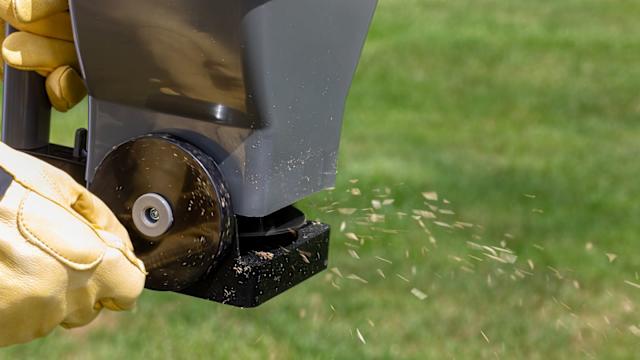
Are you ready to grow a lush, green lawn but worried that hungry birds might ruin your hard work? Protecting your grass seed from birds is easier than you think, and it can save you time, money, and frustration.
You’ll discover simple, effective ways to keep those pesky birds away while your grass seeds take root. Keep reading, and you’ll learn how to ensure your lawn starts strong and stays healthy. Your perfect lawn is just a few steps away!

Credit: www.aol.com
Why Birds Target Grass Seed
Birds target grass seed for its easy availability and nutritional value. Protect grass seed by using netting or covering the seeds with mulch. This prevents birds from reaching them while ensuring the seeds stay moist and secure.
Birds’ Attraction To Seed
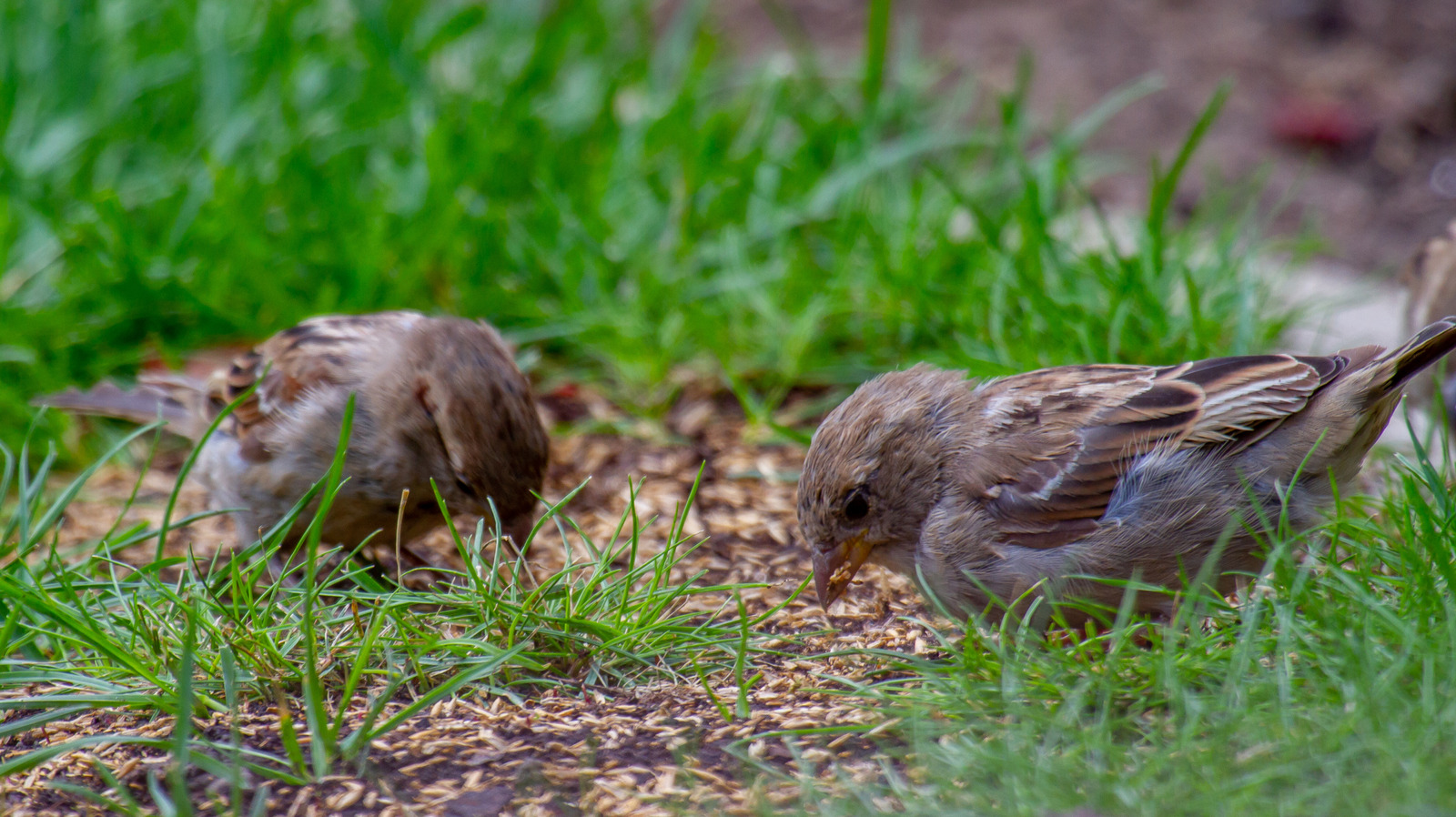
Grass seedsare a rich source of food for many birds. They are easy to find on the ground. Seeds provide energy and nutrientsbirds need to survive. The bright colors and fresh scent of seeds attract birds. Birds often peck at seeds because they are small and easy to eat. Seeds that are spread on bare soil are more vulnerable. Birds see fresh grass seed as a quick meal.
Common Bird Species That Feed On Seed
| Bird Species | Feeding Habit | Seed Preference |
|---|---|---|
| Finches | Ground feeder | Small grass seeds |
| Blackbirds | Forage on soil | Large and small seeds |
| House Sparrows | Peck at surface | Grass and weed seeds |
| Doves | Pick seeds from ground | Grass and crop seeds |
Choosing Bird-resistant Grass Seed
Bird-resistant grass seedshelp protect your lawn from hungry birds. Some types are less tasty to birds and can lower seed loss. Fescueand ryegrassare examples that birds avoid. These seeds have tougher coatings or flavors birds do not like.
Seeds with special coatingsand treatmentsmake a big difference. These coatings can taste bad or be slippery to birds. Some treatments include natural repellents that keep birds away without harming them. This helps seeds stay safe while they grow.
| Seed Type | Why Birds Avoid |
|---|---|
| Fescue | Tough texture and less tasty |
| Ryegrass | Unpleasant taste for birds |
| Seed Coatings | Slippery or bitter surface |
| Treated Seeds | Natural bird repellents added |
Physical Barriers To Keep Birds Away
Netting and mesh coverscreate a physical block that stops birds from reaching the grass seeds. Use lightweight, fine mesh to cover the seeded area. Secure the edges well to prevent birds from slipping in. This method lets sunlight and water pass through easily.
Row covers and screensare another way to protect seeds. These covers act like a tent over the grass seed. They keep birds out while allowing air and moisture inside. Choose covers that are easy to remove once the seeds start to grow.
- Use netting or mesh with small holes (1/2 inch or less).
- Anchor covers tightly to the ground.
- Check covers regularly for holes or gaps.
- Remove covers after grass sprouts to avoid damage.
Visual Deterrents For Birds
Reflective tapescares birds by shining bright light. It moves with the wind and creates flashes that birds dislike. Hanging strips near the grass seed keeps birds away. Small shiny objects like CDs or mirrors also work well. They catch sunlight and make birds nervous.
Decoy predatorslook like real animals that eat birds. Fake owls or hawks placed near the seeded area can stop birds from landing. Moving these decoys often keeps birds confused and scared. This method helps protect grass seeds without harming birds.
Auditory Deterrents And Noise Makers
Sounds that scare birds can keep them away from fresh grass seed. Using noise makers or devices that create sudden loud sounds helps protect your lawn. These auditory deterrents stop birds from eating seeds without harming them.
Ultrasonic Devices
Ultrasonic devices can scare birds away from grass seeds. These gadgets make sounds only birds hear. The noise is annoying for them. People cannot hear it. Birds fly away to find quiet places. These devices are small and easy to use. Just place them near the grass. They work well without bothering neighbors.
Recorded Predator Calls
Birds fear predator sounds. Recorded predator calls trick birds. They think a predator is near. These sounds can be played from speakers. Birds get scared and leave the area. The grass seeds stay safe. Use different predator sounds for better results. The sounds keep birds away without harm.
Timing And Seed Planting Techniques
Sow grass seedduring cool, moist seasons for best growth. Early spring or fall are ideal times. Seeds sprout quickly and get less bird attention.
Plant seeds at the correct depth. Cover them with about 1/4 inch of soil or mulch. This hides seeds from birds and keeps them moist.
- Use a rake to gently cover seeds with soil.
- Press soil lightly to make good seed contact.
- Water seeds carefully to avoid washing them away.
| Season | Benefits |
|---|---|
| Early Spring | Cool weather; seeds sprout fast |
| Fall | Moist soil; less bird activity |
Natural And Chemical Repellents
Safe bird repellent sprays use natural ingredients like peppermint oiland garlic. These sprays have strong smells that birds dislike. They keep birds away without harming them or the grass seed. Spraying around the seeded area can protect the seeds effectively.
Homemade remedies are simple and cheap. A mix of water, hot pepper, and dish soapcan scare birds. Spray this mixture lightly on the soil. Another option is hanging shiny objects like aluminum foil stripsor old CDsnear the seed. Birds get scared by the light reflections and noises.
Credit: mossawistudios.com
Maintaining A Bird-friendly Yard
Providing alternative food sourceshelps keep birds away from your grass seed. Scatter birdseed or offer fruits and nuts in a different area. This draws birds to those spots instead of your lawn.
Creating bird habitats away from seedalso helps. Plant shrubs or place birdhouses far from the grass seed. Birds will prefer these cozy places for resting and feeding.
- Scatter seeds or fruits 10-20 feet away from new grass.
- Use feeders to attract birds away from your lawn.
- Plant bushes or trees to offer shelter far from the grass.
- Place birdhouses in the yard but away from grass seed zones.
Monitoring And Adjusting Your Strategy
Watch birds closely to see when and where they visit your grass seed. Note the times of day they come most often. This helps decide the best way to keep them away.
Change your bird deterrents often to keep them from getting used to one type. Moving scarecrows or shiny objects can help. Switching between nets, spikes, or sounds can keep birds confused and away from seeds.
- Check seed area daily for bird activity.
- Move scarecrows every few days.
- Use different bird deterrents at different times.
- Replace or adjust nets if birds find holes.
Credit: www.outdoorguide.com
Frequently Asked Questions
How Can I Stop Birds From Eating Grass Seed?
Cover the seed with a light layer of straw or netting to keep birds away.
What Natural Ways Protect Grass Seed From Birds?
Scarecrows, shiny objects, or noise-makers help keep birds off newly seeded lawns.
When Is The Best Time To Plant Grass Seed To Avoid Birds?
Plant grass seed early morning or late evening when birds are less active.
Conclusion
Protecting grass seed from birds takes simple, careful steps. Cover the seed with light netting or straw to block birds. Use scare devices like shiny objects or noise makers to keep birds away. Water the seed regularly to help it grow fast.
Healthy grass grows quickly and birds lose interest. Watch your lawn often and adjust your methods as needed. With patience and care, your grass will sprout strong and green. Enjoy a beautiful lawn without worrying about hungry birds. Small efforts bring big results.