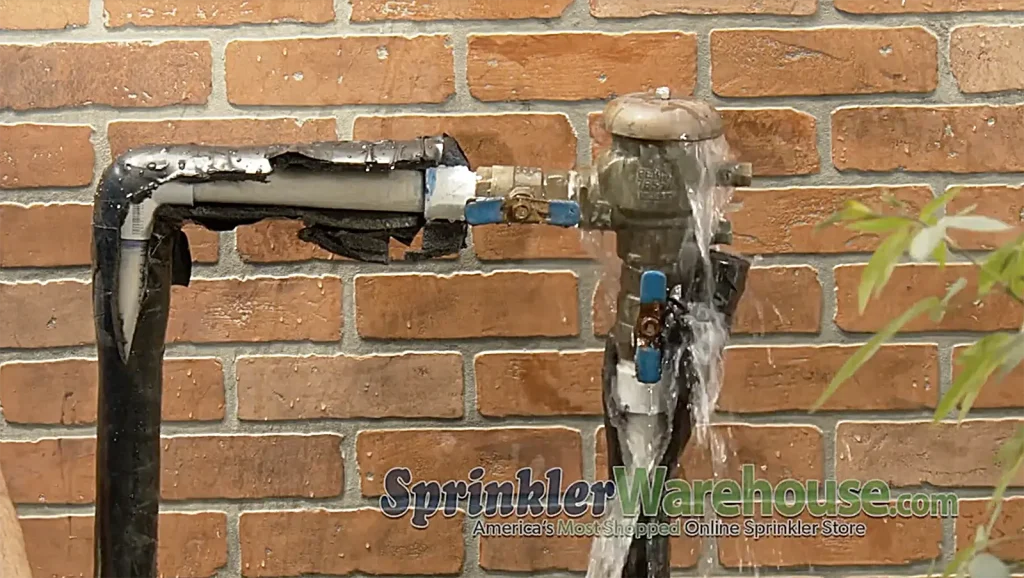
Winter is coming, and if you want to protect your Rainbird sprinkler system from freezing damage, you need to act now. Imagine waking up in spring only to find broken pipes or a costly repair bill because your system wasn’t properly winterized.
Don’t let that happen to you. You’ll learn simple, step-by-step tips to winterize your Rainbird sprinkler system quickly and effectively. Taking these easy steps today will save you time, money, and headaches later. Ready to keep your sprinkler system safe all winter long?
Let’s get started.
Prepare The Sprinkler System
Turn off the water supplyto stop water flow into the sprinkler system. This helps prevent pipes from freezing and bursting during cold weather. Locate the main water valve and close it tightly.
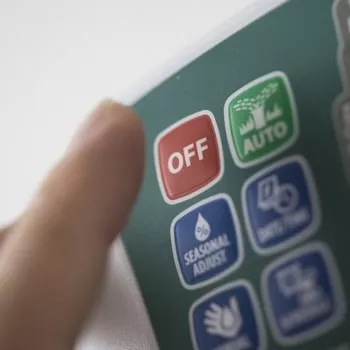
Shut off the controllerto stop automatic watering cycles. This protects the timer and electrical parts from damage caused by cold or moisture. Unplug the controller if possible or switch it off.
- Remove all hosesconnected to the system.
- Drain waterfrom hoses to avoid freezing inside them.
- Store hoses in a dry place to keep them safe during winter.
Credit: www.plumbersstock.com
Drain The Water From The System
Locate the drain valves near the main water supply and at the lowest points of the sprinkler pipes. These valves help release water trapped inside the system to prevent freezing damage.
- Turn off the main water supply first.
- Open each drain valve slowly to let water flow out.
- Check for clear water flow to ensure proper drainage.
- Close the valves once water stops draining.
If your system lacks drain valves or water remains trapped, use the manual drain method. Remove the end caps or plugs from the pipes to let water escape. This method requires careful handling to avoid pipe damage.
Blow Out The Sprinkler Lines
Clear water from sprinkler lines using an air compressor to prevent freezing damage. Blow out each zone until no water remains in the pipes. This step keeps your Rainbird system safe during cold winter months.
Connect An Air Compressor
Attach the air compressor to your sprinkler system. Use a suitable adapter for connection. Make sure the connection is tight to avoid leaks. This helps the air flow properly.
Set The Correct Air Pressure
Keep air pressure between 40 to 50 PSI. Too much pressure can damage the system. Use a pressure regulator for safety. Check the pressure gauge often to be sure.
Purge Each Zone Thoroughly
Open each zone one by one. Let the air blow out water completely. Watch for water droplets to stop. Move to the next zone only when the current one is clear.

Credit: www.tiktok.com
Protect Above-ground Components
Cover the backflow preventer with an insulated cover. This stops freezing and damage. Use foam or special covers made for this part. Make sure the cover fits well and seals out cold air.
Insulate exposed pipes with foam sleeves or heat tape. This keeps water inside from freezing. Wrap the pipes tightly and secure the insulation with tape or zip ties. Check for gaps and cover them.
Remove parts like sprinkler heads or timers that can be taken off. Store these parts indoors in a dry place. This protects them from cold and frost. Label parts for easy reassembly in spring.
Maintain The System During Winter
Check your sprinkler system for any leaksbefore freezing temperatures arrive. Leaks can cause damage and waste water. Look around pipes, valves, and sprinkler heads for wet spots or puddles. Fix leaks quickly to avoid costly repairs.
Schedule a mid-winter inspectionto keep the system working well. This check helps find hidden problems early. Inspect pipes for cracks and ensure all parts are covered from frost. Clear debris that might block sprinkler heads.

Credit: www.tiktok.com
Prepare For Spring Startup
Check all sprinkler heads for damage or dirt. Replace broken or clogged heads. Look over valves and pipes for leaks. Make sure wires and connections are tight and dry.
Turn on the main water supply slowly. Power on the controller and set the clock. Check that the settings saved during winter are still correct.
Run each zone one at a time. Watch if all sprinklers spray evenly. Listen for strange noises or leaks. Adjust spray patterns if needed to cover all areas well.
Frequently Asked Questions
How Do I Prepare Rainbird Sprinklers For Winter?
Drain the water from pipes and valves to stop freezing and damage during cold months.
Can I Use Compressed Air To Winterize Rainbird Systems?
Yes, blow out water using low-pressure air to protect pipes from ice cracks.
When Should I Winterize My Rainbird Sprinkler System?
Do it before the first frost to avoid pipe bursts and costly repairs.
Conclusion
Winterizing your Rainbird sprinkler system protects it from cold damage. Drain water from pipes and valves to avoid freezing. Shut off the water supply and blow out remaining water carefully. Cover exposed parts to keep snow and ice away. Regular winter care saves money on repairs.
A well-prepared system works smoothly in spring. Take time now to protect your irrigation. Keep your system safe and ready for next season. Simple steps make a big difference. Your garden will thank you later.