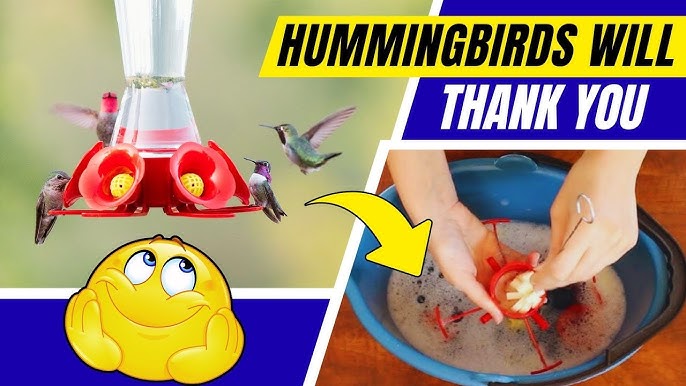
If you love watching hummingbirds visit your feeder, you know how important it is to keep it clean. But what is the best way to clean a hummingbird feeder?
You want to make sure your feeder stays safe and inviting for these tiny visitors. A dirty feeder can harm the birds or stop them from coming back. You’ll discover simple and effective steps to keep your feeder spotless. By the end, you’ll have the confidence to clean your feeder quickly and easily, helping you enjoy more beautiful hummingbird visits all season long.
Keep reading to learn how!

Credit: www.reddit.com
Choosing The Right Cleaning Tools
Choosing soft brushes and bottle cleaners helps reach every part of the feeder. A gentle sponge removes dirt without damaging delicate parts. Clean tools make hummingbird feeding safe and healthy.
Brushes And Scrubbers
Use a soft brush or small scrubber to clean the feeder. Brushes with long handles help reach narrow parts. Avoid metal brushes that can scratch the feeder. Scrub gently to remove nectar residue and mold. A toothbrush also works well for tiny spots. Replace brushes often to keep them clean.
Safe Cleaning Solutions
Warm water and mild dish soap work best to clean hummingbird feeders. Avoid strong chemicals or bleach, which can harm birds. Rinse the feeder well after cleaning to remove soap. Vinegar mixed with water is a safe alternative. Let the feeder dry completely before refilling.
Step-by-step Cleaning Process
Start by carefully taking apart the feeder. Remove the base, bottle, and any small parts. This helps clean every part well. Place the pieces on a clean surface.
Fill a basin with warm water and add a mild soap. Let the pieces soak for 10-15 minutes. Use a small brush or sponge to scrub inside and outside. Pay attention to the feeding ports and corners where dirt hides.
Rinse each part thoroughly with clean water. Make sure no soap or residue stays. Soap can harm hummingbirds. Let the pieces air dry completely before putting the feeder back together.
Frequency Of Cleaning
Cleaning keeps hummingbird feeders safe. Dirty feeders can harm birds. Regular cleaning is important. Frequency depends on weather and use. Hot weather needs more cleaning. Cold weather needs less. Heavy use means cleaning often.
Signs Your Feeder Needs Cleaning
- Cloudy nectar inside
- Sticky residue around feeder
- Black mold spots
- Insects around the feeder
Recommended Cleaning Schedule
Clean feeders every week. In warm months, clean twice a week. Rainy weather might need more cleaning. Use mild soap and water. Rinse well to remove soap. Air dry before refilling.

Credit: www.facebook.com
Preventing Mold And Bacteria
Store the hummingbird feeder in a cool, dry placewhen not in use. Avoid direct sunlight to prevent mold growth. Always empty old nectarbefore storing the feeder. Rinse the feeder thoroughly with warm water and mild soap. Let it dry completelyto stop bacteria from growing.
Natural antimicrobial methods help keep feeders clean without harsh chemicals. Use a mixture of one part white vinegar to four parts waterto clean the feeder. Soak the feeder for 10-15 minutes to kill mold and bacteria. Rinse well after soaking to remove any vinegar taste.
Another option is to use baking soda. Mix a teaspoon with warm water and scrub the feeder gently. Baking soda helps remove residue and neutralizes odors. Always rinse thoroughly before refilling nectar.
Tips For Maintaining Nectar Freshness
Cleaning your hummingbird feeder regularly keeps nectar fresh and safe. Use warm soapy water and a brush to remove mold and residue. Rinse well to avoid harming the birds.
Making Homemade Nectar
Use clean water and white granulated sugar only. Mix four parts water with one part sugar. Boil water first, then stir in sugar until dissolved. Let it cool before filling the feeder. Avoid using honey, artificial sweeteners, or red dye. These can harm hummingbirds.
Avoiding Common Nectar Mistakes
- Do not add food coloring; it can be toxic.
- Change nectar every 2-3 days in hot weather.
- Clean the feeder regularly to stop mold and bacteria.
- Keep the feeder in shade to slow fermentation.
- Do not overfill; smaller amounts stay fresher.
Credit: www.housedigest.com
Frequently Asked Questions
How Often Should I Clean A Hummingbird Feeder?
Clean the feeder every 3 to 5 days to keep nectar fresh and prevent mold growth.
What Is The Safest Cleaner For Hummingbird Feeders?
Use a mixture of mild dish soap and warm water to clean feeders safely.
Can Vinegar Be Used To Clean Hummingbird Feeders?
Yes, a vinegar-water mix helps remove mold and bacteria effectively without harming birds.
Conclusion
Cleaning your hummingbird feeder often keeps birds healthy and happy. Use warm water and mild soap for best results. Rinse well to avoid any soap residue. Regular cleaning stops mold and bacteria from growing. A clean feeder attracts more hummingbirds to your yard.
Simple steps make feeding easy and safe. Enjoy watching these tiny birds visit every day. Keep your feeder bright and fresh for great results. This small effort makes a big difference for hummingbirds.