Introduction to the Indian Peafowl
The national bird of India is the Indian Peafowl. Many people call it a peacock. It is a symbol of grace and beauty. The bird is full of vibrant colors.
The Indian Peafowl is not just a bird. It is a part of India’s culture. It represents the rich heritage of India. Indians have admired this bird for many years.
Why the Indian Peafowl?
India chose the Indian Peafowl as its national bird in 1963. This bird was chosen because of its beauty. It is also found in many parts of India.
The peacock has cultural significance too. It appears in many Indian stories and legends. It is often linked to Indian gods and goddesses.
Appearance of the Indian Peafowl
The Indian Peafowl is a large bird. Males are more colorful than females. The male bird is called a peacock. The female is called a peahen.
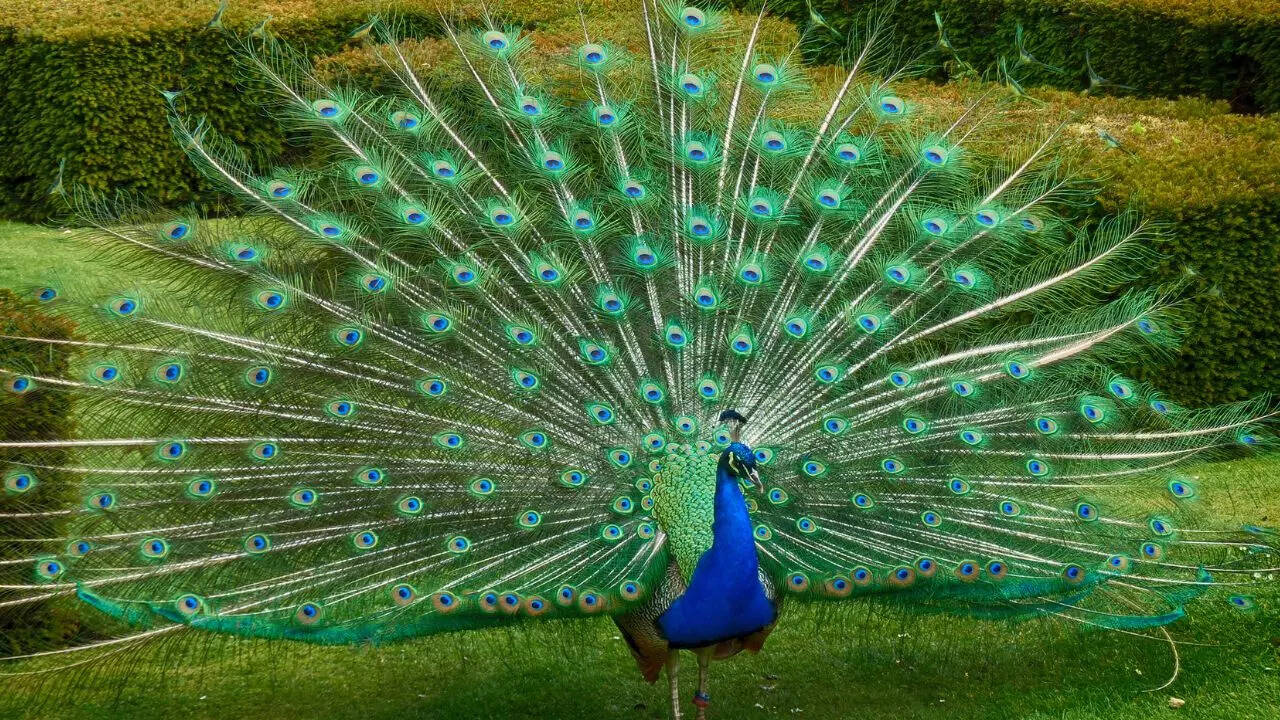
Peacocks have long, shiny feathers. Their feathers have eyespots. These eyespots look like big eyes. The peahen is not as colorful. She has brown and green feathers.
The table below shows some features of the Indian Peafowl:
| Feature | Description |
|---|---|
| Color | Blue, green, and gold |
| Size | Large bird |
| Feathers | Long with eyespots |
| Sound | Loud call |
Habitat and Behavior
The Indian Peafowl lives in forests and near villages. It likes open areas. The bird can be seen in many parts of India. It is also found in Sri Lanka.
Peafowls eat seeds, insects, and small animals. They are ground birds but can fly short distances. Peacocks are famous for their dance. They spread their feathers to attract peahens.
Importance in Indian Culture
The Indian Peafowl is part of many Indian traditions. It is seen in Indian art and architecture. Peacocks are in temples and paintings.
In Hindu mythology, the peacock is the mount of Lord Kartikeya. It is also linked to Goddess Saraswati. The bird is a symbol of beauty and wisdom.

Credit: chintan.indiafoundation.in
Conservation Efforts
The Indian Peafowl is protected by law in India. It is illegal to hunt or harm this bird. The government has taken steps to protect its habitat.
People are also involved in conservation. They are educated about the importance of this bird. Many people work to keep the peafowl safe.
Interesting Facts
- Peacocks are one of the largest flying birds.
- Their feathers can be as long as 5 feet.
- A group of peafowls is called a party.
- Peacocks can live up to 20 years.
- They use their loud calls to warn of danger.
Credit: timesofindia.indiatimes.com
Frequently Asked Questions
What Is The National Bird Of India?
The national bird of India is the Indian Peafowl, also known as the Peacock.
Why Is The Peacock India’s National Bird?
The peacock symbolizes grace and beauty. It holds cultural and religious significance in India.
Where Can You Find Peacocks In India?
Peacocks are found in forests, farms, and near villages across India.
What Does The Peacock Symbolize In Indian Culture?
In Indian culture, the peacock symbolizes beauty, elegance, and immortality.
Conclusion
The Indian Peafowl is more than just a bird. It is a symbol of India’s pride. Its beauty and grace are unmatched. It holds a special place in Indian hearts.
From its vibrant feathers to its cultural importance, the Indian Peafowl is truly remarkable. It continues to inspire people across the world.