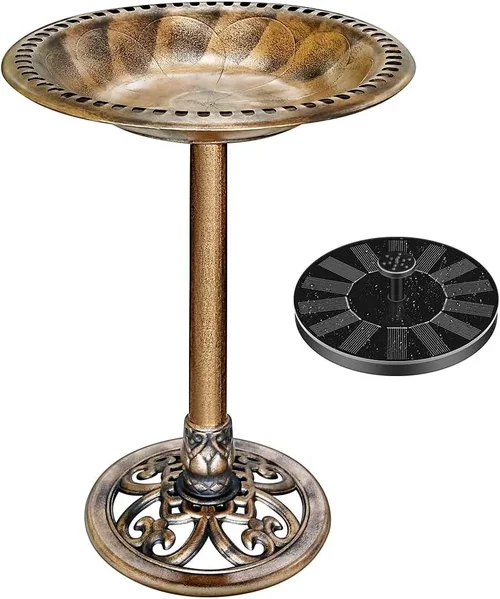
Welcome to the ultimate guide for selecting the perfect solar-powered water feature bird bath. As someone who has spent countless hours observing the joy these features bring to both gardens and their feathered visitors, I understand the desire for a beautiful, functional, and eco-friendly addition to your outdoor space. This guide is crafted to demystify the choices available, empowering you to make an informed decision that will delight both you and your local wildlife for years to come.
Choosing the right solar bird bath can transform a simple garden into a vibrant oasis, providing much-needed hydration and bathing opportunities for birds, while also creating a soothing ambiance with the gentle sound of flowing water. However, the market is awash with options, from basic models to sophisticated designs featuring battery backup and LED lighting. Without a clear understanding of what truly matters, it’s easy to feel overwhelmed or even make a purchase that doesn’t quite meet your expectations.
In this comprehensive guide, we’ll navigate through the essential factors to consider, explore different types of solar bird baths, uncover common pitfalls to avoid, and share expert tips to ensure you invest wisely. By the end, you’ll possess the knowledge to confidently select a solar-powered water feature bird bath that not only enhances your garden’s aesthetic but also provides a sustainable and reliable water source for your beloved birds.

What to Look for When Buying Buying Guide
1. Solar Panel Efficiency & Power Output
The heart of any solar-powered water feature bird bath is its solar panel. This component directly dictates how much sunlight is converted into energy to power the pump. Efficiency isn’t just about size; it’s about the quality of the photovoltaic cells. Higher-efficiency panels, often monocrystalline, can generate more power from less direct sunlight, meaning your fountain will run more consistently, even on partly cloudy days or in less than ideal sun exposure. Look for specifications detailing the panel’s wattage (W) and voltage (V). A higher wattage typically means a more powerful pump or the ability to charge a larger battery effectively. Consider if the panel is integrated into the bird bath itself or if it’s a remote panel connected by a cable. Remote panels offer greater flexibility for placement, allowing you to position the panel in full sun while the bath enjoys a shaded spot.
2. Battery Storage & Runtime
Not all solar bird baths come with battery backup, but for consistent operation, especially during overcast periods or after sunset, a good quality battery is indispensable. The battery stores excess energy generated by the solar panel, allowing the pump to run even when the sun isn’t shining. Key factors here are the battery type (lithium-ion is generally superior for longevity and performance compared to Ni-MH), its capacity (measured in mAh), and the expected runtime on a full charge. A larger mAh capacity means longer operation without direct sunlight. Some advanced models offer programmable timers, allowing you to set specific operation times, conserving battery life for when it’s most needed. Without a battery, the pump will only work when the sun is directly hitting the panel, leading to intermittent operation.
3. Materials & Durability
The longevity of your solar-powered water feature bird bath heavily depends on the materials used in its construction. Common materials include various resins (polyresin, fiberglass), concrete, ceramic, metal, and natural stone. Each has its pros and cons. Polyresin is lightweight, durable, and can mimic other materials like stone at a lower cost, often featuring UV-resistant coatings to prevent fading. Concrete is extremely sturdy and heavy, resisting tipping but can be prone to cracking in freezing temperatures if not properly maintained. Ceramic is beautiful but fragile. Metal, particularly powder-coated steel or copper, can be elegant but may require specific care to prevent rust or tarnishing. Consider your local climate: extreme heat, cold, and strong winds will all test the resilience of your chosen material. Look for weather-resistant, UV-stabilized, and non-toxic materials for the birds’ safety.
4. Pump Performance & Nozzles
The pump is the mechanism that circulates water, creating the desired fountain effect. Look for a pump with sufficient power to create a pleasing water flow without being excessively noisy. The pump’s flow rate, often measured in liters per hour (L/h) or gallons per hour (GPH), indicates its strength. Many solar bird baths come with multiple interchangeable nozzles, allowing you to customize the spray pattern – from a gentle bubbler to a multi-tier spray or a rain-like effect. This not only adds visual interest but can also influence how attractive the water feature is to different bird species. Ensure the pump is easy to access for cleaning, as debris can quickly reduce its efficiency. Some pumps feature a filter to minimize clogging, which is a significant advantage for low maintenance.
5. Design, Aesthetics & Basin Capacity
The visual appeal of your solar bird bath is paramount, as it will be a focal point in your garden. Consider a design that complements your existing landscaping and personal style, whether modern, rustic, classical, or whimsical. Beyond aesthetics, the basin’s capacity is crucial. A deeper or wider basin holds more water, meaning less frequent refilling, especially during hot weather. It also provides a more substantial bathing area for birds. However, too deep can be unsafe for smaller birds, so look for varying depths or shallow edges. Some designs include multi-tiered basins, offering different bathing depths and visual interest. Factor in the bird bath’s footprint and height relative to your chosen location and the types of birds you wish to attract.
6. Ease of Assembly, Cleaning & Maintenance
A solar-powered water feature bird bath should be a source of relaxation, not frustration. Look for models that are straightforward to assemble, often requiring no tools beyond connecting a few pieces and the solar panel. Maintenance is an ongoing consideration. Birds can quickly make a mess, and algae can grow in standing water. Features like easy-to-remove pump covers, smooth basin surfaces, and accessible components make regular cleaning much simpler. Consider models that come with a built-in filter system for the pump, which helps to prevent clogging from leaves, dirt, and bird droppings, though these filters still need periodic cleaning or replacement. The easier it is to clean, the more likely you are to keep it spotless, ensuring a healthy environment for birds and optimal pump function.
7. Safety Features & Wildlife Considerations
While aesthetics and performance are important, the safety of the birds and other small wildlife that visit your water feature is paramount. Ensure the materials used are non-toxic and lead-free. The basin itself should have varying depths or gradual slopes, allowing smaller birds to drink and bathe safely without the risk of drowning. Avoid very slick surfaces where birds might lose their footing. Some advanced solar bird baths include automatic shut-off features for the pump if the water level drops too low, preventing the pump from running dry and burning out. This also indirectly protects birds by ensuring there’s always water available when the pump is running. Consider if the design inadvertently creates a hiding spot for predators; open, visible designs are generally safer for birds.
Different Types of Buying Guide

The world of solar-powered water feature bird baths offers a surprising variety, each designed to cater to different needs and preferences. Understanding these categories is the first step toward finding your perfect match. From the minimalist integrated designs to the feature-rich, battery-backed models, there’s an option for every garden and budget. Choosing the right type depends on your specific outdoor conditions, desired functionality, and aesthetic vision.
Common Buying Mistakes to Avoid
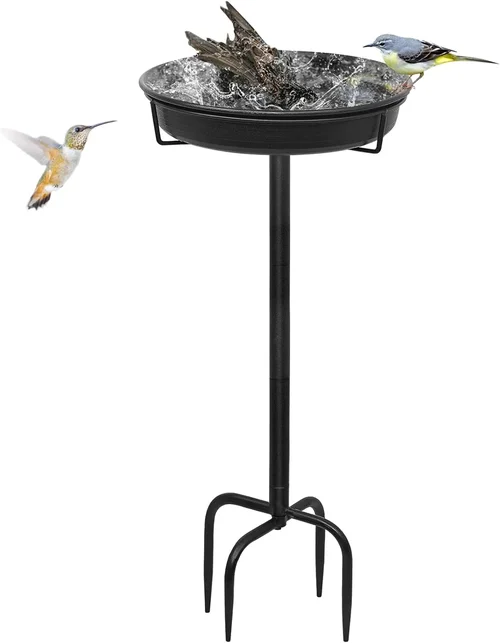
❌ Mistake: Underestimating Solar Panel Placement Needs
Why it’s bad: Many buyers assume a solar bird bath will work anywhere in their garden. However, solar panels require direct, unobstructed sunlight for several hours a day to function optimally and, if applicable, charge their batteries. Placing it in perpetual shade will result in little to no water flow.
What to do instead: Before purchasing, assess your garden for a spot that receives 6-8 hours of direct sunlight. If you have a beautifully shaded area where you’d prefer the bird bath, opt for a model with a remote solar panel that can be placed in a sunnier location nearby. Consider seasonal changes in sun exposure too.
❌ Mistake: Ignoring Material Quality for Durability
Why it’s bad: Being swayed purely by a low price often leads to disappointment. Cheaply made solar bird baths, especially those from thin plastic or poorly finished resin, can quickly fade, crack, or become brittle when exposed to the elements, leading to a short lifespan and wasted money.
What to do instead: Invest in a solar bird bath made from high-quality, weather-resistant materials like durable polyresin with UV protection, sturdy concrete, or treated metal. Read reviews focusing on longevity and resistance to fading or damage. This upfront investment saves you from frequent replacements.
❌ Mistake: Overlooking Pump Maintenance Requirements
Why it’s bad: The pump is the most crucial mechanical part of your solar water feature. Neglecting its maintenance, such as not cleaning it regularly, will lead to clogs from debris (leaves, dirt, bird droppings, algae) and eventually cause it to malfunction or burn out prematurely. This is a common complaint among owners.
What to do instead: Choose a solar bird bath with an easily accessible pump for cleaning. Plan to clean the pump and filter (if present) every 1-2 weeks, especially during peak usage. Keep the water level topped up to prevent the pump from running dry. Regular maintenance extends the life of the pump and ensures consistent operation.
❌ Mistake: Disregarding Battery Backup for Consistent Operation
Why it’s bad: Many entry-level solar bird baths operate only when the sun is directly hitting the panel. This means no water flow on cloudy days, in the evening, or if a shadow falls across the panel. If you expect continuous sound and visual appeal, intermittent operation can be frustrating.
What to do instead: If you desire consistent water flow throughout the day and into the evening, especially in areas with variable sunlight, always opt for a model that includes a good quality battery backup. Check the battery capacity and estimated runtime to match your needs.
❌ Mistake: Choosing a Size Incompatible with Your Space
Why it’s bad: A beautiful large bird bath can overwhelm a small patio, while a tiny one might get lost in a spacious garden. Misjudging the dimensions can lead to an awkward-looking installation or one that doesn’t serve its purpose effectively for the intended space and wildlife.
What to do instead: Measure your intended location carefully. Use a measuring tape and even visual aids (like newspaper cutouts) to visualize the bird bath’s footprint in your garden. Consider not just width and depth, but also height, as this impacts its visual presence and accessibility for birds.
❌ Mistake: Neglecting Warranty and Customer Support
Why it’s bad: Solar water features have electrical components (pump, panel, battery) that can occasionally fail. Buying from a brand with no warranty or poor customer support can leave you stranded if a part breaks down, forcing you to purchase an entirely new unit rather than getting a replacement part.
What to do instead: Always check the manufacturer’s warranty period for the entire unit and, specifically, for the solar panel and pump, as these are the most critical components. Choose reputable brands known for their responsive customer service and availability of spare parts.
Budget Guidelines: How Much Should You Spend?
Understanding how much to budget for a solar-powered water feature bird bath can significantly narrow down your choices and help manage expectations. The price reflects not just the size and materials, but also the technology, features, and brand reputation.
Entry-Level ($40 – $100): In this range, you’ll typically find basic, integrated solar bird baths made from lighter polyresin or plastic. These often lack battery backup, meaning the pump only runs when the sun is shining directly. Performance may be modest, with simpler designs and fewer nozzle options. What to expect: A functional, no-frills water feature perfect for casual use or those on a very tight budget, but expect intermittent operation and potentially shorter lifespan.
Mid-Range ($100 – $250): This is the sweet spot for most buyers, offering a significant jump in quality and features. Here, you’ll find more durable materials (thicker polyresin, some ceramic or treated metal), improved solar panel efficiency, and often a decent battery backup for extended operation. Remote solar panels and more varied, aesthetically pleasing designs are common. What to expect: A good balance of durability, performance, and style, suitable for consistent enjoyment without breaking the bank.
Premium ($250 – $450): Moving into the premium category, you’ll see higher-grade materials like heavier concrete, ornate metals, or sophisticated multi-tiered designs. These units boast highly efficient solar panels, robust lithium-ion battery packs for long runtime, advanced pumps with multiple spray patterns, and often additional features like LED lighting or low-water shut-off sensors. What to expect: Exceptional build quality, reliable performance in varied conditions, sophisticated aesthetics, and enhanced user convenience.
Luxury ($450+): At the top end, you’ll find artisan-crafted pieces, very large or elaborate designs, and systems with superior components, often designed for professional landscaping. These might feature custom stone, advanced smart controls, or integrated heaters for all-season use (though rarer for solar-only). What to expect: A statement piece for your garden, unparalleled durability, and cutting-edge technology, often with a premium brand name and extensive warranty.
Expert Tips for Getting the Best Deal
Finding the perfect solar-powered water feature bird bath at a great price requires a little savvy. Here are some expert tips to help you get the most value for your money and ensure a satisfying purchase.
1. Timing Your Purchase (Off-Season Sales)
Just like any seasonal item, solar bird baths often go on sale during specific times of the year. The best time to buy is typically in the late fall or winter when garden centers and online retailers are clearing out summer inventory to make way for holiday or spring products. You can often find significant discounts, sometimes 30-50% off, by planning your purchase outside of peak spring and summer demand.
2. Comparing Online vs. In-Store Retailers
Both online marketplaces (like Amazon, Wayfair, specialty garden stores) and brick-and-mortar stores (local garden centers, home improvement stores) have their advantages. Online retailers often offer a wider selection and competitive pricing due to lower overheads. However, in-store shopping allows you to physically inspect the product for material quality and size, and avoids potential shipping damage. Compare prices across both channels, remembering to factor in shipping costs for online purchases.
3. Reading the Fine Print on Warranties
Don’t just check if a warranty exists; understand what it covers and for how long. Some warranties might cover the basin for a long period but only offer a short term (e.g., 90 days or 1 year) for the pump and solar panel, which are the most failure-prone components. Opt for products with at least a one-year warranty on all electrical components for peace of mind.
4. Checking Return Policies Thoroughly
Even with extensive research, sometimes a product just isn’t right for your space. A flexible return policy is crucial. Understand the return window, whether you’ll pay for return shipping, and if there are any restocking fees. Some retailers offer free returns, which is a significant advantage, especially for larger items that might be expensive to ship back.
5. Utilizing User Reviews and Q&A Sections
Online reviews are a treasure trove of real-world information. Look for patterns in feedback regarding durability, pump performance, battery life, and ease of maintenance. Pay close attention to reviews mentioning issues after a few months of use. The Q&A section can also provide direct answers to specific concerns you might have that aren’t covered in the product description.
6. Pre-Assessing Your Sunlight Conditions
Before you even start browsing, spend a day or two observing potential locations in your garden. Note how many hours of direct, unobstructed sunlight each spot receives. This crucial step will save you from buying a beautiful solar bird bath only to find it doesn’t function properly in your preferred location, guiding you towards models with battery backup or remote panels if needed.

Frequently Asked Questions
Q: How much sunlight does a solar bird bath need to operate?
A: Most solar bird baths require at least 5-8 hours of direct, unobstructed sunlight per day to run consistently and fully charge their batteries (if equipped). Less sun means intermittent operation or shorter runtime, especially for models without battery backup.
Q: Can solar bird baths run at night?
A: Only solar bird baths equipped with a battery backup can run at night. The battery stores excess energy collected during the day, powering the pump after the sun goes down. Models without a battery will cease to operate once the direct sunlight is gone.
Q: How do I clean my solar bird bath?
A: Regular cleaning is vital. First, empty the water. Then, gently scrub the basin with a brush and a solution of water and mild dish soap or a specialized bird bath cleaner. Rinse thoroughly to remove all soap residue. Don’t forget to disassemble and clean the pump and filter, removing any debris or algae, typically every 1-2 weeks.
Q: What kind of water should I use in my solar bird bath?
A: Always use fresh tap water in your solar bird bath. Avoid using distilled water as it lacks essential minerals beneficial to birds. Regularly refreshing the water (daily in hot weather) helps keep it clean and healthy for birds, and reduces algae growth.
Q: Can I use a solar pump kit in an existing bird bath?
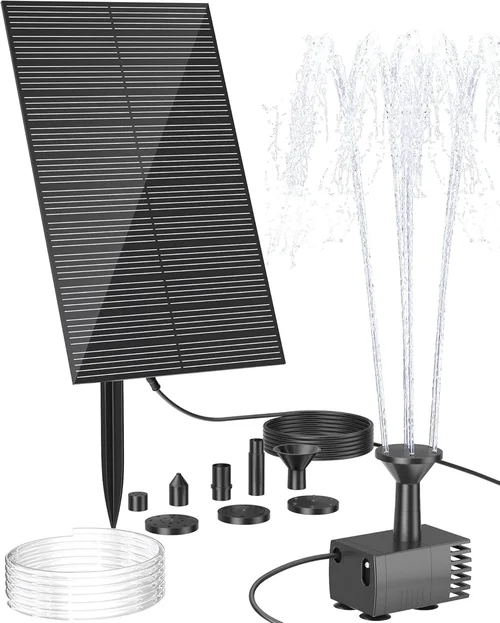
A: Yes, absolutely! Solar pump kits are designed precisely for this purpose. They typically include a small solar panel, a pump, and various nozzles. You simply place the pump in your existing bird bath, position the solar panel in direct sun, and enjoy a new water feature.
Q: Are solar bird baths safe for all birds?
A: Generally, yes. Ensure the basin has varying depths or a shallow edge to allow smaller birds to drink and bathe safely. The materials should be non-toxic, and the water kept clean. Avoid very slippery surfaces. The gentle sound of moving water is a natural attractant for many bird species.
Q: What do I do with my solar bird bath in winter?
A: In regions where temperatures drop below freezing, you should drain and store your solar bird bath indoors to prevent damage from freezing water expansion. The pump, solar panel, and battery are particularly vulnerable to cold. Clean all components thoroughly before storing them in a dry, protected place.
Our Final Recommendations
Navigating the world of solar-powered water feature bird baths can be a journey, but armed with the right information, you’re ready to make a choice that will bring joy to your garden. Based on our comprehensive analysis, here are our top recommendations for different buyer profiles:
Best for Budget-Conscious Buyers: For those looking to add a charming water feature without a significant investment, focus on integrated polyresin models or solar pump kits. They offer the basic function of moving water and will attract birds, though they might require more direct sun and lack advanced features.
Best Overall Value: The mid-range solar bird baths with remote solar panels and modest battery backup often provide the best balance. They offer good durability, consistent performance (even with some clouds), and attractive designs without pushing into the premium price bracket. This category gives you the most bang for your buck.
Best Premium Option: If you’re seeking a statement piece with superior performance and longevity, invest in models crafted from high-quality concrete or powder-coated metal, featuring efficient monocrystalline solar panels, robust lithium-ion batteries, and advanced pump systems. These offer extended runtimes and sophisticated aesthetics.
Best for Small Spaces/Balconies: Compact, integrated designs made from lightweight yet durable polyresin are ideal. Look for models that are stable but easy to move, ensuring they can be placed in the sunniest spot on a balcony or small patio without taking up too much room.
* Best for Attracting Diverse Wildlife: Multi-tiered designs or those with a wide, shallow basin with varying depths are excellent for attracting a wider variety of birds and even beneficial insects. The multiple water levels cater to different bird sizes and preferences, creating a dynamic and inviting habitat.
Conclusion: Making the Right Choice
Selecting the ideal solar-powered water feature bird bath is about aligning its features with your specific needs, your garden’s characteristics, and your personal aesthetic. Remember, the true value lies not just in the initial purchase but in the long-term enjoyment it brings – to you, and to the vibrant ecosystem of your backyard. Prioritize factors like solar panel efficiency, battery backup for consistent operation, durable materials that suit your climate, and a design that complements your outdoor space.
By avoiding common mistakes and leveraging the expert tips shared in this guide, you are well-equipped to make a smart, sustainable choice. So, take a moment to reflect on what truly matters to you in a bird bath, envision it in your garden, and then confidently make your purchase. Soon, you’ll be enjoying the tranquil sounds of flowing water and the delightful sight of birds splashing and drinking, all powered by the sun. Happy bird watching!