Imagine sipping a refreshing drink on a hot summer day. Now, think about the tiny hummingbirds flitting about your garden, tirelessly seeking out the perfect nectar.
By learning how to prepare hummingbird water, you can offer these delightful creatures a safe and delicious treat right in your backyard. But why should you care about getting it just right? Because the health and happiness of these vibrant birds depend on it.
In this guide, you’ll discover the simple steps to create the ideal hummingbird nectar, ensuring your feathered friends keep coming back for more. Stick around to learn the secrets of making hummingbird water that’s just as irresistible as you are to them.
Essential Ingredients
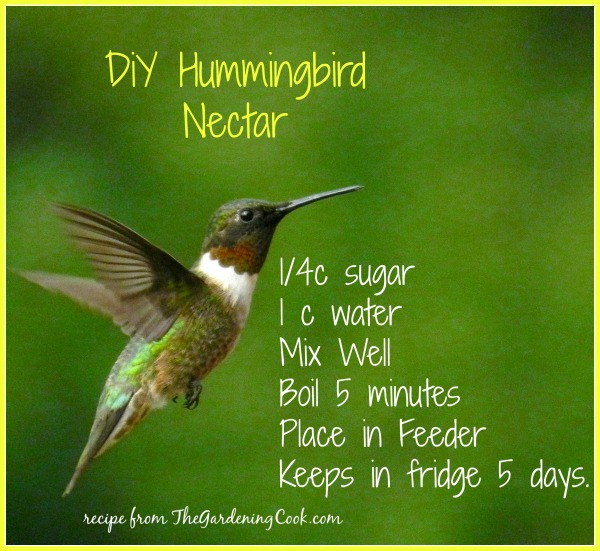
Crafting the perfect hummingbird water requires just two simple ingredients: sugar and water. Mix one part sugar with four parts water, ensuring the sugar dissolves completely. This homemade nectar mimics the natural sweetness found in flowers, providing hummingbirds with the energy they need.
When preparing hummingbird water, getting the ingredients right is crucial for attracting these beautiful creatures to your garden. You might be surprised at how simple yet specific the recipe is. Let’s delve into the essential ingredients that ensure you provide the best nourishment for your feathered visitors.Water
Start with clean, fresh water. Tap water is usually fine if it’s safe for you to drink, but avoid using distilled water as it lacks minerals. Regularly changing the water keeps it fresh and appealing to hummingbirds, preventing bacteria growth.Sugar
Granulated white sugar is the key ingredient. It closely mimics the natural nectar hummingbirds find in flowers. Use a ratio of one part sugar to four parts water. This ensures the right balance, as higher sugar concentrations can harm the birds.Avoid Additives
Resist the urge to add red food coloring or any other additives. Although the color might seem attractive, it’s unnecessary and can be harmful. Instead, use a red feeder to catch their attention safely.No Honey Or Artificial Sweeteners
Honey might seem like a natural choice, but it can ferment quickly and is unsafe for hummingbirds. Similarly, artificial sweeteners do not provide the necessary calories. Stick to plain white sugar to ensure their health and energy needs are met. Do you find yourself wondering if your hummingbird feeder is as inviting as it could be? With these essential ingredients, you’re not just feeding birds; you’re creating a safe haven for them. Your backyard can become a sanctuary where these tiny wonders thrive. Remember, a simple recipe is all it takes to make a big difference in their world.
Credit: www.facebook.com
Choosing The Right Sugar
Selecting the ideal sugar ensures hummingbird water is safe and nutritious. White granulated sugar dissolves easily, making it perfect for nectar. Avoid honey or brown sugar, as they can harm the birds.
Choosing the right sugar is crucial for creating the perfect hummingbird water. This simple ingredient can have a significant impact on the health and well-being of your feathered visitors. You might be surprised to learn that not all sugars are created equal when it comes to feeding hummingbirds. Your choice can make a big difference in attracting these delightful creatures to your garden.Why White Granulated Sugar?
White granulated sugar is the top choice for making hummingbird water. It’s readily available and mimics the natural sucrose found in flower nectar. Using other types of sugar can introduce harmful substances to hummingbirds, so it’s best to stick with this simple option.Avoid Honey And Artificial Sweeteners
Honey might seem like a natural choice, but it can be dangerous for hummingbirds. It can promote the growth of harmful bacteria. Artificial sweeteners, on the other hand, lack the necessary calories hummingbirds need for energy, making them unsuitable.The Importance Of Purity
Purity matters when selecting sugar for your hummingbird feeder. Organic and raw sugars contain impurities and iron which can be harmful. Stick to pure, white granulated sugar to ensure the safety and health of your hummingbird visitors.Measure Accurately
A precise measurement ensures the right concentration of sugar in your hummingbird water. Use a ratio of one part sugar to four parts water. This closely resembles the sugar content found in natural nectar.Learning From Experience
In my early days of feeding hummingbirds, I once used brown sugar thinking it was more natural. I quickly learned it was not ideal due to its molasses content. It taught me the importance of choosing the right sugar for hummingbirds’ health. Choosing the right sugar isn’t just a matter of preference; it’s essential for the well-being of your hummingbird guests. Have you ever experimented with different sugars in your feeder? Consider what works best for these tiny but mighty birds.Water Quality Matters
Ensuring the water quality for hummingbird feeders is crucial. Clean, safe water attracts these delicate creatures and supports their health. Contaminated water can harm hummingbirds, so maintaining purity is essential. This guide will help you provide optimal water conditions.
Why Clean Water Is Essential
Hummingbirds rely on pure water for hydration. Dirty water can carry harmful bacteria. This affects their health and well-being. Fresh, clean water encourages frequent visits to your feeder. It ensures the hummingbirds stay healthy.
Choosing The Right Water Source
Tap water is typically suitable for hummingbird feeders. It’s important to avoid distilled water. Distilled water lacks necessary minerals. Use filtered water if your tap water is unclean. This removes impurities that could harm hummingbirds.
Maintaining Water Freshness
Regularly change the water in your feeder. Stagnant water breeds bacteria. This can deter hummingbirds from visiting. Fresh water is more appealing to hummingbirds. It’s best to change the water every few days.
Preventing Contamination
Keep your feeder clean to prevent contamination. Rinse it thoroughly before refilling with fresh water. Use a mild soap or vinegar solution. This helps eliminate germs and residues. A clean feeder ensures safe drinking water for hummingbirds.
Monitoring Water Temperature
Water temperature impacts hummingbird visits. Too hot or too cold water can be unappealing. Aim for room temperature water. It’s comfortable for hummingbirds and encourages frequent visits.
Proper Mixing Techniques
Creating the perfect hummingbird water requires a bit more than mixing sugar and water. Proper mixing techniques ensure the solution is safe and beneficial for these tiny creatures. If you’ve ever watched hummingbirds hover around a feeder, you know the joy they bring. But how do you make sure they’re getting the best nourishment? Let’s dive into the details of mixing hummingbird water correctly.
Measure Ingredients Accurately
Accuracy is crucial. Use a standard cup for measuring sugar and water. The basic recipe is one part sugar to four parts water. For example, if you use one cup of sugar, mix it with four cups of water. This ratio mirrors the natural nectar found in flowers.
Why stick to this ratio? Too much sugar can harm hummingbirds, while too little may not provide enough energy. By measuring carefully, you ensure they get the right balance.
Mix Until Dissolved
Once you’ve measured your ingredients, focus on mixing. Stir until the sugar is completely dissolved in the water. This might take a couple of minutes of vigorous stirring.
If the sugar isn’t fully dissolved, it can settle at the bottom of the feeder and not reach the birds. A smooth solution is key to providing consistent nourishment.
Use Warm Water
Warm water makes dissolving sugar easier. You don’t need boiling water, just warm enough to speed up the process. This technique saves time and ensures the sugar mixes thoroughly.
Have you ever tried dissolving sugar in cold water? It takes forever. Warm water is a practical trick that makes mixing efficient and effective.
Avoid Additives
Stick to sugar and water, nothing more. Avoid adding honey, artificial sweeteners, or food coloring. These can be harmful to hummingbirds.
Why complicate things? Simple is best. Hummingbirds thrive on straightforward mixtures that mimic their natural food sources.
Cool Before Serving
Once mixed, allow the water to cool before pouring it into the feeder. Hummingbirds prefer room temperature nectar. Hot mixtures can deter them from feeding.
Would you drink something too hot on a warm day? Neither would they. Cool solutions attract more birds and keep them coming back.
By following these mixing techniques, you create a healthy, inviting environment for hummingbirds. Have you tried these methods? What changes did you notice in your backyard visitors? Share your experiences and let’s learn together.
Avoiding Additives
Crafting hummingbird water involves using pure water and sugar. Avoid additives like honey or artificial sweeteners. Mix one part sugar with four parts water for a simple, natural solution.
Preparing hummingbird water is a delightful activity that connects you with nature. A crucial aspect of creating this nectar is avoiding additives, which might seem tempting but can be harmful to these delicate creatures. Keeping it simple and pure is the key to ensuring the hummingbirds visit your feeder frequently and safely.Why Sugar Is Enough
You might wonder if plain sugar water is nutritious enough for hummingbirds. It is! Granulated white sugar mimics the sucrose found in flower nectar. It provides the energy hummingbirds need without any extra ingredients. Adding honey or artificial sweeteners can pose risks to their health.The Dangers Of Food Coloring
Some people believe red food coloring attracts hummingbirds. While it’s true that bright colors catch their eye, adding dyes can be harmful. Research shows that food coloring can cause health issues for hummingbirds. Instead, choose a red feeder to naturally draw their attention.Avoiding Preservatives
Preservatives might extend the life of nectar, but they can also be detrimental. Hummingbirds thrive on fresh and natural nectar. Regularly changing the sugar water ensures it’s safe and appealing. This simple routine will keep your feathered friends healthy and happy.Personal Experience: Keeping It Pure
I once tried adding a vitamin supplement to the hummingbird nectar, hoping to boost its nutritional value. The result? Fewer hummingbirds visited my feeder. After reverting to plain sugar water, they returned in droves. This taught me that simplicity truly works best.Questions To Consider
When creating hummingbird water, ask yourself: Are additives really necessary for their health? What impact might they have on your local hummingbird population? Thinking critically about these questions can guide you in making choices that support the wellbeing of hummingbirds in your area. Remember, you hold the power to create a safe haven for hummingbirds in your garden. Keeping their nectar simple and additive-free is a small step that makes a big difference.Storage And Shelf Life
Crafting hummingbird water requires mixing one part sugar with four parts water. Store the solution in the fridge. Use within a week for best results, ensuring freshness for the hummingbirds.
Storing and ensuring the shelf life of hummingbird water is crucial for keeping these tiny birds healthy and happy. You might wonder, how often should I change the nectar? And where should I store it? Let’s dive into some practical tips to ensure your hummingbird water stays fresh and safe.How Long Can You Store Hummingbird Water?
After preparing your hummingbird water, it’s essential to consider its shelf life. Ideally, you should replace the nectar in the feeders every 3 to 5 days. In hotter climates, it’s safer to refresh every 2 days to prevent fermentation and mold growth.Best Practices For Storing Hummingbird Water
Keep any extra hummingbird water in the refrigerator. This helps maintain its freshness and prevents bacteria. Use a clean, airtight container to avoid contamination.Signs That Hummingbird Water Has Gone Bad
Always check for signs of spoilage before refilling the feeder. Look for cloudiness or a sour smell, which are clear indicators that it’s time to discard the nectar. Have you ever noticed the water looking a bit cloudy? That’s a sign it’s gone bad and needs replacing immediately.Refrigeration Tips For Prolonging Shelf Life
Storing nectar in the fridge can extend its shelf life up to two weeks. Label the container with the date you made it, so you know when it’s time to make a fresh batch. This simple step can save you time and guesswork.Why Freshness Matters
Fresh nectar is critical for the health of hummingbirds. Old or spoiled water can harm them and deter them from returning to your garden. Would you drink sour milk? Neither should they sip on spoiled nectar. By focusing on these simple storage tips, you ensure that the hummingbirds visiting your feeders enjoy fresh and safe nectar. Remember, taking a few moments to properly store and monitor your hummingbird water can make a big difference for these delightful little creatures. How do you ensure the nectar stays fresh? Share your tips in the comments!Feeder Maintenance
Preparing hummingbird water involves mixing one part sugar with four parts water. Boil the mixture briefly to dissolve the sugar completely. Allow it to cool before filling the feeder to ensure the safety of the birds. Regularly clean the feeder to prevent mold and bacteria.
Maintaining your hummingbird feeder is crucial to ensure that these beautiful creatures have a safe and healthy source of food. Regular feeder maintenance prevents mold and bacteria from contaminating the nectar, which can be harmful to hummingbirds. It’s not just about keeping the feeder clean; it’s about creating a welcoming environment for these tiny, energetic visitors.Understanding The Importance Of Regular Cleaning
Frequent cleaning of your hummingbird feeder is essential. Over time, sugar water can ferment, attracting harmful bacteria. Regularly rinsing the feeder with warm water helps prevent this issue, ensuring the hummingbirds’ health is not compromised.Steps For Cleaning Your Feeder
Start by disassembling the feeder completely. Rinse each part thoroughly with warm water. Use a small brush to reach tight spaces and ensure all sugar residue is removed. Avoid using soap as it can leave harmful residues unless it’s thoroughly rinsed away.How Often Should You Clean The Feeder?
The frequency of cleaning depends on the weather. During hot weather, clean the feeder every two to three days. In cooler temperatures, weekly cleaning is sufficient. Adjust the schedule if you notice any cloudiness or mold in the nectar.Inspecting For Damage
While cleaning, check the feeder for cracks or leaks. Damaged feeders can cause nectar to spoil faster. Replace any broken parts to maintain the feeder’s integrity and functionality.Refilling With Fresh Nectar
After cleaning, refill the feeder with fresh hummingbird nectar. Use a simple mixture of one part sugar to four parts water. Avoid adding food coloring as it can be harmful to the birds.Creating A Routine
Establishing a routine makes feeder maintenance easier and more efficient. Choose specific days for cleaning and refilling. Consistency ensures you provide a reliable food source for hummingbirds.Engaging With Nature
Maintaining a feeder offers more than just nourishment for birds. It provides you with the joy of watching hummingbirds thrive in your garden. Have you noticed any changes in the number of visitors after regular maintenance? By keeping your feeder well-maintained, you ensure that your feathered guests return again and again. A clean feeder not only attracts more hummingbirds but also demonstrates your commitment to their well-being.Attracting Hummingbirds
Hummingbirds love sugar water made with care. Mix one part sugar with four parts hot water. Cool and fill feeders to attract these vibrant birds.
Attracting hummingbirds to your garden is both an art and a joy. These tiny, vibrant creatures are fascinating to watch as they zip around, their iridescent feathers catching the light. Creating an inviting environment for them requires understanding their needs and preferences. Preparing the right hummingbird water is a simple yet crucial step in making your garden a hummingbird haven.Understanding Hummingbird Preferences
Hummingbirds are naturally drawn to bright colors, especially red. Consider planting red flowers or using a red feeder to catch their attention. The color acts like a beacon, signaling a potential food source. In my experience, a red feeder was the game-changer that transformed my quiet backyard into a hummingbird hotspot.The Importance Of Fresh Water
Keeping the water fresh is vital. Stale or moldy water can deter hummingbirds and even harm them. Change the water every 2 to 3 days, especially in warm weather. Ensure the feeder is clean to prevent any build-up that could spoil the water.Simple Recipe For Hummingbird Water
Making hummingbird water is easy. Combine one part sugar with four parts water. Boil the mixture to ensure the sugar dissolves completely. Let it cool before filling your feeder. Avoid using honey, artificial sweeteners, or red dye, as these can be harmful.Placement Of The Feeder
Where you place your feeder can make a big difference. Hang it in a quiet area, away from predators and busy pathways. Position it near flowers or other feeders to create a friendly environment. In my garden, placing the feeder near a window allowed me to enjoy close-up views of these delightful birds.Regular Maintenance
Regularly clean your feeder to maintain a healthy environment for hummingbirds. Use a mild soap and water, rinsing thoroughly to remove any residue. A clean feeder not only attracts more birds but also keeps them safe from potential toxins. Have you ever noticed how quickly hummingbirds can empty a feeder? This rapid consumption highlights the importance of regular maintenance and refilling. By keeping their needs in mind, you can enjoy the beauty and charm of hummingbirds in your own backyard.Common Mistakes To Avoid
Creating hummingbird water requires avoiding common mistakes. Never use honey or artificial sweeteners, as they harm birds. Use only fresh, clean water mixed with white granulated sugar.
Preparing hummingbird water might seem straightforward, but small errors can lead to big problems for these delicate birds. By understanding common mistakes, you can ensure your backyard becomes a safe haven for hummingbirds. Let’s dive into some typical pitfalls and how you can avoid them.Using The Wrong Sugar
Not all sugars are equal when it comes to hummingbird nectar. You might be tempted to use honey or brown sugar, thinking they’re healthier options. Stick to plain white table sugar. Honey can promote fungus growth, and brown sugar contains impurities that may harm the birds.Skipping The Boiling Process
Boiling the water isn’t just a step—it’s a necessity. It kills potential bacteria and helps the sugar dissolve completely. If you skip this step, you risk making a concoction that could spoil quickly.Adding Artificial Coloring
Brightly colored feeders attract hummingbirds, not dyed nectar. Avoid adding red food coloring. It’s unnecessary and might even be harmful to their health.Incorrect Sugar-to-water Ratio
Getting the ratio wrong can deter hummingbirds. The ideal mix is one part sugar to four parts water. Too much sugar can lead to dehydration, while too little makes the nectar less appealing.Ignoring Feeder Cleanliness
A dirty feeder is more than an eyesore—it’s a health hazard. Clean your feeder regularly to prevent mold and bacteria build-up. Neglecting this can turn a safe space into a danger zone.Placing Feeders In The Wrong Location
Where you place your feeder matters. Avoid direct sunlight to keep the nectar fresh longer. Also, think about visibility. Hummingbirds need to spot the feeder easily, but you also want to keep it safe from predators. By being aware of these common mistakes, you create a welcoming environment for hummingbirds. What adjustments can you make to ensure these tiny creatures visit your garden more often? Remember, each step you take makes a difference in their survival and enjoyment.
Credit: empressofdirt.net

Credit: www.pinterest.com
Frequently Asked Questions
What Ingredients Do I Need For Hummingbird Water?
To prepare hummingbird water, you’ll need clean water and white granulated sugar. Avoid using honey, artificial sweeteners, or food coloring. Mix one part sugar with four parts water for the correct ratio. This simple solution mimics the natural nectar found in flowers, providing essential energy for hummingbirds.
How Often Should I Change Hummingbird Water?
Change hummingbird water every 2 to 3 days, especially in warm weather. This prevents mold and bacteria growth, ensuring a safe environment for the birds. Regularly refreshing the solution helps attract more hummingbirds and maintains their health by offering a clean, uncontaminated source of nourishment.
Can I Use Tap Water For Hummingbird Nectar?
Yes, you can use tap water for hummingbird nectar, but consider its quality. If your tap water is safe for drinking, it’s suitable for hummingbird nectar. If unsure, use filtered or bottled water. Avoid distilled water, as it lacks essential minerals that help hummingbirds metabolize the sugar.
Is It Okay To Add Red Dye To Hummingbird Water?
No, avoid adding red dye to hummingbird water. Red dye can be harmful to hummingbirds and is unnecessary for attracting them. Most feeders are designed with red parts to attract birds. Stick to the natural sugar-water solution for a safe and healthy feeding experience.
Conclusion
Creating hummingbird water is simple and rewarding. Just mix sugar and water. Use the right ratio for a perfect nectar. This homemade solution attracts hummingbirds to your garden. No need for red dye or additives. Clean the feeder regularly for their health.
Enjoy watching these beautiful birds thrive. Invite nature’s wonder into your backyard. Keep their water fresh, and they will return often. With these tips, your garden will buzz with activity. Delight in the charm of hummingbirds right at home. Happy birdwatching!