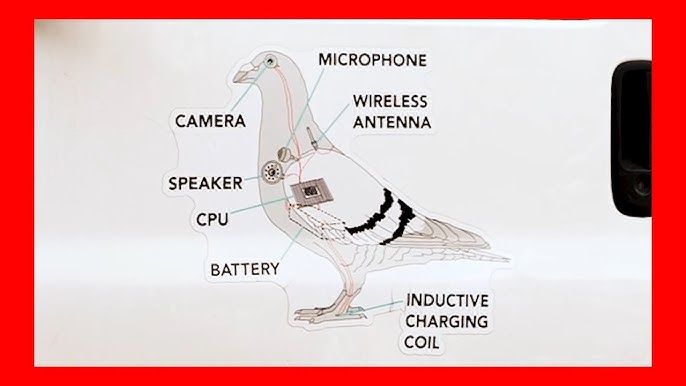
Have you ever looked up at the sky and wondered if everything is as it seems? “The Birds Aren’t Real” is not just a quirky phrase; it’s a movement that’s capturing the curiosity of thousands.
Imagine a world where the chirping you hear isn’t what you think it is. Could you be living in a reality where the birds that fly so freely are something entirely different? You’re about to dive into a topic that challenges your perception and invites you to question the ordinary.
As you read on, prepare to uncover a conspiracy theory so fascinating that it might just change the way you see the skies forever. Are you ready to have your curiosity sparked and your mind blown?
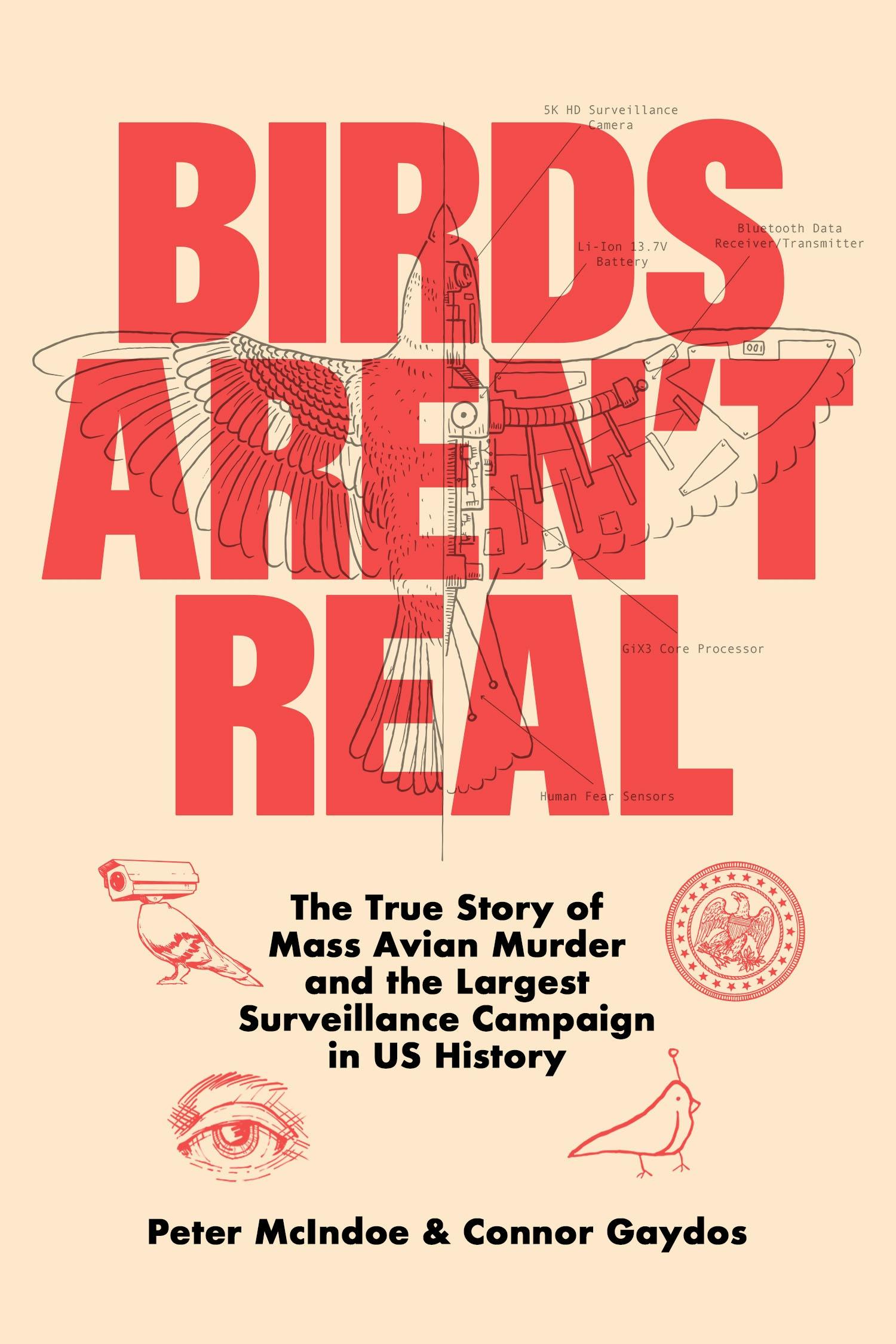
Credit: us.macmillan.com
Origins Of The Theory
The “Birds Aren’t Real” theory has taken the internet by storm, capturing the curiosity of many. It’s a fascinating blend of humor, satire, and conspiracy. But how did this bizarre movement come into existence? Let’s dive into the origins of this peculiar theory.
Birth Of A Satirical Movement
In 2017, a young college student named Peter McIndoe ignited the “Birds Aren’t Real” movement. It started as a prank during a protest in Memphis, Tennessee. Holding a sign that boldly claimed “Birds Aren’t Real,” McIndoe unwittingly gave birth to a satirical revolution.
His aim was simple: to highlight the absurdity of conspiracy theories by creating an even more absurd one. The idea caught fire on social media, resonating with those who appreciated its tongue-in-cheek critique of misinformation. Have you ever thought about how such a wild idea could catch on so quickly?
Key Figures And Influencers
While Peter McIndoe is the face of the movement, other key figures have helped propel it into the mainstream. Social media influencers and content creators played a significant role. They shared videos and memes, amplifying the theory’s reach and creating an online community.
People like TikTok creator @birdsarentreal_official have embraced the theory, creating engaging content that blends humor with satire. Their efforts have sparked conversations and debates, drawing in those who might not typically engage with conspiracy theories. Could it be that humor is a more effective tool for education than we realize?
This movement has even caught the attention of traditional media, sparking interviews and articles exploring its origins. It’s a testament to the power of satire and the internet’s role in shaping modern discourse. As you explore this theory, consider how it reflects broader societal trends.

Credit: www.amazon.com
Core Beliefs
The “Birds Aren’t Real” movement challenges our understanding of birds. It claims that birds we see today aren’t real. Instead, they are elaborate machines. These beliefs have sparked curiosity and debate. People question if birds are natural creatures. The movement presents intriguing theories. Let’s explore these core beliefs.
Mechanical Birds Concept
One key belief is the mechanical birds concept. Supporters say birds are complex drones. They mimic real birds’ behaviors. These machines fly, chirp, and even build nests. Their appearances are deceptive. People believe these machines are skillfully crafted. They claim technology powers them. The theory suggests advanced engineering.
Government Surveillance Claims
The movement ties birds to government surveillance. It suggests birds are tools for spying. They gather information on citizens. The belief is that birds transmit data back. They allegedly record conversations and track movements. This idea fuels suspicion of governments. It questions our privacy and freedom. People wonder if they are always watched.
Spread And Popularity
The Birds Aren’t Real movement has gained significant traction, captivating audiences across the globe. Initially perceived as a satirical conspiracy theory, it has evolved into a cultural phenomenon. Its spread and popularity are largely fueled by clever online strategies and engaging community activities.
Social Media Impact
Social media platforms have played a crucial role in amplifying the Birds Aren’t Real message. You might have stumbled upon quirky memes or humorous videos debunking the existence of birds. These posts spark curiosity and debate. They are shared, liked, and commented on by thousands, creating a ripple effect. Have you ever shared something just because it made you laugh, only to find out it had a deeper message? That’s the power of social media.
Engaging hashtags and interactive stories keep the conversation going. As you scroll through your feed, you might notice how the movement encourages participation. It invites you to question everyday occurrences, turning ordinary bird sightings into intriguing discussions. This constant interaction keeps the topic alive and thriving.
Merchandising And Marketing
The Birds Aren’t Real movement capitalizes on clever merchandising and marketing strategies. Walk into any event related to the movement, and you’ll see people sporting quirky T-shirts, hats, and stickers. These items not only serve as conversation starters but also as badges of belonging. Have you ever worn a shirt that sparked a conversation you didn’t expect?
Creative marketing campaigns further boost the movement’s popularity. Think of pop-up events, engaging interviews, and eye-catching billboards. Each initiative is designed to provoke thought and encourage participation. It’s not just about selling merchandise; it’s about creating a community. This sense of belonging and shared humor makes you part of something bigger.
Are you intrigued by the idea of questioning the ordinary? The Birds Aren’t Real movement invites you to explore and engage in a unique cultural experience. As you delve deeper, you’ll find that it’s not just about birds—it’s about challenging perceptions and embracing new ideas.
Public Reactions
‘The Birds Aren’t Real’ movement has sparked curiosity and humor among the public. Many people enjoy the satire and clever conspiracy theory. Others are fascinated by the group’s creative approach to challenging societal norms.
When it comes to the phenomenon of “The Birds Aren’t Real,” public reactions are as varied as the species it claims to debunk. This satirical conspiracy theory suggests that birds are actually surveillance drones. It has sparked a range of responses, from skepticism to outright support.Skepticism And Criticism
Many people approach “The Birds Aren’t Real” with a healthy dose of skepticism. They question the plausibility of replacing millions of birds with drones without public awareness. Critics often point to scientific facts about bird biology and migration patterns that contradict the theory. Some argue that the movement undermines genuine conspiracy theories by trivializing them. They worry that it distracts from real issues by making a mockery of legitimate concerns. Have you ever wondered how a joke could become a widespread belief?Supporters And Enthusiasts
Despite skepticism, the movement has garnered a surprising number of supporters. Enthusiasts appreciate its humor and irony, using it as a tool for social commentary on surveillance culture. They engage with the theory through memes, social media, and even protests, making it a viral sensation. Supporters find community in shared laughter and absurdity. They use the movement to question the nature of truth and challenge authority in a playful manner. Could humor be the most powerful weapon against misinformation? In my own experience, discussing “The Birds Aren’t Real” with friends often leads to lively debates. It’s fascinating to see how a satirical idea can spark meaningful conversations about privacy and technology. What are your thoughts on using satire to address serious topics?Cultural Impact
The Birds Aren’t Real movement began as a satirical conspiracy theory. It suggests that birds are government surveillance drones. This bizarre concept quickly gained traction online. The movement entertains and questions societal trust in institutions. Its cultural impact extends beyond humor. It influences modern memes and discussions.
Influence On Modern Humor
The Birds Aren’t Real concept reshaped modern humor. It uses absurdity to spark laughter. The idea of birds as drones is inherently funny. It plays with the ridiculousness of conspiracy theories. Memes and jokes featuring this theme flood social media. People enjoy its playful take on serious topics. This humor resonates with younger audiences. They appreciate its clever satire.
Integration Into Popular Culture
The movement’s influence reaches various media. It appears in TV shows and podcasts. Characters often reference birds as spies. This adds a humorous twist to scenes. The concept inspires street art and graffiti. Artists depict birds with cameras for eyes. Merchandise like t-shirts and mugs features the phrase. It has become a cultural phenomenon. People recognize it instantly. The movement continues to inspire creativity. Its integration into pop culture remains strong.
Analyzing The Satire
Examining the humor behind ‘The Birds Aren’t Real’ reveals a playful take on conspiracy theories. This satire questions reality, suggesting birds are actually surveillance drones. It cleverly uses absurdity to entertain and provoke thought.
Analyzing the satire behind the “Birds Aren’t Real” movement can be both amusing and enlightening. This parody conspiracy theory suggests that birds are not real animals but rather surveillance drones created by the government. While it might sound outlandish, there’s a deeper layer of irony that highlights certain aspects of our society.Understanding The Irony
The idea that birds are government spies is absurd on the surface. Yet, it cleverly mirrors how some conspiracy theories gain traction. People often believe in something without questioning its validity simply because it’s repeated enough times. Have you ever noticed how rumors can spread like wildfire? This movement uses humor to reflect on our tendency to accept information at face value. It’s a playful nudge to remind us to question what we hear. How often do you take a moment to verify the facts before sharing them?Reflection On Society
“Birds Aren’t Real” serves as a satire of our digital age, poking fun at how surveillance has become a part of everyday life. In a world where privacy is increasingly scarce, this movement asks us to consider the extent of our surveillance. Have you ever felt like you’re being watched, even when you’re alone? It also comments on the spread of misinformation in the age of social media. In just a few clicks, an idea can reach millions, regardless of its truth. This raises the question: what responsibility do you have in curbing the spread of false information? By analyzing the satire, you gain insights into how humor can be a powerful tool to provoke thought. Perhaps next time you hear a wild theory, you’ll pause and think about its underlying message.Future Of The Movement
“The Birds Aren’t Real” movement challenges the existence of real birds, claiming they’re surveillance drones. This satirical campaign sparks curiosity and discussion, blending humor with social commentary. As awareness grows, it continues to captivate audiences, encouraging critical thinking about information and technology in society.
The “Birds Aren’t Real” movement, known for its satirical stance on government surveillance, has captured the imagination of many. As the movement evolves, questions about its future loom large. Will it continue to grow, or will it fade into obscurity? Exploring these possibilities can provide insights into how such movements adapt and persist in the digital age.Evolving Narratives
The movement’s core message—that birds are government surveillance drones—has sparked countless debates and discussions. As society becomes more aware of digital privacy issues, this narrative may shift. The movement could start addressing real concerns about surveillance, using humor as a tool for awareness. This evolution could make it more relevant and engaging for a broader audience. Imagine seeing a meme about birds that suddenly makes you think about your online privacy. It’s an unexpected twist that keeps the conversation going.Potential Legacy
The movement has already left a mark by challenging how we perceive conspiracy theories. Its legacy might lie in how it encourages critical thinking and skepticism. Future generations could look back at “Birds Aren’t Real” as a turning point in how humor and satire can influence public discourse. This legacy could inspire other movements to use creativity to engage people in meaningful discussions. Consider how often you hear about conspiracy theories today. What if more of them were approached with humor and critical thought? The movement’s legacy could set a precedent for how we engage with challenging ideas. The future of the “Birds Aren’t Real” movement is as unpredictable as it is intriguing. What do you think its next step will be? Will it evolve or remain a curious footnote in the history of internet culture? Your thoughts could shape its trajectory.
Credit: www.amazon.com
Frequently Asked Questions
What Is The Birds Aren’t Real Movement?
The Birds Aren’t Real movement is a satirical conspiracy theory. It claims that birds are government surveillance drones. It started as a social commentary on misinformation. The movement uses humor to highlight the absurdity of conspiracy theories.
Why Do People Believe Birds Aren’t Real?
Some people engage with the movement for entertainment. Others use it to critique real conspiracy theories. The movement’s humor resonates with those skeptical of misinformation. It serves as a reminder of the importance of critical thinking.
How Did Birds Aren’t Real Start?
Birds Aren’t Real began in 2017 as a satirical campaign. It was created by Peter McIndoe in the United States. The movement quickly gained traction on social media. It’s known for its humorous approach to conspiracy theories.
Is Birds Aren’t Real A Conspiracy Theory?
Yes, but it’s a parody of conspiracy theories. The movement uses humor to highlight misinformation issues. It’s not meant to be taken seriously. Instead, it encourages critical thinking about real-world conspiracies.
Conclusion
Birds Aren’t Real offers a fascinating look into conspiracy theories. It challenges what we think we know. This movement sparks curiosity and conversation. People love debating its ideas. The blend of humor and skepticism is engaging. It highlights how easily beliefs can spread online.
Whether you believe it or not, the topic intrigues many. It raises questions about truth and information. Exploring such ideas can be fun and eye-opening. Always remember to question and research claims. Stay informed and think critically.