
Imagine waking up to the soothing sound of birds chirping. It’s a melody that instantly lifts your spirits and sets a positive tone for the day.
But have you ever wondered why these avian creatures sing so joyfully? Understanding the reasons behind this beautiful symphony can transform your morning routine and deepen your connection with nature. You’ll discover the secrets behind bird songs and how they can enhance your well-being.
So, if you’re ready to uncover the magic hidden in those morning tweets, keep reading. You’ll never hear birds the same way again.
Morning Symphony
The world awakens with a melody each dawn. Birds chirp in harmony, creating a natural symphony. Their songs fill the air, greeting the new day. This morning music lifts spirits and brings joy. It’s a simple yet profound gift from nature.
The Dawn Chorus
The dawn chorus begins before sunrise. Birds sing to mark their territory. Their songs attract mates and warn rivals. Different species join in, adding to the harmony. Each bird has its unique song and rhythm. This creates a beautiful blend of sounds.
Birds And Their Morning Rituals
Birds have various morning rituals. Singing is their primary morning activity. They also preen their feathers to stay clean. Searching for food is another key task. Early morning is the best time to find insects. Birds eat to gain energy for the day.

Credit: www.youtube.com
Bird Species And Their Calls
Birds are chirping, creating a symphony in nature’s orchestra. Each species has its own unique call, adding to the vibrant chorus. These melodies not only bring joy but also help birds communicate, find mates, and warn of dangers.
Birds fill the air with their unique calls and songs. These sounds define the ambiance of nature. Each bird species has its own distinct call. Some birds use their calls to communicate. Others use them to mark territory or attract mates. Understanding bird calls can enhance your nature experience.Common Songbirds
Common songbirds brighten our days with their melodies. The American Robin is a well-known songbird. Its cheerful chirp signals the arrival of spring. The Northern Cardinal’s song is loud and clear. It sounds like a series of whistles. The House Finch produces a long, musical warble. Its song is often heard in urban areas. These birds are familiar to many and easy to spot.Unique Bird Sounds
Some birds have truly unique sounds. The Eastern Whip-poor-will calls its name in a repeated chant. This bird is often heard at night. The Mourning Dove’s call is soft and mournful. It sounds like a gentle cooing. The Great Horned Owl has a deep, hooting sound. This call is often associated with mystery and the night. These unique sounds make birdwatching exciting.Purpose Of Bird Songs
Bird songs are nature’s symphony, echoing through forests and gardens. Each note carries a purpose, beyond just a melody. Birds sing for various reasons, each song serving a unique function. Understanding these songs can reveal much about bird behavior.
Communication And Territory
Birds use songs to communicate with other birds. A song can signal the presence of food or alert others to danger. It acts like a messenger, conveying important information. Birds also sing to mark their territory. A song warns intruders to stay away. It is a vocal boundary, a declaration of space ownership. Through songs, birds maintain order and peace in their habitat.
Mating Calls
Mating calls are another purpose of bird songs. Birds sing to attract mates. Each species has unique tunes that appeal to potential partners. These songs showcase strength and vitality. A bird with a strong song is seen as a desirable mate. Mating calls are crucial for survival, ensuring the continuation of the species.
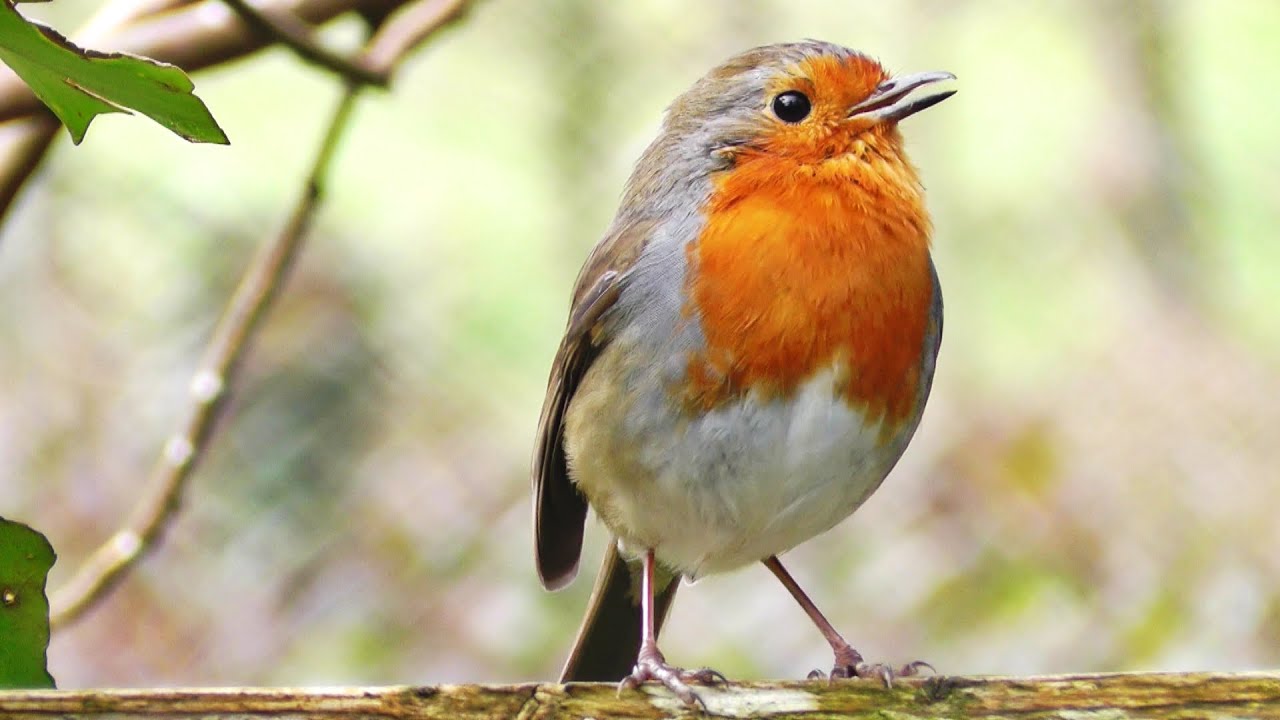
Credit: www.youtube.com
Impact On Human Life
Birds chirping bring a unique harmony to our surroundings. Their songs are a natural symphony that resonates deeply with human life. This musical interaction affects us in different ways, influencing our culture and mental well-being. Let’s explore the profound impact birds have on our lives.
Cultural Significance
Birds have been symbols in cultures worldwide. They often represent freedom and hope. Their songs inspire artists and storytellers. In many traditions, birds are seen as messengers. They connect the earthly and spiritual realms. This cultural connection enriches our lives and understanding.
Mental Health Benefits
The sound of birds chirping can improve mental health. It provides a calming effect, reducing stress. Listening to birds can boost mood and enhance relaxation. Nature sounds often aid in meditation and mindfulness practices. This natural therapy supports emotional well-being.
Listening To Birdsong
Listening to birdsong can be a soothing experience. It connects us to nature. Birdsong fills the air with melodies that calm the mind. Each bird has its unique sound and rhythm. Discovering these calls enhances outdoor adventures. It brings joy and a sense of peace. Let’s explore how to appreciate these natural symphonies.
Tips For Birdwatching
Choose a quiet spot away from city noise. Early mornings are best for birdwatching. Birds are most active at dawn. Bring binoculars for a closer view. Wear comfortable clothing that blends with nature. Avoid bright colors that might scare birds away. Move slowly and quietly to avoid startling them. Use a field guide to identify birds. Capture memories with a camera, if possible.
Identifying Bird Calls
Learn to distinguish bird calls by listening carefully. Many birds have unique sounds. Start by focusing on common birds. Memorize their calls by repetition. Use apps to help identify sounds. Record calls and compare them with online databases. Attend birdwatching groups to learn from experts. Practice regularly to improve your skills.
Conservation Efforts
Birds bring joy with their melodious chirping. Yet, their songs face threats. Conservation efforts aim to protect these beautiful creatures. These efforts focus on habitat protection and biodiversity. Let’s explore these initiatives.
Protecting Habitats
Birds need safe places to live and thrive. Urban expansion destroys many natural habitats. Conservationists work to preserve these crucial areas. They establish protected zones. These zones offer safe havens for various bird species. Wildlife corridors connect different habitats. This allows birds to move safely between regions.
Restoring damaged habitats is another key effort. Volunteers plant native trees and shrubs. These plants provide food and shelter for birds. Wetland restoration is also vital. Many birds rely on wetlands for breeding and nesting.
Encouraging Biodiversity
Diverse ecosystems support diverse bird populations. Encouraging biodiversity boosts bird survival. Conservationists promote the planting of native flora. Native plants attract insects and other small creatures. These serve as food for birds. Maintaining diverse plant life is essential for bird health.
Creating bird-friendly environments in cities is gaining attention. Urban parks and green roofs offer refuge. These areas mimic natural habitats. They attract a variety of bird species. Community involvement plays a role. People can plant bird-friendly gardens at home. This small effort can make a big difference.

Credit: stock.adobe.com
Frequently Asked Questions
Why Do Birds Chirp In The Morning?
Birds chirp in the morning for communication and territory marking. They announce their presence and attract mates. Morning chirping also signals the start of a new day, helping birds coordinate activities like feeding and nesting. This behavior is vital for their survival and social interactions.
What Does Bird Chirping Indicate?
Bird chirping indicates communication, territory defense, and mate attraction. Birds use chirps to establish dominance and warn others. Chirping can also signal danger or alert others to food sources. Understanding chirping patterns helps in identifying bird species and their behaviors.
How Can Bird Chirping Affect Humans?
Bird chirping can positively affect humans by reducing stress and improving mood. The sounds of nature, like bird chirps, are calming and promote relaxation. Listening to birds can enhance focus and concentration, making it beneficial for mental health and well-being.
Do All Birds Chirp Similarly?
Not all birds chirp similarly; each species has unique sounds. Birds have distinct calls and songs for communication. These sounds vary in pitch, rhythm, and frequency. Birdwatchers can identify species based on their chirping patterns, which differ depending on the bird’s environment and needs.
Conclusion
Birds chirping bring joy and peace to our world. Their songs connect us to nature. Listening to them can reduce stress and uplift spirits. These cheerful melodies remind us of life’s simple pleasures. Birds play an important role in our ecosystem.
They help with pollination and pest control. Caring for our environment ensures birds thrive. Encourage green spaces in your community. Plant trees and shrubs to attract them. Appreciate these feathered friends. Protect their habitats for future generations. Enjoy the beauty and harmony birds offer every day.
Their chirping is nature’s music, a gift to cherish.