Are birds constantly invading your garden or outdoor space? You’re not alone.
Birds can cause damage to plants, create messes, and even pose health risks. But what if you could use sounds to keep them away without harming them? You’ll discover simple and effective sounds that scare birds off. These sounds can protect your space and give you peace of mind.
Keep reading to learn how to use sound as your secret weapon against unwanted feathered visitors.
Bird Deterrent Sounds
Birds can be scared away using different bird deterrent sounds. These sounds make birds feel unsafe. This helps keep them away from gardens, farms, or buildings.
Types of scary soundsinclude:
- Predator calls, like hawks or owls
- Alarm calls from other birds
- Sharp noises such as loud bangs or whistles
- Electronic sounds designed to disturb birds
How sounds affect birds: Birds listen for danger. Scary sounds trigger their fear. They fly away to avoid harm. The sounds must be loud and clear to work well.
Natural vs artificial sounds:
| Natural Sounds | Artificial Sounds |
|---|---|
| Calls of predators or alarm calls | Recorded sounds played by machines |
| Often more accepted by environment | Can be repeated regularly without change |
| May lose effect if birds get used to them | Can be adjusted for volume and timing |
Common Bird Scare Sounds
Predator callsmimic the sounds of birds’ natural enemies. These sounds make birds feel dangerand fly away quickly. Common predator sounds include hawks, owls, and eagles. They are very effective in scaring many bird species.
Alarm callsare distress sounds that birds use to warn others about threats. Playing these calls can create a sense of fearamong birds. It tricks them into thinking there is a nearby predator or danger.
Ultrasonic soundsare high-pitched noises that humans cannot hear. These sounds are unpleasantto birds and can keep them away from gardens or buildings. Ultrasonic devices are safe and do not bother people.
Effectiveness Of Sound Deterrents
Birds get scared easily by sudden sounds. Loud noises like bangs or sirens work best. They fly away fast when they hear these. But birds may come back soon. They get used to the sounds quickly.
Over time, birds learn the sounds are not dangerous. They start ignoring them. This makes sound deterrents less helpful. New sounds can surprise them again. Changing sounds keeps them alert.
Different birds react differently to sounds. Some birds scare more easily. The environment also matters. Busy areas need louder sounds. Quiet places need softer sounds. The type of sound device affects results too. Keep devices in good shape for better results.

Credit: www.youtube.com
Using Sound Devices
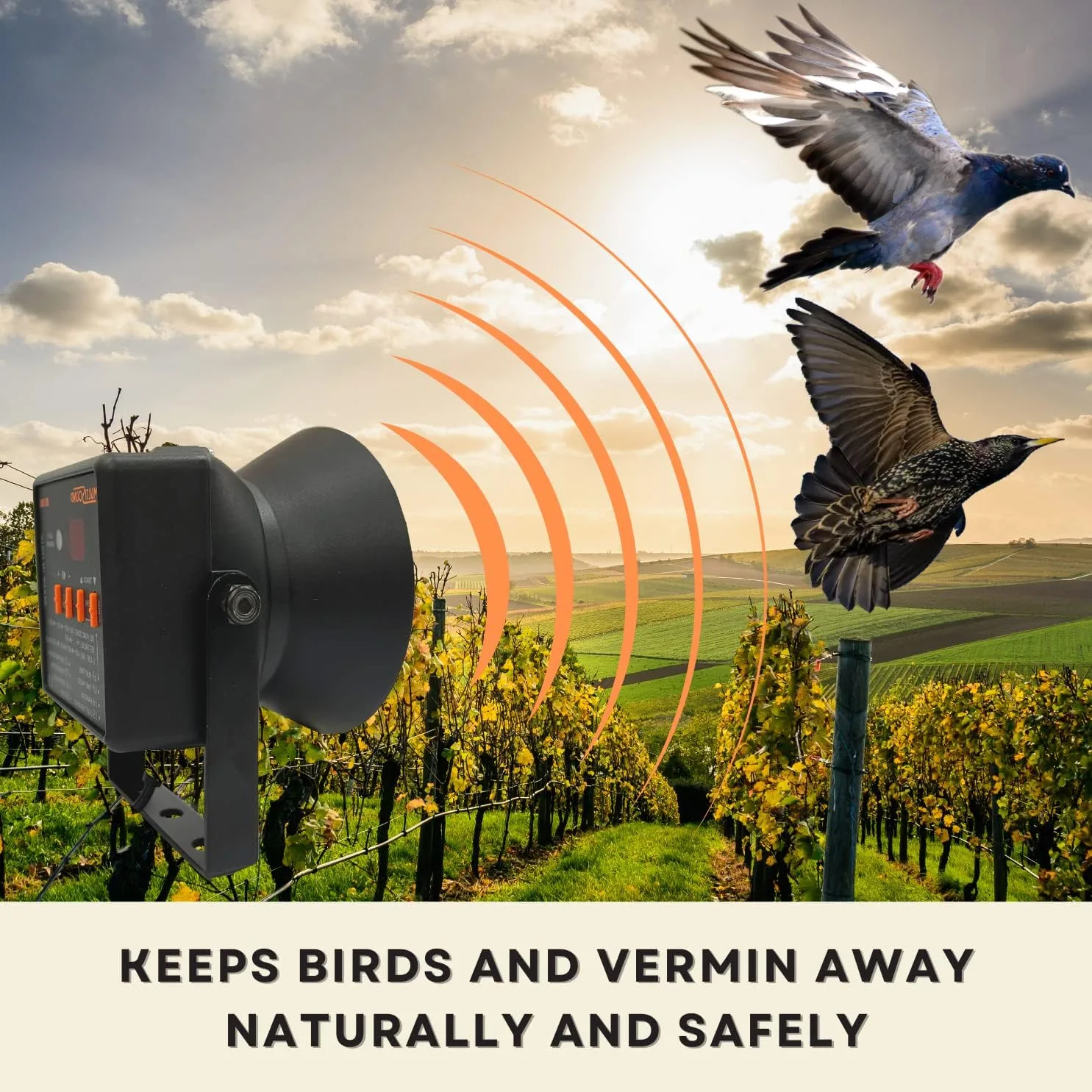
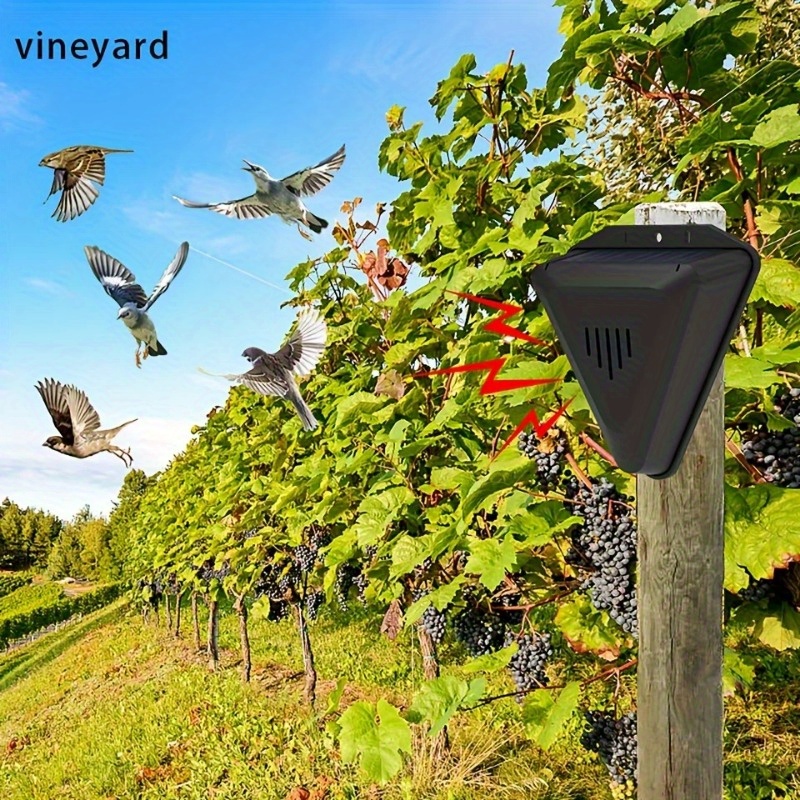
Electronic bird repellersuse sounds to keep birds away. These devices emit high-pitched noisesthat birds find unpleasant. They are safe for people and pets. Placement is key. Devices work best when spread out over the area. Sounds must be loud enough to cover the space but not disturb neighbors.
Sound systems setupinvolves choosing the right device for the size of the area. Outdoor use devices should be weatherproof. Power sources include batteries, solar panels, or plugs. Position speakers high and away from walls for better sound spread. Regular checks ensure the system works well.
- Use different sound patterns to avoid bird habituation.
- Turn devices on during bird activity times.
- Combine sounds with visual deterrents for best results.
- Keep the area clean to reduce bird attraction.
Combining Sounds With Other Methods
Visual scare tacticslike shiny objects or fake predators can keep birds away. Reflective tapes or scare balloons move with the wind, making birds feel unsafe. Fake owls or hawks can scare birds off, but they must be moved often. Birds get used to things that stay still.
Physical barriersstop birds from reaching places. Netting over fruit trees or gardens works well. Wire spikes on ledges stop birds from landing. These barriers block access without hurting birds.
Habitat modificationmeans changing the area to make it less attractive to birds. Remove food scraps and fallen fruit. Trim tree branches where birds like to rest. Clean up water sources that birds use for drinking.
Credit: connachtagri.ie
Safety And Environmental Concerns
Sounds used to scare birds can affect other animals too. These noises might stress pets, wildlife, and farm animals. Non-target animals can get scared or confused by loud or sudden sounds.
Noise pollution is a big problem. Loud sounds can disturb people and animals nearby. It can cause headaches, stress, and trouble sleeping for humans. Animals may leave their homes or stop eating.
| Legal Regulations | Details |
|---|---|
| Noise Limits | Many areas have rules about how loud sounds can be. |
| Time Restrictions | Some places limit bird scare sounds to daytime only. |
| Protected Species | Sounds must not harm or disturb protected animals. |
Choosing The Right Sound Solution
Different bird speciesrespond to sounds in unique ways. Some birds are scared by predator calls, while others avoid sudden noises. Identifying the specific birds causing problems helps pick the best sound deterrent. For example, pigeons react to hawk calls, but sparrows might ignore them.
Site conditions affect sound choice too. Open areas allow sounds to travel far, but walls or trees can block noise. Choose devices that fit the environment for better results. Consider how often people visit the site, too, to avoid disturbing neighbors.
| Cost Aspect | Maintenance Needs |
|---|---|
| Initial price varies by device type | Regular checks keep sounds effective |
| Some sound systems are low cost | Battery changes or charging may be needed |
| Higher-priced models offer more features | Cleaning and placement adjustments help |
Credit: www.temu.com
Frequently Asked Questions
What Sounds Are Best To Scare Birds Away?
Loud noises like predator calls, distress calls, and ultrasonic sounds work well to scare birds.
How Do Ultrasonic Bird Repellents Work?
Ultrasonic devices emit high-frequency sounds that birds hear but humans do not, keeping birds away.
Can Bird Distress Calls Effectively Keep Birds Away?
Yes, distress calls mimic bird danger signals, making birds feel unsafe and avoid the area.
Are Predator Sounds Safe To Use Around Homes?
Yes, predator sounds like hawk or owl calls scare birds but do not harm them or humans.
Conclusion
Sounds that scare birds can protect your garden and crops well. Using the right noises keeps birds away without harm. Changing sounds often helps avoid bird habits. Simple tools with these sounds work best for many people. Try different sounds to find what fits your space.
Keep your plants safe and enjoy peaceful outdoor time. Birds stay away, and your garden stays healthy. This method is natural, easy, and effective to try.