
Are you tired of birds eating your fruits, digging up your plants, or leaving droppings all over your garden? You’re not alone.
Birds can be charming to watch, but when they start damaging your hard work, it’s frustrating. The good news is, you don’t have to give up your garden or use harsh chemicals to keep them away. You’ll discover simple, effective ways to protect your garden and enjoy your outdoor space without unwanted feathered visitors.
Keep reading, and you’ll learn how to make your garden a no-go zone for birds—while keeping it healthy and beautiful.
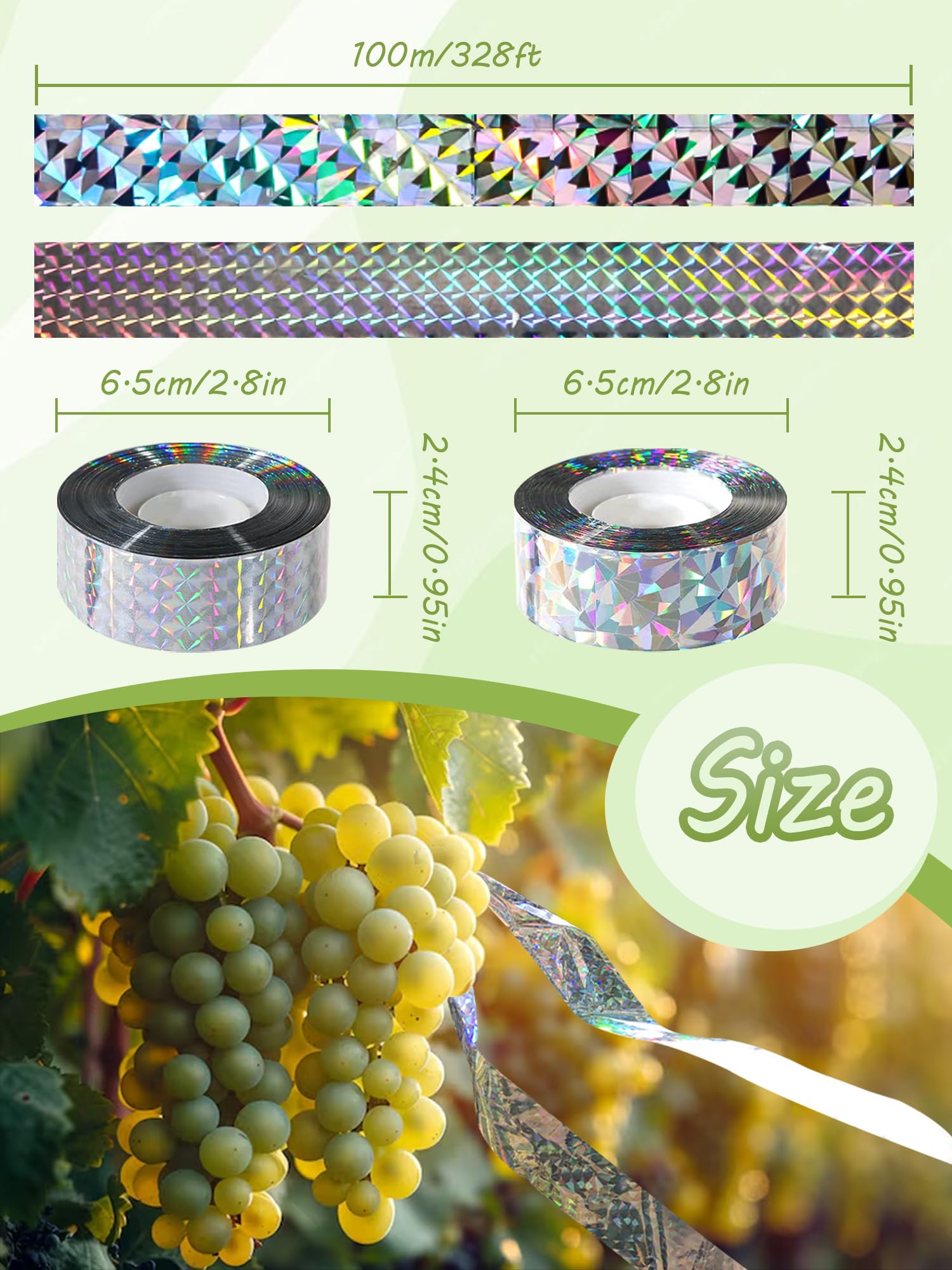
Credit: www.amazon.ca
Common Birds That Invade Gardens
Birds like sparrows, pigeons, starlings,and crowsoften invade gardens. These birds look for food and shelter. They eat fruits, seeds, and young plants. This causes damage to cropsand flowers.
Birds are attracted by the abundance of foodin gardens. Soft fruits and seeds are easy to find. Gardens also provide safe places to build nests. Some birds like worms and insects, which are also in gardens.
| Type of Bird | Common Damage |
|---|---|
| Sparrows | Eat seeds, damage seedlings |
| Pigeons | Eat fruits, spread droppings |
| Starlings | Destroy fruits and berries |
| Crows | Dig up plants, eat seeds |

Credit: www.amazon.ca
Physical Barriers To Protect Plants
Netting and mesh coverscreate a strong barrier around plants. They stop birds from reaching fruits and flowers. Choose lightweight netting with small holes to keep even tiny birds out. Secure the edges well to prevent gaps where birds can sneak in.
Garden fencing can protect plants from larger birds. Use wire mesh or chicken wire fences at least 3 feet tall. This keeps birds away while still letting sunlight and rain through. Make sure the fence is firmly fixed into the ground to stop birds from crawling underneath.
- Reflective objectsscare birds by confusing their eyes.
- Use old CDs, shiny tape, or aluminum foil strips near plants.
- Move them often so birds don’t get used to them.
- Reflective objects work best with wind, creating flashes of light.
Natural Bird Repellents
Some plants can help keep birds away. Lavender and Mint are great choices. Birds dislike their strong smell. Chili pepper plants can also be effective. Birds avoid them due to their spicy nature. Marigolds can repel birds too. Their bright colors and scent act as natural deterrents. These plants are easy to grow in gardens. They need sunlight and regular watering.
Make sprays at home using simple ingredients. Mix water and vinegar in a spray bottle. Spray on plants to keep birds away. Use garlic and chili powder in water. Let it sit overnight. Spray around your garden. Essential oils like peppermint can work well. Mix with water and spray. These solutions are safe and easy to prepare.

Credit: www.amazon.ca
Sound And Visual Deterrents
Ultrasonic devices send out high-frequency soundsthat birds cannot like. These sounds are quiet for humansbut annoying for birds. Place devices near plants to keep birds away.
Scarecrows and decoys look like real predators. Birds get scared and avoid the garden. Move them around to keep birds guessing.
- Wind chimescreate noise that birds dislike.
- Reflectorsshine bright light and scare birds.
- Use shiny tapes or old CDs to reflect sunlight.
Safe Chemical Repellents
Non-toxic sprays use natural ingredients to keep birds away. These sprays are safe for plants and pets. Common ingredients include garlic, pepper, and vinegar. Spray plants evenly to create a protective layer. Avoid spraying on windy days to prevent drift. Reapply after rain or watering to maintain effectiveness.
Correct application is key to success. Spray early in the morning or late in the evening for best results. Cover all areas where birds land or feed. Avoid overuse to protect beneficial insects. Follow label instructions carefully for safe use.
Garden Maintenance Tips
Removing food sourcesis key to keeping birds away from your garden. Birds come for easy meals like fallen fruit, seeds, and pet food. Clear away any dropped fruits or vegetables quickly. Keep compost bins covered tightly to avoid attracting birds. Store pet food indoors or clean feeding areas after use to stop birds from visiting.
Keeping the garden cleanhelps reduce bird visits. Rake leaves and debris regularly to remove hiding spots. Trim back dense bushes where birds like to rest. Remove bird nests if found early in the season to discourage return. Clean water sources often to prevent standing water that attracts birds.
Combining Methods For Best Results
Creating a bird-resistant environmentmeans using several tools together. Cover plants with nets or row covers to block birds. Place shiny objects like CDs or aluminum foil strips that move with the wind. Use scare devices such as fake owls or snakes to frighten birds away. Keep the garden clean and remove fallen fruits that attract birds. Plant bird-repellent herbs like lavender or mint around your garden edges.
Monitoring and adjusting strategies is key. Watch how birds react to each method. Change scare devices’ positions often to keep birds unsure. Replace worn-out nets and covers. Mix different methods to increase effectiveness. Keep notes on what works best for your garden. Stay patient and consistent. This helps keep birds away without harming them.
Frequently Asked Questions
How Can I Naturally Keep Birds Away From My Garden?
Using plants birds dislike, like marigolds or lavender, helps keep them away naturally.
What Are Safe Homemade Bird Repellents For Gardens?
Mix water with chili powder or vinegar spray to deter birds without harm.
Do Reflective Objects Help In Scaring Birds From Gardens?
Yes, shiny objects like CDs or aluminum foil scare birds by reflecting light.
Conclusion
Keeping birds away from your garden takes patience and simple steps. Use noise, visuals, and safe barriers to protect plants. Change methods often to keep birds guessing. Healthy plants grow best without bird damage. Enjoy your garden with less worry and more peace.
Small efforts bring big results over time. Stay consistent and watch your garden thrive.