
Are you tired of ants invading your hummingbird feeder and ruining the sweet nectar your feathered friends love? You’re not alone.
Those tiny, persistent ants can turn your beautiful backyard oasis into a frustrating battleground. But don’t worry—there are simple and effective ways to keep ants away without harming the hummingbirds. You’ll discover easy tips and tricks that will help you protect your feeder and enjoy watching hummingbirds in peace.
Keep reading, and say goodbye to ants for good!
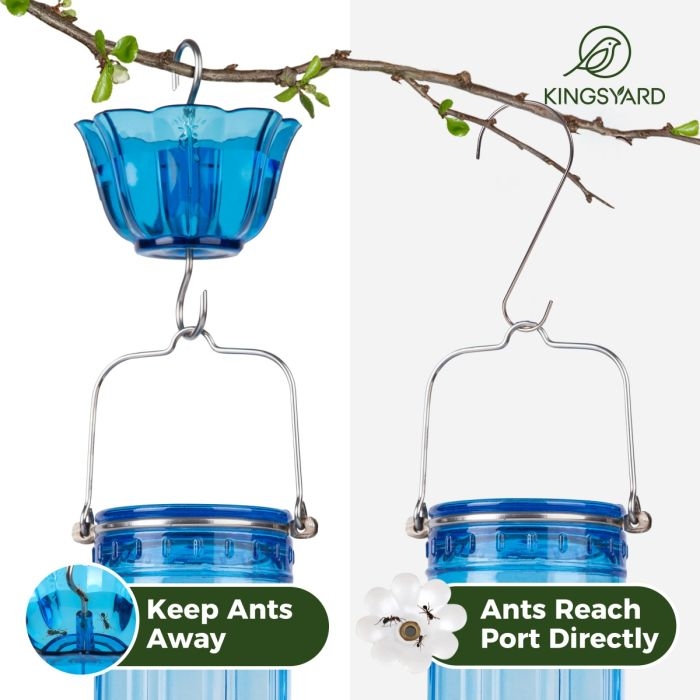
Credit: www.kingsyard.com
Why Ants Are Attracted To Feeders
Ants are drawn to hummingbird feeders because of the sugar water. This sweet liquid is a great food source for them. Ants can smell the sugar from far away. They follow the scent trail straight to the feeder.
Warm weather also makes ants more active. They search for food to bring back to their nest. The feeder provides an easy meal, so ants gather in large numbers. Ants can quickly cover the feeder and block the hummingbirds from feeding.
Ants are small and can crawl through tiny holes. They often find their way inside the feeder’s ports or tube. This makes it hard to keep them away. Their presence can also spoil the sugar water and annoy the hummingbirds.
Choosing Ant-resistant Feeders
Choosing the right feeder helps keep ants awayfrom hummingbird feeders. Ant-resistant feeders have special designs that stop antsfrom reaching the nectar. Some feeders use a built-in ant moat, a small water barrier that ants cannot cross. Others have smooth surfacesthat ants find hard to climb.
Materials also matter. Feeders made from glass or plasticwith a glossy finish are easier to clean and less attractive to ants. Avoid rough or sticky surfaces that can trap ants.
- Look for feeders with ant moatsor water guards.
- Choose easy-to-cleanfeeders.
- Pick feeders with few creviceswhere ants hide.
- Use feeders with bright colorsto attract hummingbirds, not ants.
Using Ant Moats And Barriers
Ant moatsare small cups filled with water that hang above the feeder. Ants cannot cross water, so they stay away from the nectar. These moats act as a simple barrierand protect the feeder without harming the birds.
Another way is to use sticky barriers. Apply a thin layer of non-toxic sticky substancearound the feeder pole. This traps ants trying to climb up. Make sure the sticky stuff is safe for birds and easy to clean.
- Keep the feeder clean to avoid attracting ants.
- Refill the moat regularly to ensure water does not dry out.
- Check sticky barriers often and reapply if needed.
Natural Repellents To Try
Try using vinegar. Ants hate vinegar. Mix it with water. Spray it around the feeder. This keeps ants away.
Use cinnamon powder. Sprinkle it near the feeder. Ants dislike the smell. This will help keep them away.
Mint leaves are useful. Ants find mint unpleasant. Place leaves around the feeder. This should deter ants effectively.
Try lemon juice. Mix with water. Spray around the feeder. Ants don’t like citrus. This can be very helpful.
Use coffee grounds. Ants hate coffee smell. Scatter it near the feeder. This helps keep them away.
Maintaining Clean Feeders
Keeping your hummingbird feeder clean is key to avoiding ants. Empty the feeder and rinse it every few days. Use warm water and mild soapfor cleaning. Avoid strong chemicals that can harm birds.
Make sure to clean the feeding ports and basewell. Sticky residue attracts ants. Dry the feeder completely before refilling with fresh nectar.
- Check for cracks where ants can hide.
- Move the feeder regularly to stop ants from finding it.
- Use a soft brush to scrub hard-to-reach spots.

Credit: www.facebook.com
Placement Tips To Avoid Ants
Place your hummingbird feeder away from trees and bushes. Ants often use branches as bridges. Hang the feeder on a thin wire or pole that ants cannot climb easily. Keep the feeder at least 5 feet away from any surface ants can use. Use a feeder with an ant moat. This small water barrier stops ants from crossing. Clean any spilled nectar quickly to avoid attracting ants. Check the feeder regularly for cracks or holes where ants can enter. Move the feeder often to confuse ants and stop them from settling nearby.
When To Replace Feeder Components
Replace feeder parts regularly to keep ants away. Sugar water can grow mold quickly. Mold attracts ants and harms hummingbirds.
Check the feeder for cracks or sticky spots daily. Clean sticky areas with warm water and a soft brush. Replace the feeder if cracks appear. Cracks let ants climb inside easily.
Change the feeder components every 2-3 weeks in hot weather. Cooler weather may allow longer use but watch for dirt and mold. Always keep the feeder clean and dry.
- Replace feeder ports and perches if sticky or damaged
- Use new nectar every 3-4 days in warm weather
- Wash feeder parts with mild soap and rinse well
- Inspect ant guards and replace if broken

Credit: www.farmhouse40.com
Frequently Asked Questions
How Do Ants Get Into Hummingbird Feeders?
Ants are attracted to the sweet nectar inside feeders. They crawl along the feeder’s parts to reach the nectar. Without barriers, ants easily invade hummingbird feeders.
What Natural Methods Keep Ants Off Feeders?
Use natural deterrents like cinnamon, vinegar, or peppermint oil near feeders. These scents repel ants without harming hummingbirds. Regularly cleaning feeders also prevents ant attraction.
Can Ant Moats Protect Hummingbird Feeders?
Yes, ant moats filled with water create a barrier ants can’t cross. They effectively keep ants away from nectar while allowing hummingbirds to feed safely.
How Often Should I Clean My Hummingbird Feeder?
Clean feeders every 3 to 4 days in warm weather. This prevents mold, bacteria, and ant infestations. Use hot water and mild soap for best results.
Conclusion
Keeping ants off your hummingbird feeder protects the nectar and birds. Use barriers like sticky tape or water moats to stop ants. Clean the feeder regularly to avoid sticky spots that attract ants. Place feeders away from ant trails and plants that ants like.
These simple steps help you enjoy watching hummingbirds without ant trouble. Stay patient and consistent for best results. Your hummingbirds will thank you with their bright visits and sweet songs.