
If you love watching birds flutter around your garden, hanging a bird feeder is one of the best ways to invite them closer. But how do you make sure your feeder is in the perfect spot?
Where should you hang it so the birds feel safe and comfortable? You might be surprised how small changes can make a big difference in attracting more feathered friends. In this guide, you’ll discover simple, practical tips to hang your bird feeders the right way.
By the time you finish reading, you’ll know exactly how to create a welcoming space that keeps birds coming back again and again. Let’s get started!
Credit: www.natureswaybirds.com
Choosing The Right Feeder
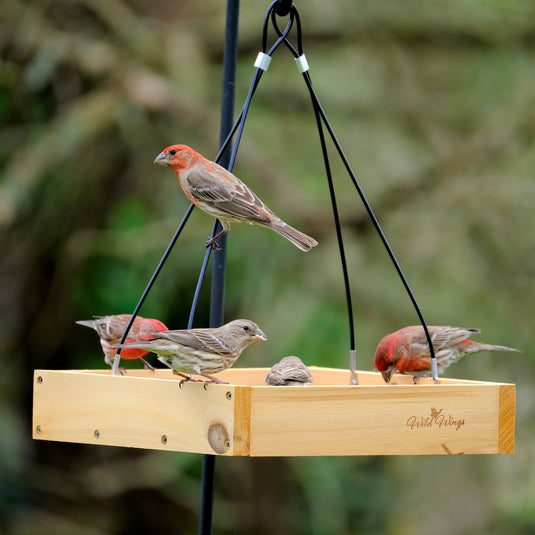
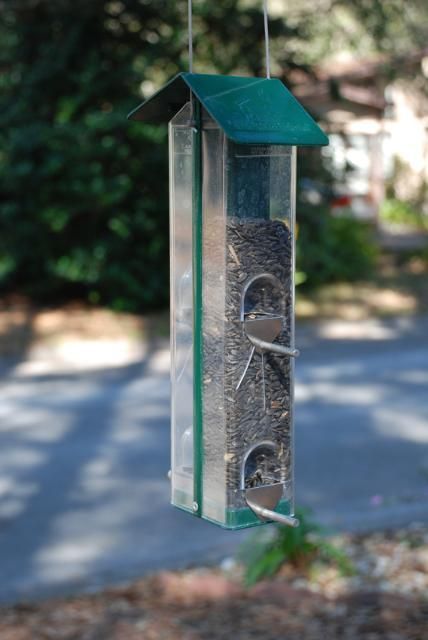
Bird feeders come in many types, each suits different birds. Tube feeders attract small birds like finches. Platform feeders work well for larger birds like doves. Hopper feeders hold a lot of seed and protect it from rain. Suet feeders are great for woodpeckers and nuthatches.
| Material | Durability | Notes |
|---|---|---|
| Plastic | Less durable | Lightweight and affordable |
| Metal | Very durable | Resists weather and squirrels |
| Wood | Moderate durability | Blends well in nature |
Choose feeder size based on how many birds visit. Small feeders hold less seed and need frequent refilling. Large feeders hold more seed and attract many birds. Match feeder size with your backyard space and bird activity.

Credit: www.rabbitrailsupply.com
Selecting The Best Location
Choose a spot where birds feel safe from predators. Avoid places near cats or squirrels. Trees or poles work well if they have some space around.
Make sure the feeder is easy for birds to see. Place it where birds can spot food quickly. Open areas near bushes or trees are great.
| Sunlight | Weather |
|---|---|
| Place feeders where they get morning sunlight. It warms birds early. | Pick a spot shielded from strong wind or heavy rain. |
| Avoid direct hot afternoon sun to keep seeds fresh. | Consider a small roof or cover for extra protection. |
Proper Mounting Techniques
Using poles and hangersis a common way to mount bird feeders. Poles should be tall enough and placed in open areas. This keeps feeders safe from cats and other animals. Hangers can be hooked on branches or porch ceilings. Ensure the hanger is strong and steady to hold the feeder’s weight.
Attaching feeders directly to trees and structuresis another option. Use straps or brackets that do not harm the tree bark. Secure the feeder tightly to avoid swinging or falling. Structures like fences or walls also work well if stable and sturdy.
Ensuring stability and securityis key for successful bird feeding. Check mounts regularly to keep them firm. Use weather-resistant materials to prevent rust and damage. Proper mounting protects birds and keeps feeders in place through wind and rain.
Filling And Maintaining Feeders
Choose a sturdy spot to hang your bird feeder, away from predators and strong winds. Regularly refill feeders with fresh seeds and clean them to keep birds healthy and happy.
Choosing The Right Birdseed
Pick seeds birds love. Sunflower seeds are a great choice. They attract many bird types. Mix seeds for variety. Look for quality seeds. Fresh seeds are best. Avoid cheap fillers. Birds need nutrition. Healthy seeds make happy birds.
Regular Cleaning Tips
Clean feeders often. Use warm soapy water. Rinse thoroughly. Let them dry completely. Clean every two weeks. Dirty feeders spread germs. Birds can get sick. Check for mold. Mold harms birds. Keep feeders safe and clean.
Preventing Mold And Spoilage
Keep feeders dry. Wet seeds mold quickly. Use covered feeders when it rains. Remove wet seeds right away. Store extra seeds in a dry place. Seal bags tightly. Check seeds for freshness. Fresh seeds keep birds healthy.
Attracting Different Bird Species
Different birds like different seed types. Sunflower seeds attract cardinalsand chickadees. Nyjer seeds are great for finches. Peanuts bring in woodpeckersand jays. Mixed seeds work well for many birds, but some may avoid them.
Water is importantfor birds. A birdbath or a small fountain helps birds stay hydrated. Moving water catches their attention more than still water. Keep the water clean and fresh to prevent illness.
Creating a bird-friendly space means safeplaces to rest and hide. Plant native shrubs and trees. These provide shelter and food. Avoid using pesticides, which can harm birds. Placing feeders near cover gives birds a quick escape from predators.
Credit: edis.ifas.ufl.edu
Frequently Asked Questions
How High Should I Hang My Bird Feeder?
Hang feeders about 5 to 6 feet above ground to keep birds safe from predators.
What Location Is Best For Hanging Bird Feeders?
Choose a quiet spot with some nearby trees or shrubs for shelter and bird safety.
How Do I Keep Squirrels Away From Bird Feeders?
Use squirrel baffles or place feeders away from jumping points to reduce squirrel visits.
Conclusion
Hanging bird feeders brings birds closer to your home. Choose a safe spot that is easy to reach. Use sturdy hooks or poles for support. Keep feeders clean to protect bird health. Watch and enjoy different birds visiting often. Small efforts create a lively backyard scene.
Start hanging feeders today and attract nature’s beauty.