If you have a finch bird or are thinking about getting one, you want to make sure it stays happy and healthy. Taking care of a finch isn’t as hard as you might think, but there are some important things you need to know.
From feeding to creating the perfect home, each step matters for your feathered friend’s well-being. Keep reading, and you’ll discover simple tips that will help your finch thrive every day. Your bird’s happiness starts with you!

Credit: www.amazon.com
Choosing The Right Finch
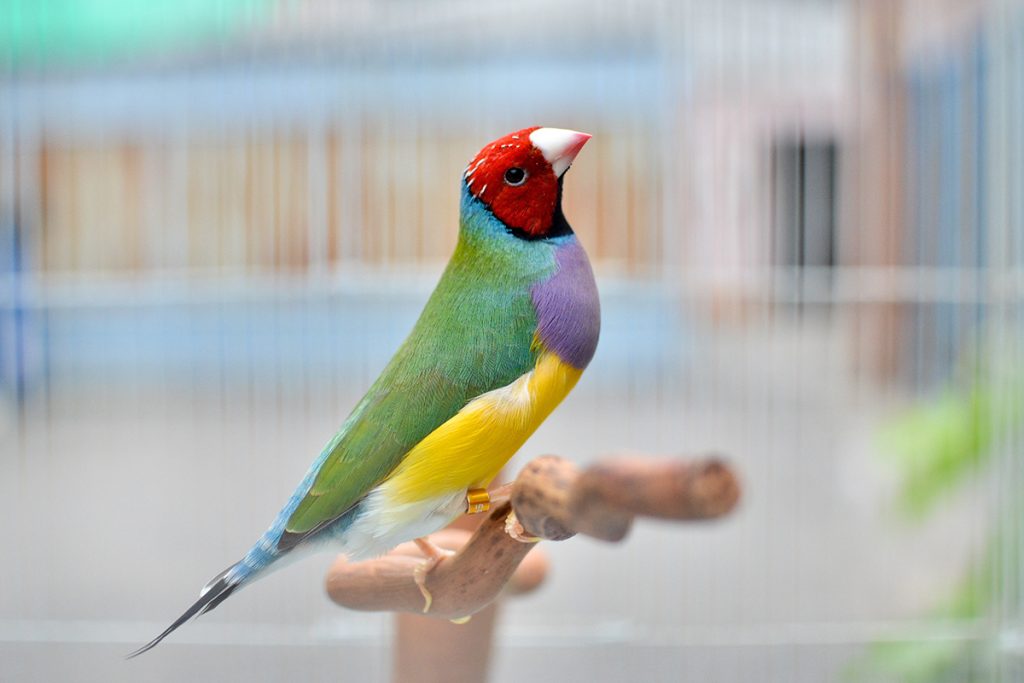
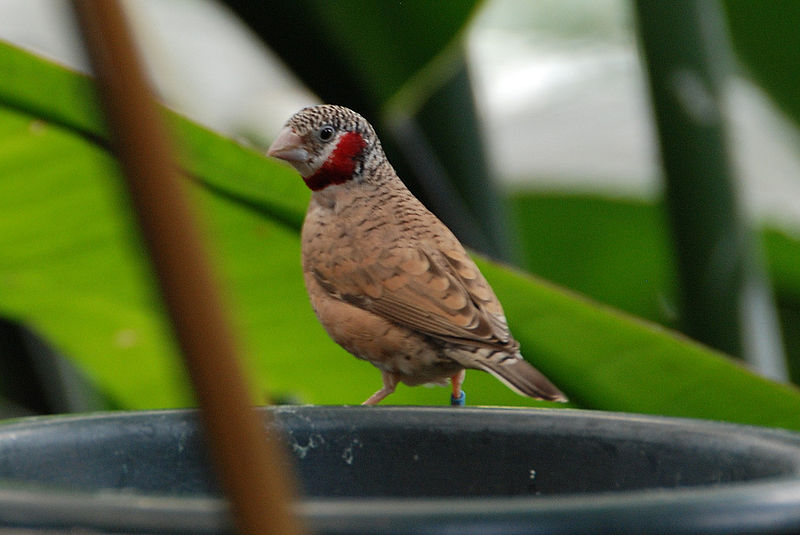
Some popular finch speciesinclude the Zebra Finch, Society Finch, and Gouldian Finch. Each species has unique colors and sounds. Choose a finch that fits your space and care ability.
| Finch Species | Color | Temperament | Care Level |
|---|---|---|---|
| Zebra Finch | Gray and white with orange beak | Active and social | Easy |
| Society Finch | Varied colors, mostly brown and white | Calm and friendly | Easy |
| Gouldian Finch | Bright green, red, yellow, and blue | Shy but beautiful | Moderate |
Selecting a healthy finchmeans looking for bright eyes and smooth feathers. Avoid birds with dull feathers or weak legs. The bird should move actively and eat well.
- Clear eyes with no discharge
- Clean and smooth feathers
- Active movements and alertness
- Normal breathing without noise
- Good appetite and regular eating
Credit: blogs.thatpetplace.com
Setting Up The Cage
A finch needs a cage that gives enough space to fly. The ideal cage sizeis at least 18 inches long, 18 inches wide, and 18 inches high. Bigger is always better. This size keeps the finch happy and healthy.
Safe cage materialsinclude stainless steel and powder-coated metal. Avoid cages with paint that can chip. Plastic cages may be unsafe if the bird chews on them. The cage bars should be spaced no more than 1/2 inch apart to prevent escapes or injuries.
- Perchesof different sizes help keep feet strong.
- Food and water dishesshould be easy to clean and placed where the bird can reach.
- Toysprovide mental stimulation and prevent boredom.
- Bird bathor shallow dish for bathing is a great addition.
- Secure cage doorto keep the finch safe inside.
Feeding Your Finch
Fresh seeds and clean water keep finches healthy and happy. Offering small fruits and vegetables adds needed vitamins. Changing food daily prevents spoilage and ensures good nutrition.
A finch needs a mix of seeds and pellets. Seeds should be fresh and clean. Pellets offer complete nutrition. Mix seeds and pellets for best results. This keeps your finch happy and healthy. Finches love some fruits and veggies. Offer small pieces of apple or carrot. Remove any uneaten pieces quickly. This keeps their cage clean and safe. Always wash fruits and veggies before serving. Fresh water is important for finches. Change water daily to keep it clean. Use a small dish or water bottle. Ensure it’s easy for them to reach. Clean the dish to prevent bacteria growth. `Maintaining Finch Health
Common illnessesin finches include respiratory issues, mites, and digestive problems. Watch for symptomslike sneezing, feather loss, or lack of energy. Quick action can save your bird’s life.
Regular vet checkupshelp catch problems early. A vet can give vaccines, check for parasites, and advise on diet. Plan visits at least once a year or if your finch seems unwell.
- Provide clean water and fresh food daily.
- Keep the cage clean to prevent bacteria and mold.
- Avoid sudden changes in temperature or drafts.
- Offer a balanced diet with seeds, fruits, and veggies.
- Give your finch enough space to fly and exercise.
Daily Care Routine
Cleaning the cageis important to keep your finch healthy. Change the cage lining every day. Remove leftover food and droppings. Wash food and water dishes with warm water daily. Clean the cage bars and perches weekly with mild soap. Rinse well to avoid soap residue. A clean cage stops germs and bad smells.
Social interactionhelps finches feel happy. Talk softly to your bird every day. Let it see you move around. Finches like company but do not hold them too much. They enjoy watching other birds or toys. Keep their environment calm and safe.
Exercise and enrichmentkeep finches active and smart. Provide space for flying inside the cage or a safe room. Add swings, ladders, and mirrors for fun. Change toys often to keep interest. Fresh branches and safe plants can also be great.
Breeding Finches
Finches need a quiet and safe place to build their nest. Use a small basket or a wooden box. Line it with soft materials like coconut fiber or dry grass. Keep the nest clean to prevent diseases. Place it away from strong sunlight and drafts.
Eggs need gentle care. Keep the temperature steady around 75-80°F. Parents will usually sit on the eggs to keep them warm. Avoid touching the eggs too much. Check daily for any cracks or damage.
Chicks are very fragile. Feed them soft seeds and small insects. Make sure fresh water is available at all times. Watch for signs of illness or weakness. Handle juvenile finches gently to avoid stress.

Credit: www.amazon.com
Frequently Asked Questions
How Often Should I Clean My Finch’s Cage?
Clean your finch’s cage weekly to keep it safe and healthy. Remove waste, old food, and clean perches.
What Is The Best Diet For A Finch Bird?
Feed finches a mix of seeds, fresh fruits, and vegetables daily. Provide clean water at all times.
How Much Space Does A Finch Need In A Cage?
Finches need enough space to fly inside the cage. Choose a cage at least 18×18 inches wide.
Can Finches Live Alone Or Need Companions?
Finches are social birds and do better with companions. Keep at least two finches together for happiness.
Conclusion
Caring for a finch bird takes patience and daily attention. Provide fresh food and clean water each day. Keep their cage tidy and safe from drafts. Let your finch enjoy time outside the cage sometimes. Watch for any signs of illness or stress.
With gentle care, finches stay happy and healthy. Small efforts bring big rewards in your bird’s life. Enjoy the bright colors and cheerful songs they share. A well-cared finch makes a joyful, lively pet.