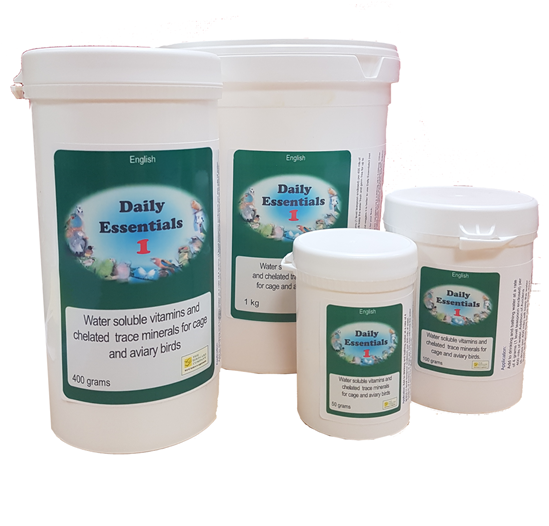
Are you ready to give your feathered friends the best life possible? Whether you’re a new bird owner or have had birds for years, understanding birdcare is key to keeping your pets happy and healthy.
You’ll discover simple tips and expert advice that make a big difference in your bird’s well-being. Keep reading to unlock the secrets to a vibrant, joyful bird life that you and your feathered companion will both love.
Choosing The Right Bird
Choosing the right bird means matching your lifestyle and space with the bird’s needs. Popular pet birds include budgerigars, cockatiels, and canaries. Budgerigars are small, social, and easy to care for. Cockatiels are friendly and enjoy attention. Canaries are quiet and great for small spaces.
Different birds need different amounts of space. Small birds like finches need less room but still need a cage large enough to fly. Larger birds like parrots need more space and exercise outside their cage.
| Bird | Size | Space Needs | Lifestyle Match |
|---|---|---|---|
| Budgerigar | Small | Small cage, daily social time | Busy people, beginners |
| Cockatiel | Medium | Medium cage, needs interaction | Families, patient owners |
| Canary | Small | Small cage, less hands-on | Quiet homes, less active owners |

Credit: www.ladygouldianfinch.com
Setting Up The Cage
Choose a cage that suits your bird’s size and activity level. Place perches, food, and water at easy reach. Keep the cage clean and safe for a happy bird.
Cage Types And Sizes
Choose a cage that fits your bird’s size and activity level. Larger cagesallow birds to move freely and stay healthy. Metal cages with non-toxic coatingare durable and easy to clean. Avoid cages with wide gapsto prevent escapes or injuries.
Essential Cage Accessories
- Perchesof different sizes to exercise feet.
- Food and water dishesplaced away from droppings.
- Toysto keep birds entertained and prevent boredom.
- Cage linersfor easy cleaning and hygiene.
- Bathing dishesfor birds that enjoy water baths.
Safe Cage Placement
Place the cage in a quiet, draft-free room with natural light. Avoid kitchens or areas with strong fumes. Keep the cage off the floorto protect birds from pets or pests. Make sure the cage is stable and secure to prevent accidents.
Nutrition And Feeding
Birds need a variety of foods to stay healthy. Fresh fruits, seeds, and vegetables are essential. Pellets are also important for a balanced diet. Each type of bird has different needs. Research your bird’s specific diet requirements. Offer clean, fresh water daily.
Some foods are dangerous for birds. Chocolate, avocado, and caffeine are toxic. Salt and sugar should be avoided. Onions and garlic are harmful too. Always check food before giving it to your bird. Keep their diet safe and healthy.
Birds thrive on regular feeding times. Create a schedule and stick to it. Feed them in the morning and evening. Small meals throughout the day are good. Ensure they don’t go hungry. Consistency is key for their well-being.
Daily Care Routine
Cleaning and hygienekeep birds healthy and happy. Change water daily and clean food dishes. Remove droppings and old food from the cage. Wipe cage bars and perches with warm, soapy water weekly. Provide a shallow dish for birds to bathe or mist them lightly with water. Regular grooming prevents illness and discomfort.
Exercise and playare vital for bird wellbeing. Birds need space to flap wings and fly safely. Offer toys like bells, mirrors, and ladders to keep them active. Rotate toys often to keep birds interested. Daily out-of-cage time helps build muscles and mental sharpness.
Social interactionprevents loneliness and boredom. Spend time talking or singing softly. Birds enjoy gentle touch and attention. Some species need company from other birds. Observe your bird’s mood to know when they want quiet time or play. Social bonds strengthen trust and happiness.
Health And Wellness
Common bird illnessesinclude respiratory infections, mites, and feather plucking. Birds may show signs like sneezing, coughing, or loss of feathers. Watch for changes in eating habits or droppings. Early detection helps prevent serious problems.
Signs of stress or injurycan be subtle. Birds may sit quietly, fluff feathers, or stop singing. Look for limping, swelling, or bleeding. Sudden changes in behavior often mean the bird needs help.
Regular vet checkupskeep birds healthy. A vet can spot problems before they worsen. Schedule visits at least once a year. Vaccinations and parasite control are important parts of care.
Training And Behavior
Teaching birds basic commandslike “step up” or “stay” builds trust. Use small treatsas rewards. Practice daily for short periods to keep their attention.
Common behavioral issuesinclude biting, screaming, and feather plucking. Stay calm and avoid punishment. Redirect their attention to toys or activities. Consistency and patience are key.
- Provide toysthat encourage chewing and climbing.
- Offer foraging gamesto stimulate their mind.
- Rotate toys regularly to prevent boredom.
- Allow safe out-of-cage timefor exercise.
- Use natural branchesfor perching and climbing.
Travel And Safety
Transport birds in a secure, well-ventilated cage. Use a carrier that is small enoughto prevent too much movement but large enoughfor comfort. Cover the cage with a light cloth to reduce stress during travel. Offer familiar toys or perches to keep birds calm.
Keep an emergency kitready with essentials like a first aid kit, water, and food. Know the nearest vetlocations before traveling. Have a list of bird’s medical infoand medications on hand.
- Keep toxic plants and fumes away.
- Cover mirrors and windows to avoid bird crashes.
- Secure electrical cords out of reach.
- Store cleaning products safely.
- Watch for open flames and hot surfaces.
Credit: www.northernparrots.com
Breeding And Raising Chicks
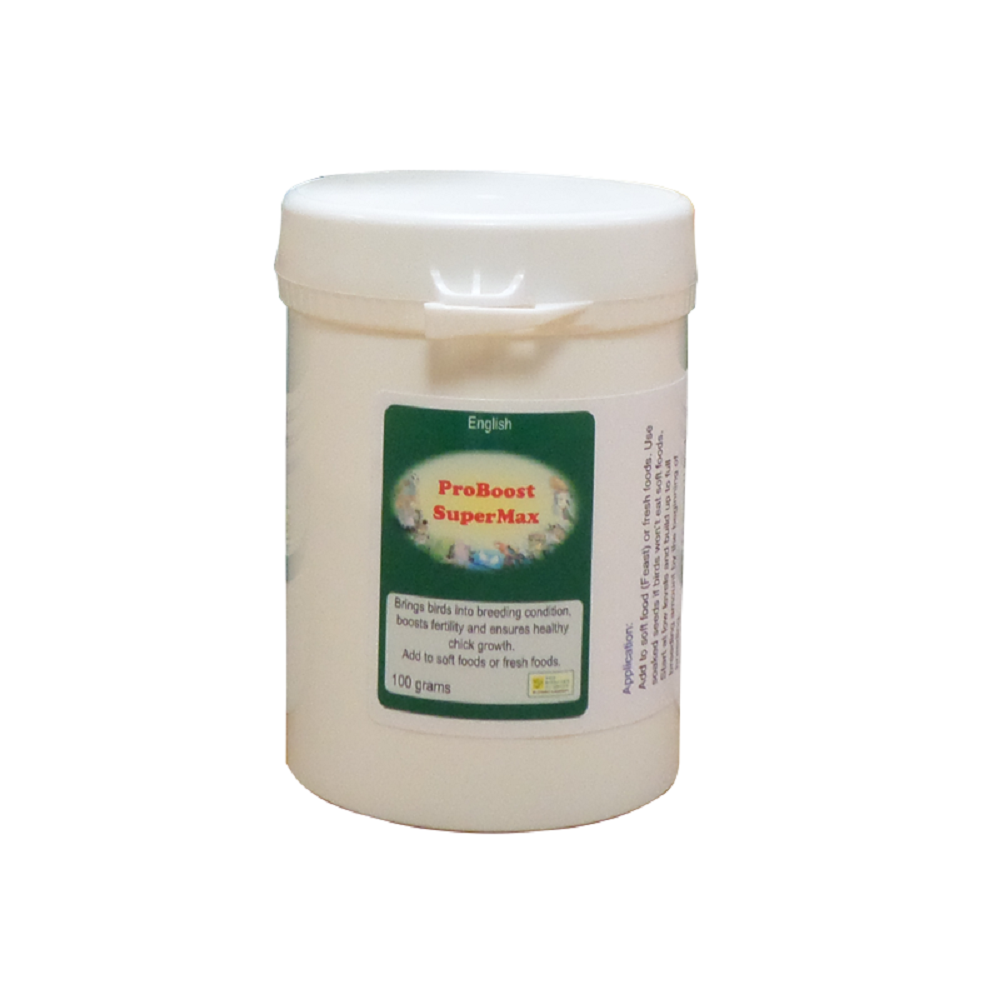
Breeding basicsinclude choosing healthy birds and providing a safe space. Birds need a quiet, warm, and clean nest. The environment should be free from loud noises and sudden movements. Proper lightinghelps birds know when to breed. Keep the nest dry and check it often for dirt or damage.
Nest careis very important. Remove old nesting material before new eggs arrive. Use soft materials like shredded paper or dry grass. Avoid cotton or anything that can tangle the chicks. Keep the nest box clean to prevent diseases. Watch for signs of stress in parent birds.
Feeding young birdsrequires patience and care. Offer soft, easy-to-digest foods like soaked seeds or small insects. Feed them often, about every 2-3 hours. Make sure food is fresh and clean. Do not force-feed; let the parents do most of the feeding if possible.

Credit: www.ladygouldianfinch.com
Frequently Asked Questions
What Are The Basic Needs For Birdcare At Home?
Birds need fresh water, nutritious food, a clean cage, and a safe environment.
How Often Should I Clean My Bird’s Cage?
Clean the cage weekly to keep birds healthy and prevent bad smells.
What Foods Are Best For Pet Birds?
Seeds, fruits, vegetables, and specially made bird pellets provide balanced nutrition.
How Can I Tell If My Bird Is Sick?
Look for changes in behavior, appetite, droppings, or feather condition.
Conclusion
Caring for birds brings joy and responsibility. Their health depends on clean water and fresh food. Regular checks help spot any signs of illness early. Providing a safe space encourages natural behavior. Patience and kindness build trust over time. Enjoy watching birds thrive with your care.
Small steps lead to happy, healthy birds. Birdcare is simple when done with love and attention. Keep learning and improving your bird’s life every day.