
Imagine the joy of watching vibrant birds fluttering around your garden, chirping melodiously as they feast on a delightful snack you’ve provided. If you’re a bird lover, you’re always looking for the best ways to attract and nourish these feathered friends.
But have you ever considered offering dried mealworms to them? You might be wondering if these tiny morsels are good for your avian visitors. The answer could transform your backyard into a bustling bird haven. Packed with proteins and essential nutrients, dried mealworms might just be the secret ingredient to enhancing your bird-feeding routine.
Are you curious about the benefits these little critters can bring to your feathered guests? Keep reading to discover how dried mealworms can be a game-changer in your bird-feeding strategy.
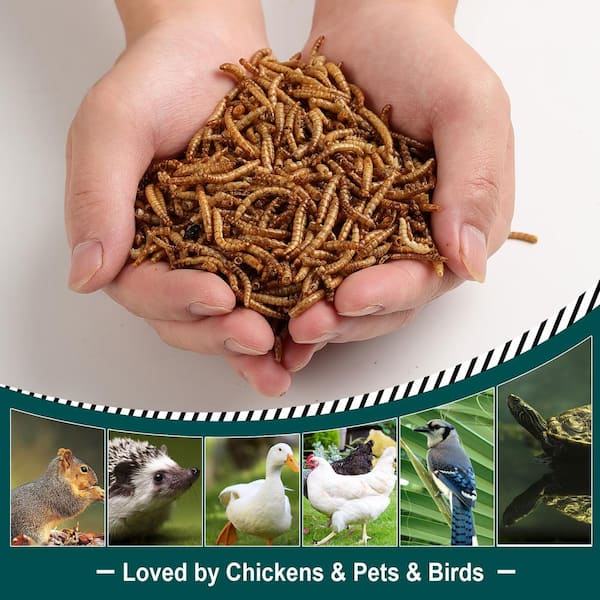
Credit: www.homedepot.com
Nutritional Value Of Dried Mealworms
Dried mealworms are more than just a tasty snack for birds. They provide essential nutrients that can benefit birds in many ways. Understanding their nutritional value helps you make informed feeding decisions.
Protein Content
Protein is vital for birds. Dried mealworms are rich in protein. This nutrient supports muscle growth and repair. It also aids in feather development. A diet high in protein keeps birds healthy and strong.
Vitamins And Minerals
Dried mealworms offer an array of vitamins and minerals. They contain vitamin A, which supports vision and immune function. They are also a source of calcium. Calcium is essential for bone health and egg production. With these nutrients, birds thrive better in their environment.
Benefits For Bird Health
Dried mealworms boost bird health by providing essential protein and nutrients. Birds enjoy these tasty treats, which support their energy levels. Regular consumption can enhance feather condition and overall vitality.
Dried mealworms are more than just a treat for birds—they’re a powerhouse of nutrition that can significantly enhance bird health. Whether you’re a seasoned bird enthusiast or just starting to feed your backyard visitors, understanding how dried mealworms benefit bird health can change the way you approach bird feeding. These tiny snacks are packed with proteins and essential nutrients that promote vibrant health in our feathered friends.Boosting Energy Levels
Imagine the flurry of activity that birds engage in every day. From flying to foraging, birds need a constant supply of energy. Dried mealworms are a rich source of protein and fat, providing the necessary fuel to keep birds active and energetic. In my backyard, I noticed an increase in the number of birds visiting after adding mealworms to the feeder. They seemed more lively and stayed longer, enjoying their newfound energy source. Have you ever seen the difference in bird activity when you offer them a nutritious snack?Supporting Feather Growth
Feathers are crucial for birds, not just for flying but for insulation and attracting mates as well. Protein is essential for feather development, and dried mealworms deliver a hefty dose of it. This makes them an ideal addition to a bird’s diet, especially during molting season when new feathers are growing. I watched a young sparrow in my garden that had patches of missing feathers. By offering dried mealworms regularly, I noticed its feather growth improved significantly. Could providing such a simple treat be the key to healthier, more vibrant birds in your area? By feeding birds with dried mealworms, you not only support their daily energy needs but also help them maintain beautiful, functional feathers. These benefits enhance their overall health and well-being, inviting them to return to your garden time and again.Feeding Considerations
Dried mealworms provide essential nutrients that benefit birds. Their protein-rich content supports energy and overall health. Easy to store, they offer a convenient feeding option for bird enthusiasts.
Feeding considerations for birds can be as diverse as the birds themselves. Dried mealworms are a popular choice among bird enthusiasts, offering a rich source of protein that many species enjoy. However, knowing how to serve them can make all the difference in your backyard bird-feeding success. With the right approach, you can ensure that your feathered friends benefit from this nutritious treat without any drawbacks.Portion Control
Monitoring the amount of dried mealworms you provide is crucial. Giving birds too many can lead to overfeeding, which might not be healthy. Aim for moderation to avoid any potential health issues. Observe the birds’ eating habits. You might notice that certain species prefer mealworms over seeds. Adjust portions accordingly to maintain a balanced diet. Consider the season. Birds may require more energy during colder months, so you can slightly increase portions then.Mixing With Other Foods
Combining dried mealworms with other foods can create a more balanced and attractive mix. Many bird species enjoy a varied diet, so mix mealworms with seeds or suet to add variety. Experiment with different combinations. Try adding mealworms to a bird feeder alongside sunflower seeds or fruit pieces. This can attract a wider range of birds to your yard. Think about the nutritional benefits. Mixing mealworms with foods rich in vitamins and minerals can enhance the overall diet of birds, supporting their health and vitality. Have you ever noticed how birds flock to a feeder with a diverse spread? Mixing foods can create a more inviting environment, encouraging regular visits from our avian friends.
Credit: www.naturesgrub.co.uk
Attracting Different Bird Species
Dried mealworms can be a nutritious snack for many bird species. Birds enjoy the protein-rich treat, making it an effective way to attract various birds to your garden. Offering dried mealworms in feeders helps diversify bird visitors, enriching your bird-watching experience.
Attracting different bird species to your garden can transform your outdoor space into a vibrant sanctuary. Offering a variety of foods is key to enticing diverse birds, and dried mealworms can play a big role. These protein-packed treats appeal to a wide range of birds, enhancing your birdwatching experience.Backyard Birds
Dried mealworms are a favorite among backyard birds. You might see robins, sparrows, and bluebirds flocking to your feeders. Their high protein content makes them especially attractive during breeding season, as birds need extra energy to feed their young. Consider mixing mealworms with seed in your feeders. This combination appeals to birds with varied diets, increasing your chances of attracting more species. Have you noticed fewer birds in the colder months? Adding dried mealworms to your winter feeding routine can help. They provide essential nutrients when natural food is scarce.Migratory Birds
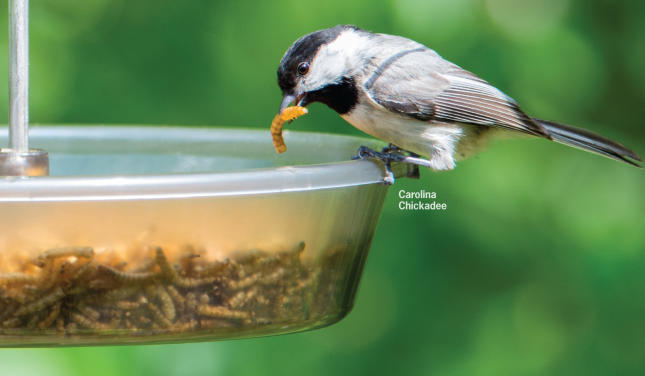
Migratory birds often pass through during spring and fall, seeking rest and nourishment. Dried mealworms can provide the energy boost these travelers need. Warblers, thrushes, and orioles are among the migratory birds that might visit your garden. They are drawn to the high-energy food source mealworms offer. Try placing mealworms in a shallow dish or platform feeder. This makes it easier for migratory birds to spot and access them. Have you ever been thrilled by a surprise visit from a rare bird? Offering mealworms could increase those magical moments. Your garden might become a regular stopover for these beautiful travelers. Incorporating dried mealworms into your bird-feeding routine can enhance your garden’s appeal to both backyard residents and migratory visitors. Are you ready to see which new feathered friends will visit you next?Environmental Impact
When considering feeding dried mealworms to birds, it’s essential to think about the environmental impact. You might wonder how sustainable mealworm farming is and what effects it has on local ecosystems. These questions are crucial for those who care about the environment and want to make responsible choices.
Sustainability Of Mealworm Farming
Mealworm farming has been gaining popularity due to its relatively low environmental footprint. Unlike traditional livestock, mealworms require less land and water. They produce fewer greenhouse gases, making them a more sustainable choice. If you care about reducing your carbon footprint, mealworms can be a great option.
Additionally, mealworms are efficient converters of feed into protein. This efficiency means they need less food to grow, reducing the strain on agricultural resources. Imagine having a protein source that takes up less space and demands fewer resources. It’s a win-win for both farmers and the environment.
Effects On Local Ecosystems
Introducing dried mealworms into bird diets can impact local ecosystems positively. Birds that eat mealworms tend to be healthier and more active, which can lead to increased biodiversity. A flourishing bird population can help balance local ecosystems and control pests naturally.
However, it’s important to consider sourcing mealworms responsibly. Overharvesting can disrupt local insect populations and lead to imbalances. Have you ever thought about where your dried mealworms come from? Ensuring they are farmed sustainably can help mitigate any negative effects on the ecosystem.
So, next time you purchase dried mealworms for your feathered friends, think about their environmental impact. Are you contributing positively to the environment? Making informed choices can benefit both the birds and the planet.
Credit: westchester.wbu.com
Comparison With Other Bird Foods
Dried mealworms offer birds a nutritious and protein-rich option compared to seeds or suet. Birds find them easy to digest, providing energy and essential nutrients. Unlike some other bird foods, mealworms attract a wide variety of bird species, enhancing the diversity of your backyard visitors.
Bird enthusiasts often wonder about the best food for their feathered friends. Dried mealworms stand out for their nutritional value. Yet, comparing them with other bird foods helps in making informed choices. Understanding the benefits of seeds, nuts, and live insects provides a clearer picture.Seeds And Nuts
Seeds and nuts are popular bird foods. Birds love them for their rich taste and energy. Sunflower seeds, peanuts, and almonds offer essential fats and proteins. These foods attract a variety of birds, including sparrows and finches. Birds eat seeds and nuts with ease. They are easy to store and do not spoil quickly. Yet, they may lack the high protein content found in insects.Live Insects
Live insects are a natural food source for birds. They provide high protein and essential nutrients. Birds find them in their natural habitats. Mealworms, crickets, and beetles are common choices. These insects aid in birds’ muscle and feather development. Yet, storing live insects can be challenging. They require specific conditions to stay alive. Dried mealworms offer a convenient alternative. They provide similar nutrients without the hassle of live insects.Storage And Handling Tips
Dried mealworms provide essential nutrients for birds, enhancing their diet. Proper storage ensures freshness and prevents spoilage. Store in a cool, dry place, away from direct sunlight. This maintains quality and keeps birds healthy and satisfied.
When you decide to offer dried mealworms to your feathered friends, knowing how to store and handle them properly is crucial. Proper storage not only extends their shelf life but also ensures that they remain a nutritious treat for your backyard birds. Let’s dive into some practical tips to keep your mealworms fresh and safe.Shelf Life
Dried mealworms can last a long time if stored correctly. Typically, they can remain fresh for up to a year. Make sure to store them in a cool, dry place away from direct sunlight. A sealed container works best to keep moisture out. Consider using airtight jars or resealable bags. This will help maintain their crunchiness, which birds enjoy.Preventing Contamination
Preventing contamination is crucial for keeping your mealworms safe for birds. Always use clean utensils when handling them to avoid introducing bacteria. If you notice any mold or off smells, it’s best to discard the mealworms immediately. This ensures that you’re not serving anything harmful to your garden visitors. Think about where you place your container. Keeping it away from pet food or cleaning supplies reduces the risk of accidental contamination. Do you have any storage tips that work well for you? Share them in the comments below. Let’s create a community of bird lovers who learn from each other. By implementing these storage and handling tips, you’re not just preserving the quality of the mealworms—you’re enhancing the bird-feeding experience. Your feathered friends will surely appreciate it!Frequently Asked Questions
Are Dried Mealworms Nutritious For Birds?
Yes, dried mealworms are nutritious for birds. They provide essential proteins, fats, and minerals. These nutrients support bird health and energy. Mealworms are an excellent food source, especially during nesting and migration periods.
Can All Bird Species Eat Dried Mealworms?
Most bird species can eat dried mealworms. They are particularly favored by insectivorous birds. However, always check specific dietary needs of your local bird species.
How Do You Serve Dried Mealworms To Birds?
You can serve dried mealworms in a feeder or scatter them on the ground. Mixing them with seeds or suet can attract more birds. Always provide fresh water nearby for hydration.
Do Dried Mealworms Attract Pests?
Dried mealworms are less likely to attract pests compared to seeds. They are clean and dehydrated, reducing pest attraction. However, ensure proper storage to prevent any issues.
Conclusion
Dried mealworms offer great benefits for birds. They provide essential nutrients. Birds enjoy them as a tasty treat. They are easy to store. Also, they attract a variety of bird species. Observing these birds can be a joyful experience. Gardeners can also benefit.
Birds help control pests naturally. Adding mealworms to bird feed can support wildlife. It’s a simple way to help our feathered friends. Consider including them in your bird-feeding routine. With proper balance, they enhance your garden’s ecosystem. So, why not give dried mealworms a try?
Your garden birds might thank you.