Have you ever spotted a bright bluebird and wondered if it’s a rare treasure? You’re not alone.
Bluebirds captivate many with their stunning colors and gentle songs. But how often do they really appear in the wild? If you’re curious about whether bluebirds are rare or just cleverly hidden, this article will clear up the mystery for you.
Keep reading to discover surprising facts that will change how you see these beautiful birds—and maybe even help you spot one yourself.

Credit: www.birdsandblooms.com
Bluebird Species
Bluebirdsare small, colorful birds found mainly in North America. There are three main species: Eastern Bluebird, Western Bluebird, and Mountain Bluebird. Each species has unique colors and habitats.
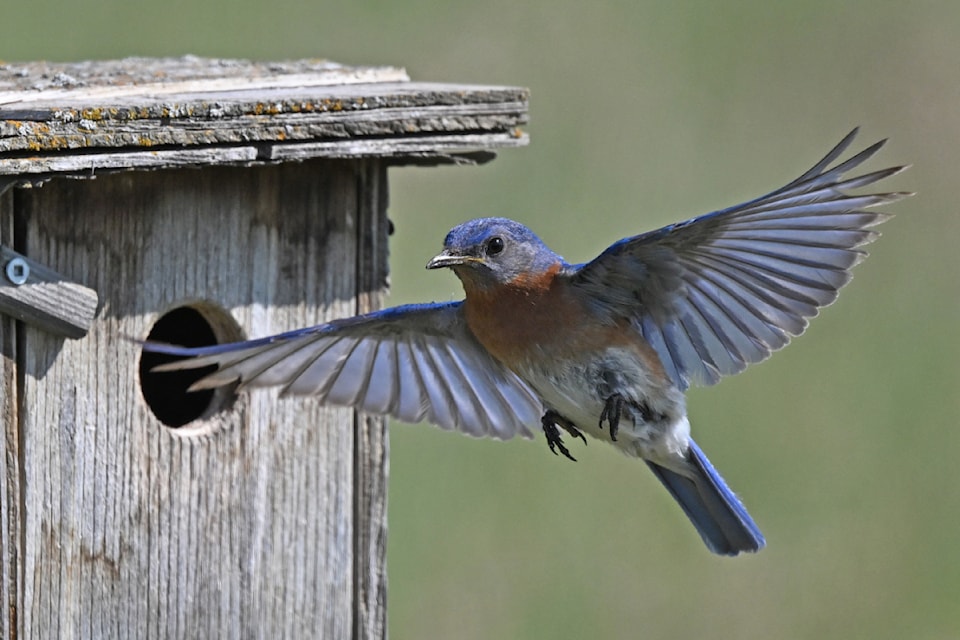
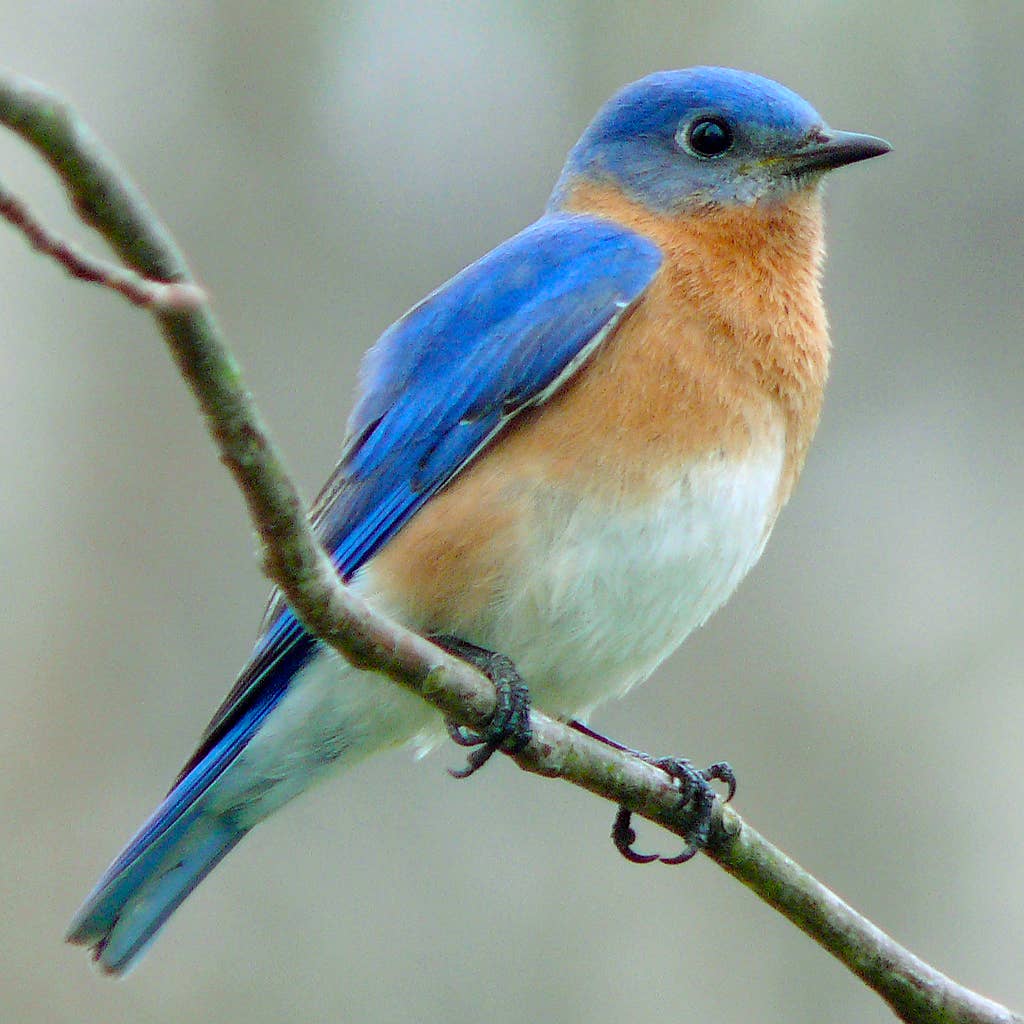
- Eastern Bluebird: Bright blue on the back and rusty red on the chest. Lives in open fields and near trees. Often seen in the eastern United States.
- Western Bluebird: Blue with a rusty orange chest and white belly. Found in the western parts of the US. Prefers open woodlands and forests.
- Mountain Bluebird: Mostly sky blue all over the body. Lives in mountainous areas and open spaces in the western US and Canada.
These birds are not very common everywhere. Their numbers can change due to habitat loss. Protecting their homes helps keep bluebird populations strong.
Bluebird Habitat
Bluebirds are not very rare but can be hard to spot. They prefer open fields and nest in tree holes or birdhouses. Protecting their habitat helps keep their numbers steady.
Preferred Environments
Bluebirds like open spaces with few trees. They prefer fields, parks, and farmland. Places with short grass help them find insects. They need some trees or shrubs nearby for protection and resting. Bluebirds enjoy areas that are not crowded or noisy.
Nesting Sites
Bluebirds use old woodpecker holes or nest boxes. They like cavities in trees or posts. Nest boxes with a small entrance help keep out bigger birds. Clean and dry nesting sites are very important. This helps keep eggs and babies safe.
Geographic Range
| Bluebird Species | Range |
|---|---|
| Eastern Bluebird | Eastern United States and parts of Canada |
| Western Bluebird | Western United States and Mexico |
| Mountain Bluebird | Western North America, including mountains and plains |
Population Trends
Bluebird populations faced a sharp declinein the early 1900s. Habitat loss and competition from invasive species caused this drop. Many bluebirds struggled to find safe places to live and raise young.
Today, their numbers are slowly recoveringthanks to conservation efforts. Bluebird trails and nest boxes help protect them. Yet, some regions still show low numbers.
- Habitat loss:Farms and forests replaced by buildings.
- Invasive species:Starlings and sparrows compete for nests.
- Climate changes:Affect food availability and breeding.
- Pesticides:Reduce insects that bluebirds eat.
Threats To Bluebirds
Bluebirds face threats like habitat loss, predators, and harsh weather. These challenges make them less common in some areas. Protecting their homes helps keep bluebird numbers steady.
Habitat Loss
Bluebirds need open spaces to live. Urban growth reduces these spaces. Trees are cut down for houses and roads. This makes bluebirds lose their homes. Without trees, they can’t make nests. It’s hard for them to find food too.
Competition For Nesting
Other birds want the same places. House sparrows and starlings are common rivals. They often take over bluebird nests. Bluebirds then have to find new spots. This can be very difficult and stressful for them.
Predators
Many animals eat bluebird eggs. Snakes, raccoons, and cats are big threats. They climb trees to reach nests. This makes nesting unsafe. Bluebirds must always stay alert. Protecting their young is a big job.
Climate Impact
Weather changes affect bluebirds a lot. Hot summers can dry up their food. Cold springs delay nesting. Unpredictable weather makes life hard. Bluebirds need stable climates to thrive.
Conservation Efforts
Nest box programshelp bluebirds by giving safe places to lay eggs. These boxes protect nests from predators and bad weather. Many people build and place nest boxes in parks and gardens. This helps bluebirds raise more babies.
Habitat restorationmeans fixing places where bluebirds live. Trees, open fields, and shrubs are important for their homes. Removing harmful plants and planting native ones makes the land better. This helps bluebirds find food and shelter easily.
Community involvementis key to saving bluebirds. Volunteers watch nests, clean boxes, and share bluebird facts. Schools and groups join to help. This teamwork creates hope for bluebird populations to grow strong again.
Credit: owlcation.com
Spotting Bluebirds
Bluebirdsare easier to see during the early morningand late afternoon. These times have less noise and more bird activity. Spring and summer are the best seasonsto watch them as they build nests and raise chicks.
Popular places to visitinclude open fields, parks, and woodland edges. Bluebirds like areas with scattered trees and open space. Look near birdhousesor feeders designed for them.
- Stay quiet and move slowly to avoid scaring them.
- Wear soft colors that blend with nature.
- Use binoculars for a closer view without disturbing.
- Watch for their bright blue feathers and soft songs.

Credit: www.reddeeradvocate.com
Frequently Asked Questions
Are Bluebirds Rare In The Wild Today?
Bluebirds are not very rare but some species face habitat loss. Conservation helps their numbers grow.
What Makes Bluebirds Hard To Spot Sometimes?
Bluebirds hide in trees and are quiet. They blend well with nature, so they are easy to miss.
How Can I Attract Bluebirds To My Yard?
Plant native flowers, provide water, and use bluebird houses to welcome them safely.
Conclusion
Bluebirds are not very rare, but they are special to see. They live in many places across North America. Their bright blue color makes them easy to spot. People enjoy watching and helping protect them. Simple actions like putting up birdhouses can support bluebird populations.
Watching these birds reminds us of nature’s beauty. Bluebirds bring joy to many bird lovers. Keep an eye out, and you might spot one soon.