Are you ready to protect yourself and your loved ones from bird flu? This illness can spread quickly and catch many off guard.
Knowing how to prepare now can make all the difference. You’ll discover simple, practical steps to keep your home safe and your health secure. Don’t wait until it’s too late—read on to learn exactly what you need to do to stay ahead of bird flu.
Bird Flu Basics
Bird flu, also called avian influenza, is a virus that infects birds. It can sometimes spread to humans. This virus mainly affects wild birds and poultry like chickens and ducks.
The virus spreads through droppings, saliva, and nasal secretionsof infected birds. People catch it by touching these fluids or surfaces contaminated by them. Close contact with sick birds or their environment increases risk.
- Fever and chills
- Cough and sore throat
- Muscle aches
- Breathing problems
Symptoms can appear within a few days. Early medical care is important if symptoms develop after bird contact.
Risk Factors
High-risk areasinclude farms, live bird markets, and places with many birds close together. People near poultry farms face a higher chance of catching bird flu. Crowded areas where birds gather can spread the virus quickly.
At-risk groupsare mainly poultry workers, veterinarians, and bird handlers. Children and elderly people have weaker immune systems and can get sicker from bird flu. Travelers to regions with outbreaks should take care.
Seasonal trendsshow bird flu cases rise in fall and winter. Cold weather helps the virus stay alive longer. Migratory birds can carry the virus during these months, increasing risks.
Prevention Steps
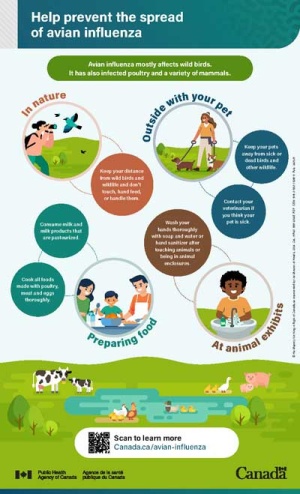
Keep poultry areas clean and avoid contact with wild birds to reduce bird flu risk. Regularly wash hands and cook poultry thoroughly for safety.
Personal Hygiene Tips
Always wash your hands with soap and water. Dry them well. Avoid touching your face with dirty hands. Wear a mask in crowded places. Keep your surroundings clean and tidy.
Safe Handling Of Poultry
Cook poultry until it is well done. Use separate utensils for raw and cooked meat. Clean surfaces after preparing poultry. Refrigerate any leftovers promptly. Avoid cross-contamination.
Avoiding Contaminated Areas
- Stay away from wild birds.
- Do not visit poultry farms.
- Avoid bird markets.
- Stay clear of sick animals.

Credit: www.cbc.ca
Home Preparedness
Stocking essential supplieshelps keep your home safe and ready. Keep enough food and water for at least two weeks. Include canned goods, dry foods, and bottled water. Don’t forget medicines and basic first aid items. Have masks and gloves available for protection. Keep thermometers and hand sanitizers handy.
Setting up isolation zoneshelps stop the virus from spreading inside your home. Choose a separate room for sick family members. Use a separate bathroom if possible. Keep doors closed and limit visitors. Use dedicated items like towels and utensils for the sick area only.
Cleaning and disinfectionreduce the virus on surfaces. Use soap and water to clean first. Then apply disinfectants approved for viruses. Focus on doorknobs, light switches, and tables. Clean floors and bathroom areas often. Wash hands well after cleaning.
Travel Considerations
Check official travel advisoriesbefore planning any trip. Governments update these regularly to warn about bird flu risks. Avoid areas with high infection ratesor outbreaks. Stay informed through trusted sources like health departments or the World Health Organization.
During travel, wear a face maskin crowded places. Carry hand sanitizerand use it often. Avoid touching birds or poultry markets. Keep a safe distance from anyone who is coughing or sneezing. Drink bottled water and eat well-cooked food only.
| Exposure Situation | Recommended Action |
|---|---|
| Direct contact with birds | Wash hands immediately and seek medical advice |
| Close contact with infected person | Monitor symptoms and contact healthcare provider |
| Visited affected area | Watch for fever, cough; report symptoms early |
Credit: seekingalpha.com
Vaccines And Treatments
Several vaccinesare available to protect against bird flu strains. These vaccines help the body build immunityand reduce the chance of severe illness.
Antiviral medications such as oseltamivirand zanamivircan treat bird flu infections. They work best if taken early, within 48 hours of symptoms starting.
Seek medical help if you experience:
- High fever lasting more than three days
- Difficulty breathing or chest pain
- Severe cough or coughing up blood
- Sudden weakness or confusion
Community Role
Reporting suspected caseshelps stop bird flu spread early. Watch for sick birds or unusual deaths. Call local health officials quickly. Share clear details, like location and symptoms.
Supporting local health effortsmeans following advice from experts. Help by cleaning areas where birds gather. Avoid touching wild birds or their droppings. Use masks and gloves if needed.
Educating othersbuilds strong community defense. Talk to neighbors about bird flu risks. Teach simple ways to stay safe. Share facts, not rumors. Encourage good hygiene and safe bird handling.

Credit: ca.news.yahoo.com
Frequently Asked Questions
What Are The Early Signs Of Bird Flu In Humans?
Bird flu symptoms include fever, cough, sore throat, muscle pain, and difficulty breathing.
How Can I Protect My Family From Bird Flu?
Avoid contact with sick birds, wash hands often, and cook poultry thoroughly.
Is Bird Flu Contagious Between People?
Bird flu spreads mainly from birds to humans; human-to-human spread is rare.
Conclusion
Preparing for bird flu helps keep you and your family safe. Stay informed about symptoms and follow health advice closely. Practice good hygiene and avoid contact with sick birds. Clean surfaces regularly and cook poultry well. Early action can stop the spread of the virus.
Small steps make a big difference in prevention. Stay calm, stay ready, and protect your health every day.