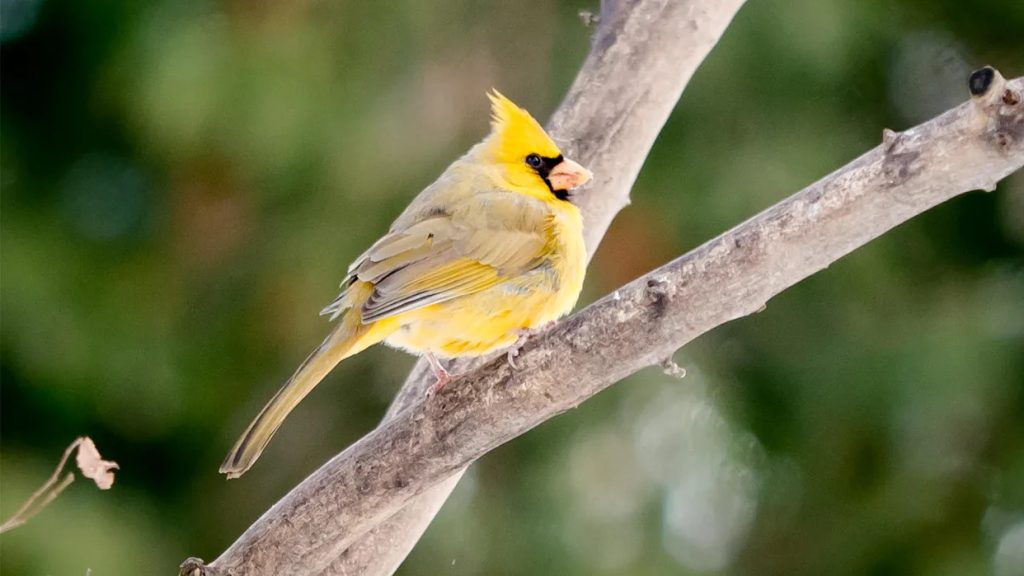
Have you ever wondered what rare birds you might spot in Michigan? If you’re curious about unique feathered friends that are not easy to find, you’re in the right place.
Discovering rare birds can feel like unlocking a secret world, and it’s more exciting than you think. You’ll learn about some of Michigan’s most unusual and beautiful birds. Whether you’re a seasoned birdwatcher or just starting out, these fascinating creatures will capture your attention and inspire your next outdoor adventure.
Ready to see which rare birds might be waiting for you? Keep reading!
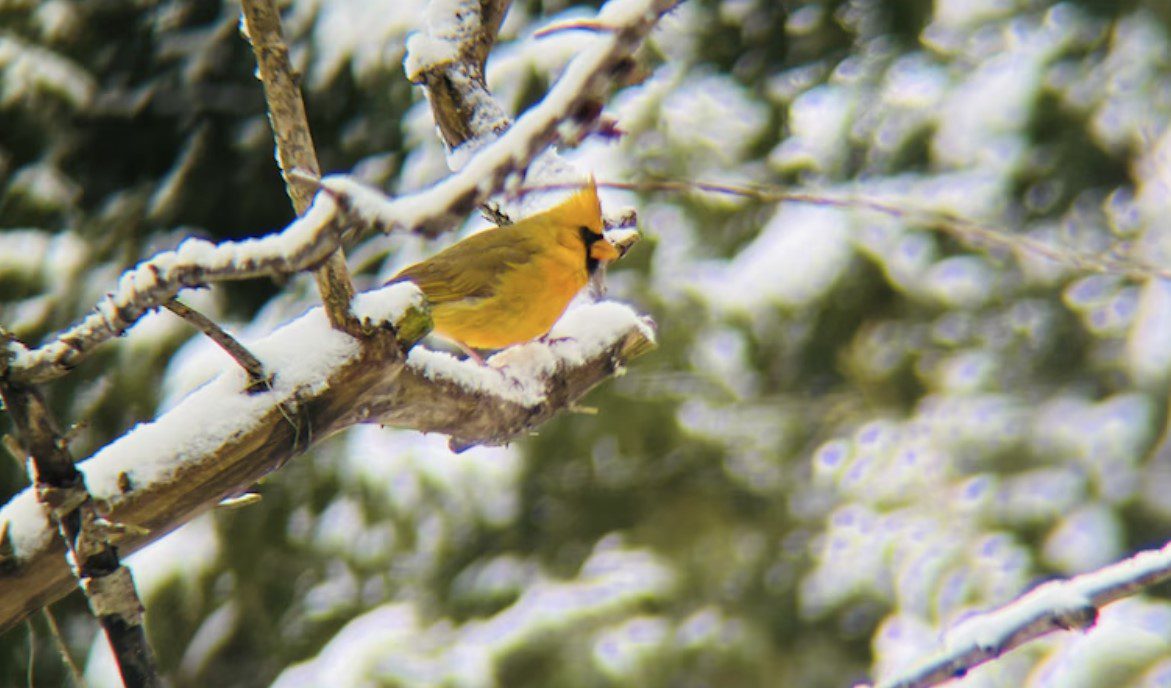
Credit: www.whiskeyriff.com
Michigan’s Bird Diversity
Michigan hosts many rare birdsthat attract bird watchers from all over. The state has diverse habitats like forests, wetlands, and lakes. These homes support a wide range of bird species. Some birds are common, while others are rare and special to see.
Rare birds in Michigan include:
- Piping Plover– A small shorebird found on sandy beaches.
- Kirtland’s Warbler– A rare songbird that nests in young jack pine forests.
- Red-headed Woodpecker– Known for its bright red head and striking colors.
- Black Tern– A rare bird seen near marshes and lakes.
Michigan’s location on bird migration paths adds to its diversity. It is a great place for bird lovers to explore and discover rare species.

Credit: avibirds.com
Key Rare Bird Species
The Kirtland’s Warbleris a small, bright yellow bird. It lives in young jack pine forests. This bird is one of the rarest in the world. It sings a sweet, loud song to attract mates.
The Piping Ploveris a tiny shorebird. It has a short, orange bill. Its legs are also orange. It makes a nest on sandy beaches. These birds are endangered and need protection.
Red-headed Woodpeckershave bright red heads and black wings. They are known for storing food. These birds love acorns and nuts. They live in open woodlands and parks.
The Cerulean Warbleris a small blue bird. It has a white belly. This bird loves tall trees in forests. It sings a buzzing song that is easy to hear.
Spruce Grouseare plump, chicken-like birds. They have mottled brown feathers. These birds live in boreal forests. They are very quiet and hard to see.
Habitat Hotspots
Jack Pine Forestsoffer a special home for birds like the Kirtland’s Warbler. These forests have young, dense trees that birds love. The sandy soil and fire help keep the forest healthy.
Great Lakes Shorelinesare rich with food and shelter. Birds such as the Piping Plover nest here. The beaches and dunes provide safe spots for eggs and chicks.
Northern Wetlandsare full of water and plants. Birds like the Yellow Rail hide in the tall grasses. These wetlands are quiet and safe for many rare birds.
Oak Savannasmix open spaces with scattered trees. Birds such as the Red-headed Woodpecker find food and homes here. This habitat is rare but very important for bird life.
Migration Patterns
Rare birdsin Michigan follow unique migration paths. Many travel long distances between breeding and winter homes. These birds often stop at wetlands and forests to rest and eat. Migration happens mainly in spring and fall. Weather changes and food availability guide their journey.
Some rare birds fly at night, using stars to find direction. Others rely on Earth’s magnetic field. Migration speeds vary; some fly fast for hours, others take breaks. Michigan serves as a key spot for many species during migration.
- Spring migration: Birds head north to breed.
- Fall migration: Birds return south for warmer climates.
- Stopover sites: Wetlands, forests, and shores provide food and rest.
- Navigation: Stars, magnetic field, and landmarks help birds find their way.
Conservation Efforts
Habitat restorationhelps rare birds by bringing back their homes. Plants and wetlands are saved and cleaned. This gives birds safe places to live and find food.
Monitoring programswatch bird numbers and health. Experts check nests and count birds regularly. This helps catch problems early and protect species better.
- Community involvementmeans people help by planting trees and cleaning parks.
- Volunteers join bird counts and learn about birds.
- Schools and groups spread awareness about saving birds.
Tips For Birdwatchers
Best Seasons to Visitfor birdwatching in Michigan are spring and fall. These seasons bring many rare birds during their migrations. Spring offers chances to see colorful warblers and songbirds. Fall shows waterfowl and raptors moving south. Winter can reveal some hardy species too, but fewer are around. Summer is good for nesting birds but less for rare visitors.
Essential Gearincludes binoculars, a field guide, and a notebook. Binoculars help you see birds clearly from far away. A field guide helps identify birds by color, size, and call. A notebook is handy for writing down sightings. Wearing comfortable shoes and carrying water is smart too. Dress in layers to stay warm or cool.
- Binoculars for clear views
- Field guide for ID help
- Notebook for notes
- Comfortable shoes
- Water bottle
- Layered clothing
Ethical Birdwatchingmeans watching birds without disturbing them. Stay quiet and move slowly. Avoid getting too close or touching nests. Use binoculars to keep distance. Do not feed birds; it can harm their health. Respect private property and follow park rules. Leave no trash behind. Enjoy birds safely and kindly.
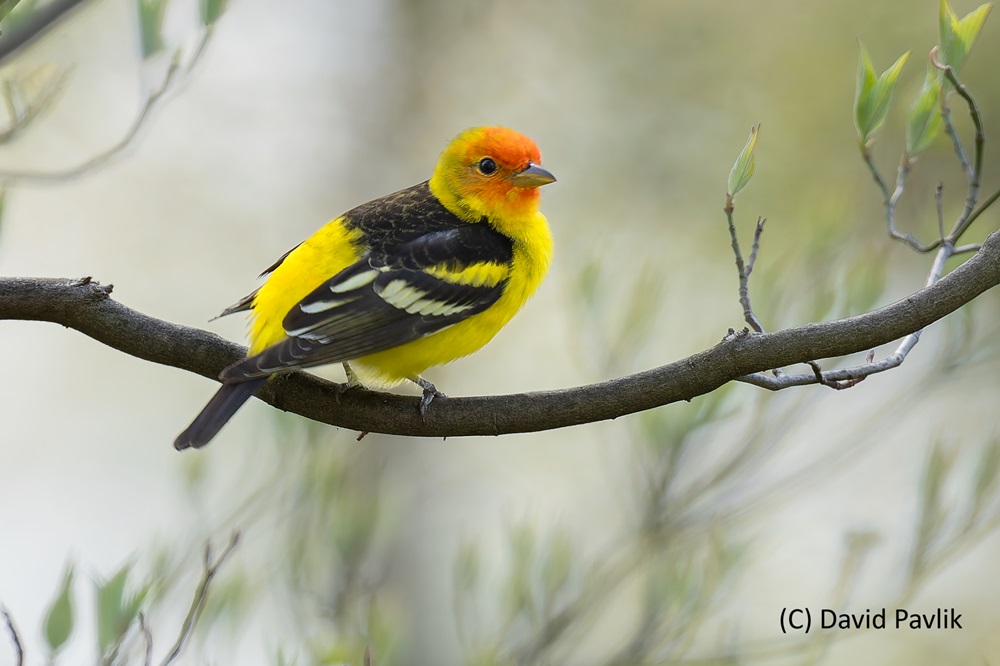
Credit: mibirdrecords.com
Frequently Asked Questions
What Rare Birds Can Be Found In Michigan?
Michigan hosts rare birds like the Kirtland’s Warbler, Piping Plover, and Red-headed Woodpecker. These species attract birdwatchers due to their limited presence and unique habitats in the state.
When Is The Best Time To Spot Rare Birds In Michigan?
Spring and early summer are ideal for spotting rare birds in Michigan. During this time, many species migrate and breed, making sightings more frequent and vibrant.
Where Are The Top Locations To See Rare Birds In Michigan?
Key spots include Kirtland’s Warbler Wildlife Management Area, Sleeping Bear Dunes, and the Lake Michigan shoreline. These areas provide crucial habitats for rare bird species.
How Can I Help Protect Rare Birds In Michigan?
You can protect rare birds by supporting conservation efforts, reporting sightings, and preserving natural habitats. Responsible birdwatching practices also minimize disturbance to these species.
Conclusion
Michigan hosts some truly rare and special birds. Spotting them takes patience and care. These birds add beauty and wonder to nature lovers’ visits. Protecting their homes helps keep them safe for years. Every sighting brings joy and a story to share.
Keep exploring and appreciating Michigan’s unique birdlife. Nature’s surprises await those who watch closely. Don’t miss the chance to see these rare birds.