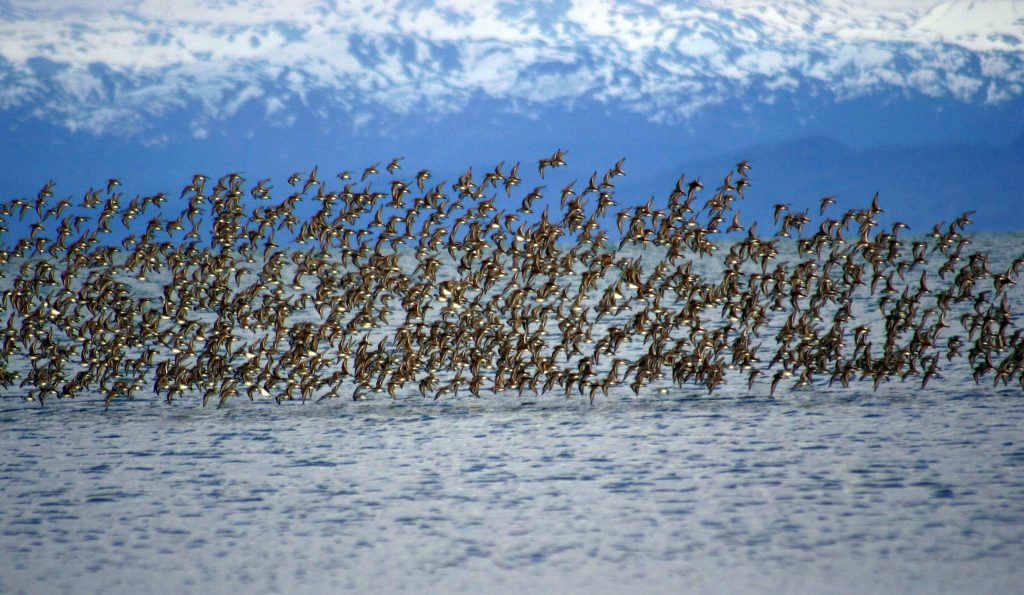
Have you ever wondered why birds fly south when the weather turns cold? It’s a fascinating natural mystery that affects your backyard, your favorite park, and even the sky above your home.
Understanding why these feathered travelers make such long journeys can change the way you see the seasons and the world around you. You’ll discover the surprising reasons behind this annual migration and what it means for the birds—and for you.
Keep reading to unlock the secrets of why birds fly south for winter.
Credit: natgeotv.com.au
Migration Patterns
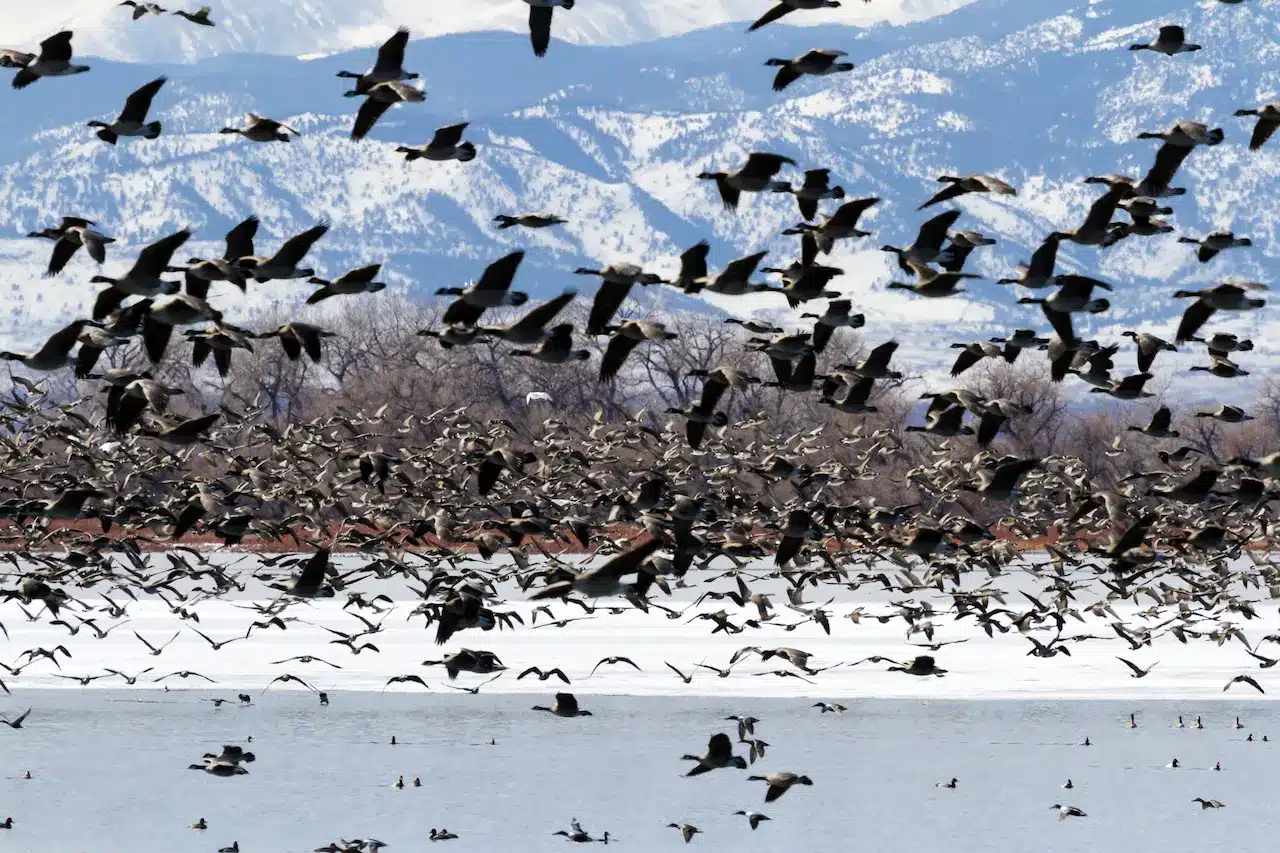
Birds fly south to find warm weatherand foodduring winter. As seasons change, days get shorter and colder. This affects the insects and plants birds eat. Without enough food, birds cannot survive cold winters.
Migration helps birds avoid harsh conditions. They follow geographical routesthat are often the same every year. These paths help them find safe places to rest and eat.
| Route | Region | Bird Types |
|---|---|---|
| Atlantic Flyway | East Coast of North America | Ducks, Warblers |
| Mississippi Flyway | Central US, Canada | Geese, Hawks |
| Pacific Flyway | West Coast of North America | Swans, Cranes |
Survival Benefits
Birds fly south to survive cold winters and find food more easily. Warmer places help them stay safe and healthy during harsh weather. This migration boosts their chances of living and raising young.
Food Availability
Birds fly southbecause food is easier to find there in winter. Cold weather makes insects and plants disappear. Birds need to eat a lot to stay warm. In the south, they find fruits, seeds, and insectsthat are not frozen. This helps them stay strong and healthy during the cold months.
Temperature Regulation
Flying south helps birds avoid freezing temperatures. Cold weather can be dangerous and use up their energy fast. In warmer places, birds do not have to work hard to keep warm. This helps them save energy for flying and finding food. Staying in a warm place also keeps their bodies healthy and safe.
Biological Triggers
Birds sense changes in daylight and temperature that signal colder weather. These biological triggers guide them to migrate south for warmth and food. This natural instinct helps birds survive winter’s harsh conditions.
Hormonal Changes
Birds sense season changes through their hormones. These hormones tell them to start flying. Hormonal shifts make birds restless. This restlessness is a sign to move south. Birds feel the need to find warmer places. The changes in hormones act like a natural alarm clock.
Daylight Sensitivity
Daylight hours get shorter in winter. Birds notice this change easily. Shorter days mean less food and warmth. Daylight cues help birds plan their journey. They know it’s time to go south. Sunlight changes guide their way during migration. Birds use the sun like a map.
Navigation Techniques
Birds use the Earth’s magnetic fieldto find their way. They have special cells that sense magnetic forces. This helps them know which way is north or south, even when the sky is cloudy.
Many birds also use visual landmarkslike rivers, mountains, and coastlines. These natural signs guide them during their long trips. They remember these places from past journeys.
At night, birds watch the starsto stay on course. They recognize star patterns and use them as a map. This helps them fly in the right direction during dark hours.
Species Variations
Birds fly south to find warmer places with more food during winter. Different species choose routes and destinations that suit their needs best. These variations help them survive harsh cold and scarce resources.
Long-distance Migrators
Many birds fly thousands of miles to reach warm places. These birds travel from North America to Central or South America. They fly over oceans, mountains, and deserts. They need strong wings and lots of energy. Examples include the Arctic Tern and Swallow. These birds use stars and the sun to find their way.
Short-distance Migrators
Some birds only travel short distances to find food and warmth. They move to nearby states or regions. These trips can be a few hundred miles. Examples are robins and blue jays. They often stay in the same country but find better weather. Their journey is less hard than the long-distance flyers.
Challenges Faced
Birds face many challengeswhile flying south. Predatorslike hawks and cats wait for easy prey. Birds must stay alert and fly in groups for safety.
Weather conditionscan be harsh. Cold winds and storms make flying hard. Birds need strong wings and good energy to pass through bad weather.
Human impactadds more problems. Buildings, cars, and pollution can confuse birds. Loss of trees and wetlands means fewer places to rest and eat.
Conservation Efforts
Birds fly south to find warmer climates and more food during winter. Protecting their habitats helps keep migration safe. Conservation efforts focus on preserving these critical areas for birds’ survival.
Habitat Protection
Protecting the places where birds live is very important. Many birds need forests, wetlands, and fields to survive. These areas provide food, shelter, and safe spots to rest during migration. People work to keep these habitats safe from damage and pollution. Preserving these homes helps birds fly south and return safely in spring. It keeps bird populations strong.
Migration Monitoring
Scientists watch bird migration closely. They use tools like satellites and bird banding to track movements. This helps understand where birds go and what dangers they face. Monitoring helps spot changes in migration patterns early. It guides actions to protect birds during their long journeys.

Credit: www.youtube.com
Credit: www.discovermagazine.com
Frequently Asked Questions
Why Do Birds Migrate South In Winter?
Birds fly south to find warmer weather and more food during winter months.
How Do Birds Know When To Fly South?
Birds use daylight length and temperature changes to time their migration.
What Helps Birds Fly Long Distances South?
Strong wings, good weather, and stored energy help birds travel far south.
Do All Birds Fly South For Winter?
No, only some birds migrate; others stay where they can find food.
Conclusion
Birds fly south to find warmer places and more food. Cold winters make it hard for them to survive. Flying south helps them stay safe and healthy. This natural journey shows how smart and strong birds are. Watching this migration teaches us about nature’s balance.
Next time you see birds flying south, remember their long trip. It’s a sign of the changing seasons and life’s cycle. Nature’s way of protecting life. Simple yet amazing.