Are you worried about bird flu and want to know how to test for it quickly and accurately? Understanding the signs and testing methods can protect you, your family, and your community from this serious disease.
You’ll learn simple and clear steps to identify bird flu, what tests are available, and how to interpret the results. Keep reading to empower yourself with the knowledge that could make all the difference when it comes to health and safety.
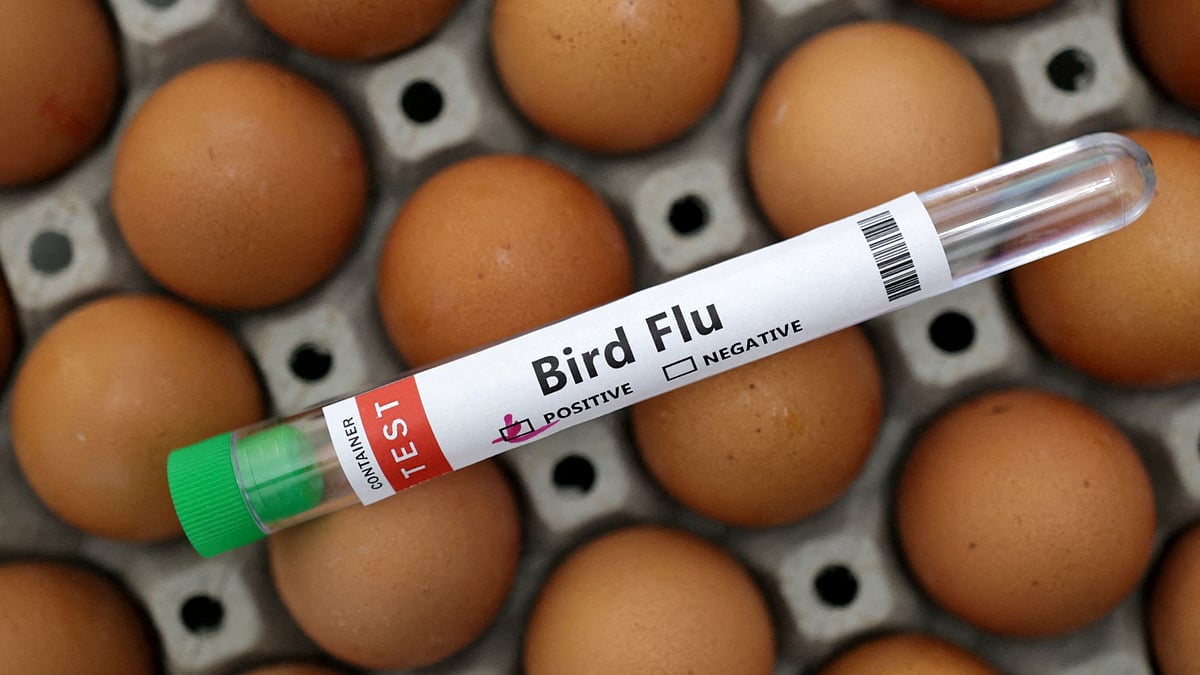
Credit: www.deccanherald.com
Symptoms To Watch
Bird flu symptomscan appear quickly and need attention. Watch for:
- Feverover 100.4°F (38°C)
- Coughingand sore throat
- Runny noseand sneezing
- Body achesand tiredness
- Difficulty breathingor shortness of breath
- Eye rednessor irritation
Sometimes, symptoms look like regular flu. This can make it hard to spot bird flu early. Getting tested is important if these signs appear after contact with birds.

Credit: epi.utah.gov
Sample Collection Methods
Collecting the right sample is keyfor accurate bird flu testing. Swabs from the bird’s throat and cloaca capture the virus. Use a sterile swaband gently rub the inside of the throat or cloaca. Place the swab in a viral transport mediumto keep the virus alive during transport.
Blood samples also help. Draw blood carefully using a clean syringeand store it in a labeled tube. Handle all samples with careto avoid contamination. Store samples in a cool placeuntil testing.
- Use sterile swabs for throat and cloaca
- Place swabs in viral transport medium
- Collect blood with a clean syringe
- Label samples clearly
- Keep samples cool before testing
Laboratory Testing Techniques
Laboratory testingfor bird flu involves several key techniques. Samples like throat swabs or blood are collected from birds or humans. These samples help detect the presence of the virus or antibodies.
Polymerase Chain Reaction (PCR)is a common test. It finds the virus’s genetic material quickly and accurately.
Virus Isolationgrows the virus in special cells. This method confirms the virus type but takes longer.
Serology tests check for antibodies. They show if someone had the infection before.
| Test Type | Purpose | Speed |
|---|---|---|
| PCR | Detects virus genetic material | Fast (few hours) |
| Virus Isolation | Grows virus to confirm type | Slow (days) |
| Serology | Detects antibodies from past infection | Moderate |
Interpreting Test Results
Bird flu tests can show different results. Positive results mean the virus is present. Negative results show no virus detected. Check the accuracy of the test. Some tests might not be very accurate. False positives can occur, showing virus when it’s not there. False negatives might miss the virus. Always consult a doctor for the best advice.
Understanding test results is important. Symptoms of bird flu should be monitored. Fever, cough, and muscle pain are signs. If symptoms persist, seek medical help. Knowing what the test results mean helps in taking the right action.
Safety Measures During Testing
Testing for bird flu requires strict safety measures. Wearing protective gearlike gloves, masks, and gowns is a must. This prevents contact with the virus.
Samples should be handled in well-ventilatedareas or biosafety cabinets. Avoid touching your face during the process. Dispose of used materials properly to avoid spreading.
- Use disinfectantsto clean surfaces and tools after testing.
- Keep testing areas isolatedfrom other workspaces.
- Wash hands thoroughly with soap and water after testing.
- Report any symptoms immediately to healthcare providers.

Credit: www.reuters.com
Frequently Asked Questions
How Is Bird Flu Tested In Humans?
Bird flu is tested using swabs from nose or throat, then lab tests check for the virus.
What Samples Are Needed To Test Bird Flu In Birds?
Samples like throat swabs, cloacal swabs, or blood from birds are used to test bird flu.
How Long Does It Take To Get Bird Flu Test Results?
Bird flu test results usually take 1 to 3 days after the sample reaches the lab.
Conclusion
Testing for bird flu helps protect your health and others. Early detection allows quick action and better care. Use reliable tests and follow instructions carefully. Watch for symptoms and contact healthcare providers if needed. Staying informed and prepared can reduce risks.
Remember, safety starts with knowing and acting fast. Keep your environment clean and report sick birds right away. Taking these steps makes a big difference in controlling bird flu. Stay alert, stay safe.