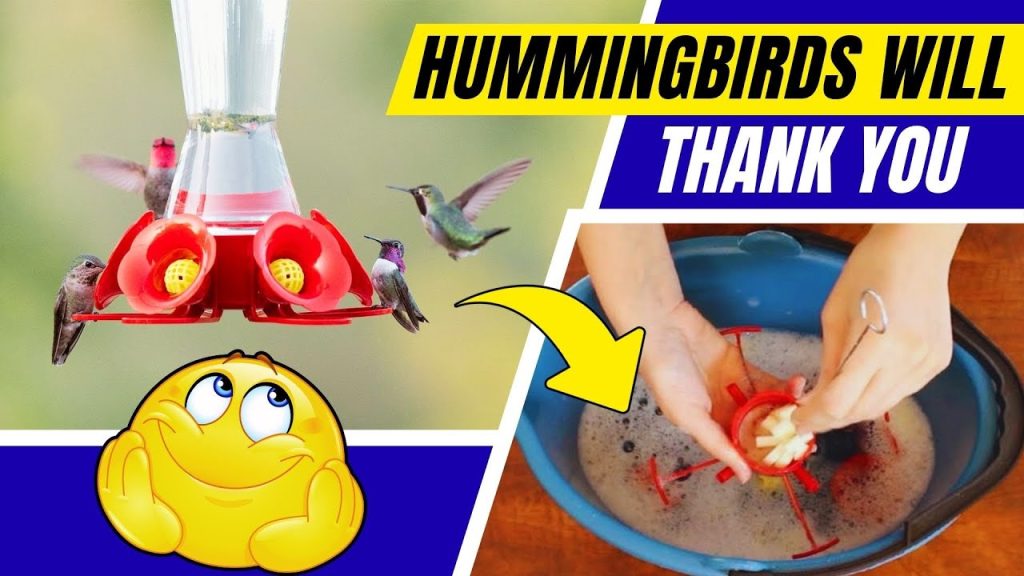
You love watching hummingbirds visit your feeder, but what happens when mold starts to grow? Mold not only spoils the nectar but can also harm the tiny birds you want to attract.
If you’ve noticed a fuzzy or slimy film on your feeder, it’s time to act fast. You’ll discover simple, effective steps to get mold out of your hummingbird feeder and keep it clean. By following these tips, you’ll ensure your feeder stays fresh and safe, bringing more vibrant hummingbirds to your garden.
Keep reading to learn how easy it can be to protect your feathered friends and enjoy their visits all season long.
Signs Of Mold In Feeders
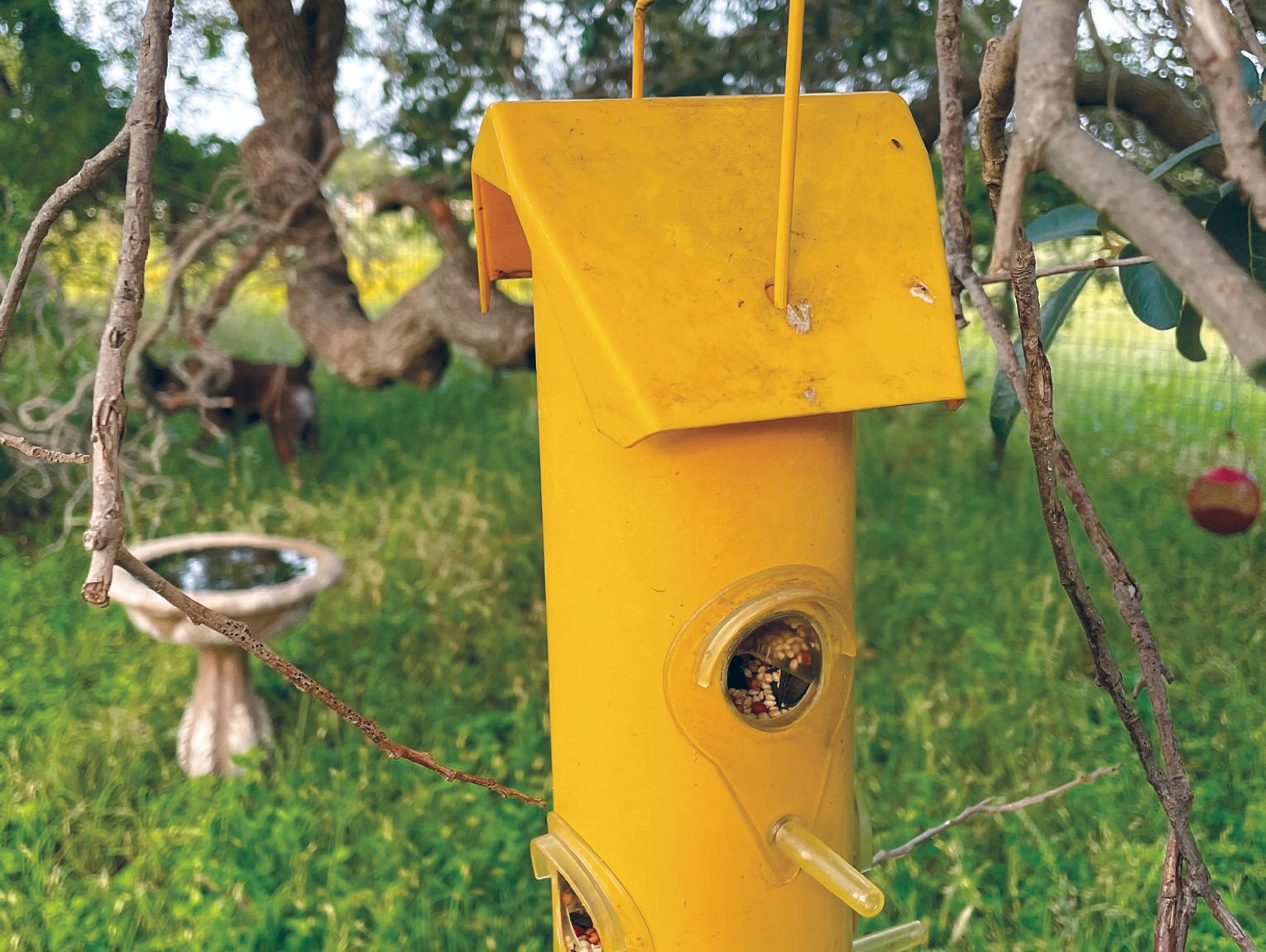
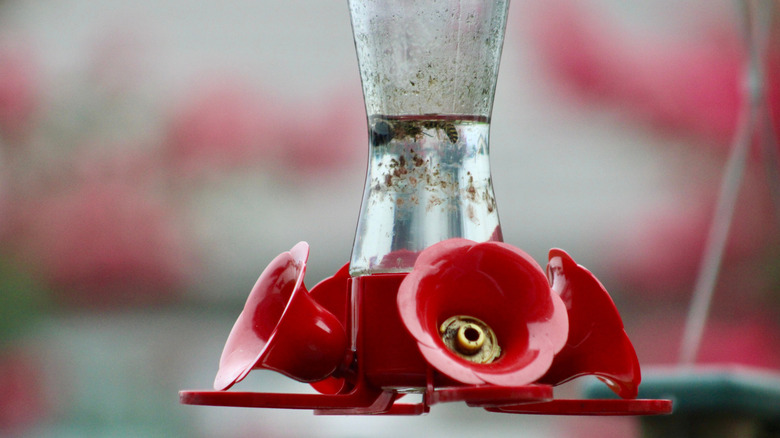
Moldin hummingbird feeders appears as a fuzzy or slimy film. It can be white, green, black, or gray. The sugar water may look cloudy or smell sour. Birds may avoid feeders with mold because it is harmful to them. Mold can grow quickly in warm and wet conditions. Regular checks help catch mold early. Look inside the feeder’s tube, ports, and reservoir for any signs. Also, check the nectar; if it looks thick or smells bad, mold might be present. Clean feeders often to keep birds safe and healthy.
Credit: www.highlandernews.com
Safe Cleaning Materials
Use white vinegaror a mild bleach solutionto clean mold safely. These kill mold without harming birds. Avoid harsh chemicals like ammonia or strong detergents.
A soft brush or cloth helps remove mold from small crevices. Rinse the feeder well with clean water after cleaning. Let it dry completely before refilling.
- White vinegar:Mix one part vinegar with four parts water.
- Bleach solution:One tablespoon bleach per gallon of water.
- Soft brush or cloth:For gentle scrubbing.
- Warm water:For rinsing and soaking.
Step-by-step Cleaning Process
Empty the feeder and remove all parts carefully. Use warm, soapy water to wash the feeder. Scrub all surfaces with a soft brush to remove mold and dirt. Rinse the feeder well to get rid of soap. Soak the feeder in a solution of one part white vinegar to four parts water for about 30 minutes. This helps kill any mold spores left behind. Rinse thoroughly with clean water. Let the feeder dry completely in the sun to stop mold growth. Refill with fresh nectar and hang it back outside. Clean the feeder every few days to keep it safe for hummingbirds.
Credit: www.housedigest.com
Preventing Mold Growth
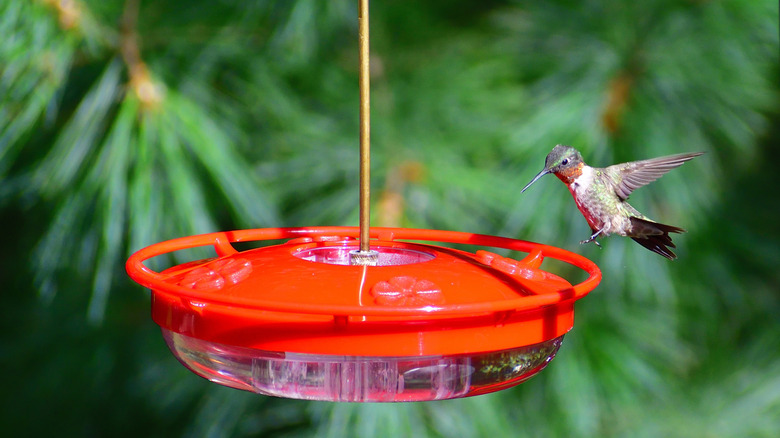
Clean the feederevery few days to stop mold from growing. Use hot water and a brush to scrub all parts well. Rinse thoroughly to remove all sugar residue.
Keep the feeder drywhen not in use. Store it in a cool, dry place to prevent moisture buildup. Moisture helps mold grow fast.
- Refill with fresh nectar only. Old nectar invites mold and bacteria.
- Use a simple sugar-water mix: 1 part sugar to 4 parts water.
- Place feeders in shaded areas to reduce heat and mold risk.
- Check the feeder daily for any signs of mold or cloudiness.
Maintaining Feeder Hygiene
Clean feeders help hummingbirds stay healthy. Start by emptying the feeder. Rinse it with hot water. Use a brush to scrub away mold. Baking soda can help remove stubborn spots. Rinse well after scrubbing. Ensure no residue remains.
Mix a cleaning solution. Use one part vinegar to four parts water. Soak the feeder for 30 minutes. Rinse thoroughly to remove vinegar smell. Dry the feeder completely before refilling. Repeat cleaning every week to prevent mold.
- Empty the feeder regularly.
- Rinse with hot water often.
- Use baking soda for tough stains.
- Vinegar solution helps clean.
- Dry feeder before adding nectar.
Credit: www.housedigest.com
Frequently Asked Questions
How Often Should I Clean My Hummingbird Feeder To Prevent Mold?
Clean your feeder every 3 to 4 days with hot water and mild soap to stop mold growth.
What Is The Best Way To Remove Mold From Hummingbird Feeders?
Use a mixture of white vinegar and water to scrub the feeder, then rinse well.
Can Homemade Sugar Water Cause Mold In Hummingbird Feeders?
Yes, sugar water can grow mold quickly; change it every few days to keep feeders clean.
Conclusion
Cleaning mold from your hummingbird feeder keeps birds healthy and happy. Use warm water and mild soap for safe cleaning. Scrub all parts carefully to remove mold and residue. Rinse well to avoid harmful soap traces. Dry the feeder completely before refilling with fresh nectar.
Regular cleaning stops mold from returning fast. Watch your feeder often for early signs of mold. Clean it every few days, especially in warm weather. This simple care helps hummingbirds enjoy your feeder longer. Keep their visits safe and sweet with clean feeders.