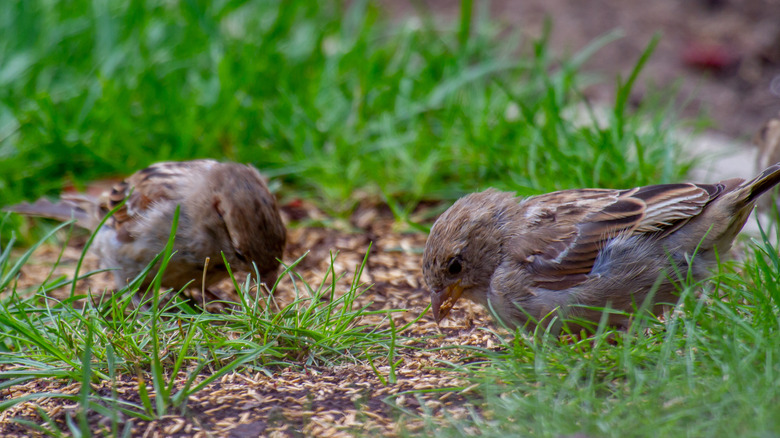
Are you tired of planting grass seed only to find birds have devoured it before it even has a chance to grow? It’s frustrating to put in all that effort, time, and money, just to see your lawn plans get ruined by hungry birds.
But don’t worry—there are simple, effective ways you can protect your grass seed and make sure it grows strong and healthy. Keep reading, and you’ll discover easy tricks you can use right now to keep those pesky birds away and give your lawn the fresh start it deserves.

Credit: www.aol.com
Choose Bird-resistant Seeds
Choosing bird-resistant grass seedshelps protect your lawn. These seeds are less tasty to birds. They reduce seed loss and save money.
Some common bird-resistant seeds include:
- Fescue– tough and less attractive to birds.
- Perennial ryegrass– has a strong hull birds avoid.
- Bluegrass– the seed coat is harder for birds to eat.
Mixing these seeds with others can help. It makes it harder for birds to pick out tasty seeds.
Credit: www.housedigest.com
Use Physical Barriers
Nettingworks well to protect grass seed from birds. It creates a physical barrier that birds cannot pass through. Use lightweight netting with small holes to cover the seeded area. Secure the edges tightly to stop birds from getting under. Netting also allows sunlight and water to reach the soil.
Row coversare another good choice. They are made from fabric that lets air and water pass but blocks birds. Row covers are easy to place over your lawn or garden bed. They protect seeds while they grow into grass.
- Use netting or row covers right after sowing seeds.
- Keep the barrier in place until grass starts to grow strong.
- Check regularly for any gaps or damage.
Apply Natural Repellents
Natural repellents help keep birds away from grass seed. These are safe and easy to use.
Homemade solutionsinclude:
- Mix water with hot pepper or chili powder and spray on seeds.
- Use garlic spray to create a smell birds dislike.
- Scatter crushed eggshells or coffee grounds around the seed area.
- Place shiny objects like aluminum foil strips nearby to scare birds.
Commercial productsoffer ready-to-use options. These include:
| Product Type | Description | How to Use |
|---|---|---|
| Bird Repellent Spray | Contains natural oils that birds dislike. | Spray directly on grass seed and surrounding soil. |
| Granular Repellent | Spreads around seeds and lasts longer. | Scatter evenly before planting or after seeding. |
| Ultrasonic Bird Deterrents | Emit sounds that birds find annoying but humans don’t hear. | Place near seeded areas to keep birds away. |

Credit: www.aol.com
Create Distractions For Birds
Birds get scared easily. Use fake owls or snakes as decoys. Place them near the grass. Move them sometimes. Shiny objects work too. Hang old CDs or aluminum foil. They reflect sunlight. This scares birds away. Wind chimes make noise. Birds dislike loud sounds. Place them near the seed area. Keep changing locations.
Birds love seeds. Offer them different food. Place bird feeders away from the grass. Use seeds like sunflower or millet. Birds will eat those instead. This keeps them away from grass seed. Make sure feeders are easy to see. Keep them full. Happy birds won’t bother your grass.
Optimize Planting Techniques
Plant grass seed at the right timeto reduce bird damage. Early spring or early fall is best. Birds are less hungry then. Plant seeds at the correct depth, usually about 1/4 inch deep. Seeds too shallow attract birds.
Prepare soil well before planting. Loosen the soilto help seeds settle. Remove rocks and debris so seeds get good contact with soil. Firm soil surface after planting to keep seeds in place. This helps seeds hide from birds.
Frequently Asked Questions
How Can I Keep Birds Away From Fresh Grass Seeds?
Cover seeds with a light layer of straw or netting to block birds without harming grass growth.
What Natural Methods Prevent Birds From Eating Grass Seed?
Use bird scare tape, shiny objects, or noise makers to gently scare birds from the seeded area.
When Is The Best Time To Plant Grass Seed To Avoid Birds?
Plant grass seed in the early morning or late evening when birds are less active outdoors.
Conclusion
Protecting grass seed from birds takes simple steps and patience. Cover seeds with light netting or straw to keep birds away. Scarecrows or reflective objects can also help. Water seeds gently after planting to encourage quick growth. Healthy grass grows fast and leaves little for birds to eat.
Keep trying different methods until you find what works best. Soon, your lawn will grow thick and green without bird damage. Patience and care make all the difference in growing great grass.