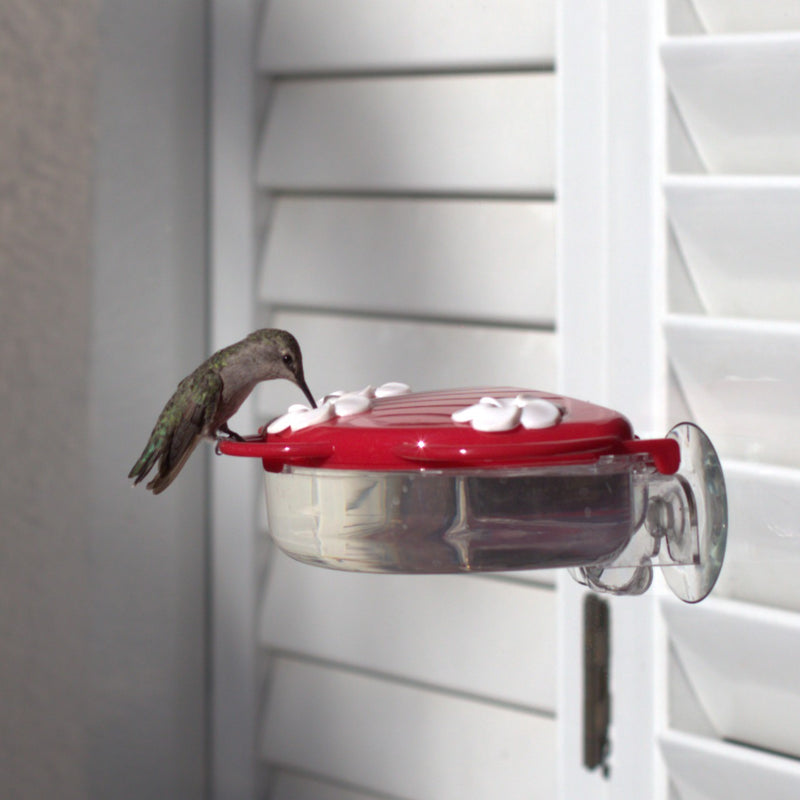
Have you ever wanted to enjoy the beauty of birds up close without leaving your home? Attracting birds to your window feeder can bring nature right to your fingertips.
Imagine watching colorful feathers flutter just outside your window while sipping your morning coffee. You’ll discover simple and effective tips to make your window feeder a favorite spot for birds. Keep reading, and soon your window will be buzzing with life and color every day.

Credit: happygardens.com
Choosing The Right Window Feeder
Choosing a window feeder that is easy to clean and sturdy helps attract more birds. Clear views and safe placement encourage birds to visit your feeder often. Select feeders that suit the types of birds in your area for best results.
Types Of Window Feeders
- Suction cup feeders stick to glass and allow close bird views.
- Tray feeders hold seeds and attract many bird types.
- Hopper feeders protect seeds from rain and hold large amounts.
- Tube feeders offer small feeding ports for tiny birds.
Material And Durability
Plastic feeders are lightweight and easy to clean. Metal feeders last longer and resist weather better. Glass feeders look nice but can break easily. Choose a feeder that suits your climate and cleaning habits.
Placement Tips
Place feeders near natural cover like trees or bushes for safety. Mount at eye level for easy watching. Avoid spots with strong wind or direct sun all day. Keep feeders clean to prevent bird diseases.

Credit: www.facebook.com
Selecting Bird-friendly Seeds
Sunflower seedsattract many birds like finches and cardinals. They are easy to find and loved by birds. Nyjer seedsare perfect for small birds like goldfinches. These tiny seeds fit well in tube feeders.
Milo and safflower seedsbring doves and cardinals. Safflower is good to keep squirrels away because they don’t like it. Peanutsare a favorite for woodpeckers and jays but must be unsalted and chopped.
| Seed Type | Birds Attracted | Notes |
|---|---|---|
| Sunflower | Finches, Cardinals, Chickadees | High oil content, very popular |
| Nyjer | Goldfinches, Siskins | Small, needs special feeders |
| Safflower | Cardinals, Doves | Repels squirrels |
| Peanuts | Woodpeckers, Jays | Unsalted, chopped recommended |
Avoid seedswith salt or artificial coatings. These can harm birds. Moldy or wet seeds can also make birds sick. Clean feeders often to keep birds healthy.
Choose seeds based on the season. In winter, high-energy seeds like sunflower help birds stay warm. In spring and summer, offer a mix of seeds and fruits. This supports breeding and feeding young.
Creating A Bird-friendly Environment
Birds feel safe with natural sheltersaround feeders. Planting shrubs or small trees near windows helps. These plants offer cover and rest spots. Dense bushes protect birds from wind and rain. They also hide birds from predators.
Fresh water attracts birds. A shallow birdbath near the feeder works well. Keep the water clean and change it often. Moving water, like a small fountain, can draw more birds. Water helps birds stay healthy and hydrated.
Keeping birds safe means minimizing predators. Place feeders where cats and other animals cannot reach easily. Using window decals can prevent birds from hitting glass. Avoid placing feeders near places where predators hide. Clear areas let birds see danger early.
Maintaining Cleanliness And Safety
Keeping window feeders clean prevents mold and disease, ensuring birds stay healthy. Regularly check feeders and surrounding areas for safety hazards. Clean feeders with mild soap and water to attract more birds safely.
Regular Feeder Cleaning
Clean the feeder often. Remove old seeds and debris. Wash with mild soap and water. Rinse well to remove soap. Dry before refilling. Check for cracks or damage. Replace damaged feeders to keep birds safe.
Preventing Mold And Disease
Keep feeders dry. Avoid wet seeds; they can grow mold. Mold harms birds. Use a cover to shield from rain. Store seeds in a dry place. Inspect seeds for freshness. Discard any moldy ones.
Safe Feeding Practices
Choose seeds that birds love. Sunflower seeds are a favorite. Offer variety to attract different birds. Avoid bread; it is not healthy for birds. Place feeder away from predators. Ensure it’s secure and stable.
Attracting Specific Bird Species
Bird calls and sounds help attract specific birds to your window feeder. Playing recordings of bird songs can catch their attention. Different birds respond to different calls. Use sounds of birds that live in your area.
Color and movement are key to attracting birds. Bright colors like red, yellow, and blue draw birds closer. Moving objects like small flags or spinning items catch their eyes. Avoid too much movement that scares birds away.
Timing and patience are important. Birds visit feeders at different times of the day. Early morning and late afternoon are often best. Watch quietly and wait; birds may take time to trust your feeder.

Credit: www.youtube.com
Frequently Asked Questions
What Types Of Birds Visit Window Feeders Most Often?
Small birds like finches, sparrows, and chickadees are common visitors to window feeders.
How Can I Make My Window Feeder Safer For Birds?
Place feeders away from windows to prevent collisions and keep the area clean to avoid diseases.
What Food Attracts The Most Birds To A Window Feeder?
Sunflower seeds, suet, and millet attract a wide variety of birds to window feeders.
Conclusion
Attracting birds to your window feeder brings joy and nature close. Use fresh seeds and clean feeders often. Place the feeder where birds feel safe and can see food easily. Add water nearby for drinking and bathing. Be patient; birds take time to visit new spots.
Enjoy the peaceful moments watching feathered friends come and go. Small efforts create a lively, happy space right outside your window.