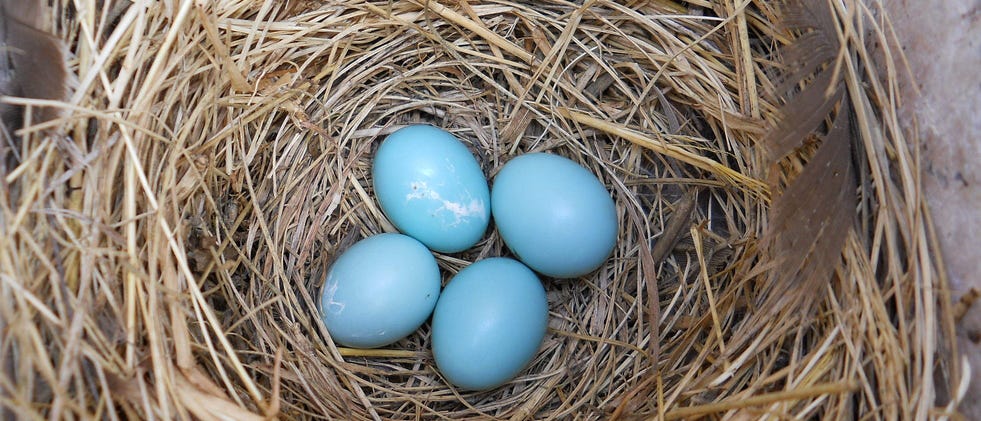
Have you ever wondered where birds hide their nests? Finding bird nests can be a thrilling experience that connects you closer to nature.
But it’s not always easy to spot these hidden homes. In this guide, you’ll discover simple and effective ways to find bird nests without disturbing the birds. Whether you’re a beginner or just curious, these tips will help you unlock the secrets of the skies right in your backyard or local park.
Keep reading, and you’ll soon learn how to spot nests like a pro!

Credit: www.facebook.com
Types Of Bird Nests
Bird nests come in many shapes and sizes. They differ by the type of bird and their habitat. Some nests are built in trees, while others are on the ground or hidden in bushes.
- Cup Nests:Made from twigs, grass, and mud. Usually found in trees or shrubs.
- Platform Nests:Large and flat. Built with sticks, often on cliffs or tall trees.
- Cavity Nests:Hidden inside tree holes or birdhouses. Very safe for eggs.
- Ground Nests:Built on the soil or in grass. Often lined with soft materials.
- Hanging Nests:Suspended from branches. Made with woven fibers or spider webs.
Each nest type protects eggs and baby birds in different ways. Spotting these nests helps learn more about birds and their habits.

Credit: www.npr.org
Best Locations To Search
Bird nests are often found in trees and shrubs. Look for branches with dense leaves. These spots give birds protection from wind and predators.
Near water bodies like ponds and lakes, many birds build nests. Areas with reed beds or tall grassesare good places to search.
- Under eavesof houses or buildings offer shelter to some birds.
- Hollow tree trunksand tree forksare common nesting sites.
- Cliffs and rocky ledgesserve as nesting spots for certain bird types.
Check places with quiet and less human activity. Birds prefer safe and calm areas for nesting.
Signs Of Active Nests
Active bird nests show clear signsof life. Watch for birds flying in and outof a spot. Nest material like twigs, leaves, and feathersoften moves. Listen for chirping soundsnearby, especially in the morning. Fresh droppings under the nest also mean activity.
Some nests are well hidden in bushes, trees, or tall grass. Look for small holes or cups made from natural materials. Egg shells or feathers near the nest can be a clue. Birds keep their nests clean, so the inside looks neat.
Tools And Techniques
Using simple tools helps find bird nests easily. A pair of binocularslets you see nests high in trees. Carry a notebookto jot down where nests are found. Wearing neutral-colored clotheshelps you stay unseen by birds.
Look for signs like twigs, feathers, or droppingsnear bushes or trees. Move slowly and quietly to avoid scaring birds away. Early morning or late afternoon is the best time for nest spotting.
| Tool | Use |
|---|---|
| Binoculars | See nests far up in trees |
| Notebook | Record nest locations and details |
| Neutral clothes | Blend with nature to avoid scaring birds |
Safety And Ethical Tips
Finding bird nests can be exciting. Respect the birds and their homes. Always keep a safe distance from nests. Avoid touching or disturbing them. Birds might abandon nests if disturbed. Use binoculars to view nests from afar. Be quiet and move slowly near nests. Stay on paths and trails. Never reveal nest locations publicly. This can harm the birds. Follow local wildlife laws and guidelines. Leave no trash behind. Educate others about nest safety. Protect nature and enjoy observing birds.

Credit: swibirds.org
Frequently Asked Questions
Where Do Birds Usually Build Their Nests?
Birds build nests in trees, shrubs, on the ground, or man-made structures like ledges and roofs.
How Can I Spot A Bird Nest Without Disturbing Birds?
Look for twigs, grass, or feathers in quiet, hidden places. Watch birds carrying nesting materials.
What Time Of Year Is Best For Finding Bird Nests?
Spring and early summer are best, as many birds lay eggs and raise chicks then.
Conclusion
Finding bird nests takes patience and care. Watch trees and bushes closely. Listen for bird sounds nearby. Use your eyes to spot small twigs or leaves. Always respect nature and avoid touching nests. Protect birds by keeping a safe distance.
Remember, observing quietly helps birds stay safe. Enjoy the beauty of birds and their homes. Keep practicing, and you will get better. Nature offers many surprises for those who look.