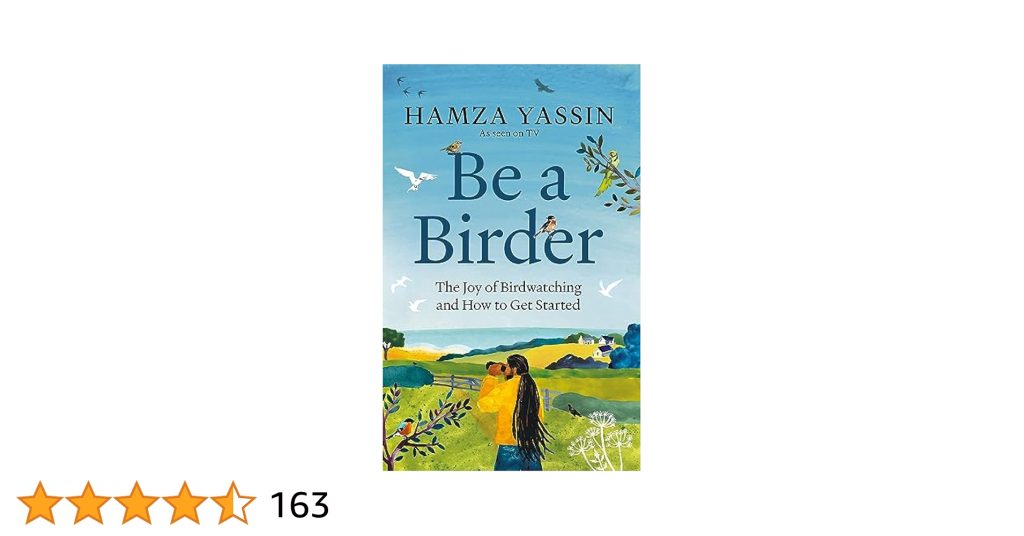
Have you ever stopped to notice the birds around you and wondered how to identify them? Becoming a birder can open up a whole new world of discovery right in your backyard or local park.
It’s not just about watching birds; it’s about connecting with nature, sharpening your observation skills, and finding calm in busy days. In this guide, you’ll learn simple steps to start birding, tools to help you along the way, and tips to make every outing exciting.
Ready to see the world through the eyes of a birder? Keep reading, and you’ll be spotting and enjoying birds like a pro in no time.
Getting Started With Birding
Essential gear helps make birding easy and fun. A good pair of binocularsis a must. Choose ones that feel comfortable and offer clear views. A field guideor bird app helps identify birds. Wear comfortable clothesand sturdy shoes. Bring a notebookto write down birds you see. A hatand sunscreenprotect you from sun. Carry water to stay hydrated on your trip.
Pick a spot with many birds like parks or wetlands. Early morning is best because birds are active. Stay quiet to avoid scaring birds away. Look near trees, bushes, and water for different species. Visit the same place often to learn its birds well.
- Stay calm and quiet to not scare birds.
- Do not touch or feed birds or their nests.
- Keep a safe distance and use binoculars.
- Follow local rules and respect nature.
- Leave no trash behind; keep places clean.

Credit: www.instagram.com
Spotting Birds Effectively
Birds live in different places like forests, wetlands, and fields. Knowing their habitatshelps you find them easier. Watch near trees, water, and open spaces. Each bird likes a certain home.
Early morning and late afternoon are the best timesto spot birds. Birds are more active then. The light is soft, making it easier to see colors and shapes.
Binoculars and scopes help you see birds clearly from far away. Choose ones that are lightand easy to carry. Practice holding them steady to get a sharp view.
Identifying Birds
Spotting birds becomes easier by focusing on size, color, and shape. Listening to their calls also helps identify different species quickly. Practice observing regularly to sharpen your birding skills.
Key Features To Observe
Look at the color and sizeof the bird. Notice the shape of its beak and tail. Observe the bird’s patterns and markings. Watch how it flies and moves. These clues help identify the bird.
Common Bird Calls And Songs
Listen for different sounds birds make. Some birds chirp, whistle, or sing. Each bird has a unique call or song. Pay attention to the pitch and rhythm. Recognizing these sounds helps identify birds.
Using Field Guides And Apps
Field guides show pictures and detailsof birds. They help you compare and learnabout birds. Birding apps have photos and sounds. Use them to identify birdseasily. Many apps can track bird sightingstoo.
Advanced Birding Techniques
Tracking migratory patternshelps birders know when and where birds move. Use maps and apps that show migration routes. Watch the sky at dawn or dusk for large bird groups. Keep notes on bird types and numbers. This makes spotting easier next time.
Photographing birdsneeds patience and a good camera. Use a zoom lens to capture birds without scaring them. Take photos from different angles for better views. Early morning or late afternoon gives best light. Practice helps improve your shots.
- Joining birding communitiesconnects you with others who love birds.
- Share tips, photos, and bird sighting locations.
- Attend group walks and talks to learn more.
- Online forums and local clubs offer great support.
Keeping Records And Improving Skills
Keeping a birding journalhelps track sightings and habits. Write down the date, place,and bird speciesseen. Note interesting details like behavioror weather. Over time, this record shows progress and patterns.
Participating in bird countsconnects you with others. These events help scientists study bird populations. Joining counts improves your identification skillsand awareness. Plus, it’s fun to share knowledge with fellow birders.
Learning from mistakes is part of growing as a birder. Mistaking one bird for another? Review your journal and photos. Practice makes better at spotting differences. Each error is a chance to improve and enjoy the hobby more.

Credit: www.facebook.com

Credit: www.instagram.com
Frequently Asked Questions
What Basic Gear Do I Need To Start Birding?
Binoculars, a bird guidebook, notebook, and comfortable shoes are essential for beginners.
How Can I Identify Different Bird Species Easily?
Observe size, color, shape, behavior, and listen to bird calls for identification.
Where Are The Best Places To Go Birdwatching?
Parks, nature reserves, wetlands, and forests offer great spots to see many birds.
Conclusion
Birding brings joy and peace to anyone who tries it. Start small, use a guide, and watch birds often. Each trip outside offers a new chance to learn. Listen closely, look carefully, and be patient. Share your sightings with friends or bird groups.
Enjoy nature’s beauty and the quiet moments it brings. Keep exploring, and let birding become your calm escape.