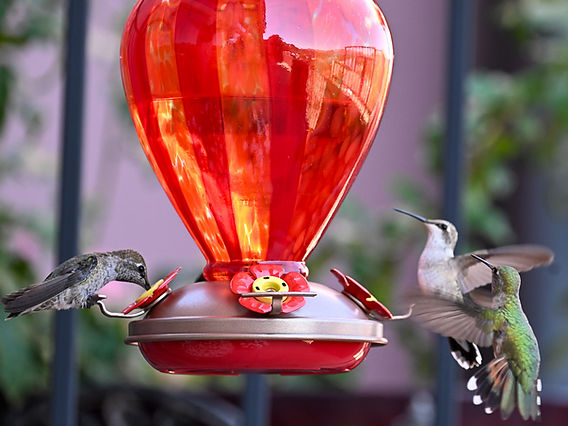
Are you tired of wasps invading your hummingbird feeder and scaring away those beautiful little birds? You’re not alone.
Wasps are drawn to the sweet nectar just like hummingbirds, but they can quickly take over and make your feeder off-limits. Imagine watching hummingbirds dance around your garden without the buzzing threat of wasps stealing the show. You’ll discover simple, effective ways to keep wasps away so your feeders stay hummingbird-friendly.
Ready to enjoy peaceful, wasp-free bird watching? Let’s dive in!
Why Wasps Are Attracted To Feeders
Waspsare drawn to hummingbird feedersmainly because of the sweet nectar. The sugary liquid tastes like food to them. They need sugar to survive and grow. Wasps can also be curious about the bright colorsof feeders, especially red and yellow. These colors look like flowers. The smell of nectar spreads around, which helps wasps find the feeder easily.
Wasps not only want nectar. They look for proteintoo. Sometimes, dead insects around feeders attract wasps. Warm weather makes wasps more active. In summer, they search for more food and water, so feeders become targets. Wasps can guard a feeder to keep others away.

Credit: www.facebook.com
Choosing Wasp-resistant Feeders
Choose feeders with built-in bee guardsto block wasps from reaching nectar. These guards have small openings that let hummingbirds feed easily but stop wasps. Look for feeders made from bright red plasticsince wasps are less attracted to this color.
Feeders with multiple small feeding portsreduce the chance of wasps taking over one spot. Clear plastic feeders allow easy monitoring for wasp presence. Avoid feeders with yellow parts, as this color attracts wasps.
- Use feeders with bee guards
- Choose red-coloredfeeders
- Select feeders with small feeding holes
- Avoid feeders with yellow accents
- Pick feeders made of clear plasticfor easy checking
Placement Tips To Deter Wasps
Place the feeder in a shaded spot to keep sugar cool and less attractive to wasps. Avoid hanging it near fruit trees or trash bins, which attract wasps easily. Position the feeder away from outdoor dining areas to reduce wasp encounters. Keep it at least 10 feet from windows and doors to prevent wasps entering your home. Using a pole or hook with a wasp guard can help keep wasps away. Check the feeder often and clean spills promptly to avoid attracting wasps. Choose a spot where birds feel safe but wasps find hard to reach.
Natural Repellents For Wasps
Wasps dislike certain plants. Plant mint or eucalyptus near feeders. These plants can help keep wasps away. You can also use essential oilsfrom these plants. Dab a bit around the feeder to repel wasps.
Build a simple wasp trap. Use a plastic bottle. Cut it in half. Fill the bottom with sugar water. Invert the top part as a funnel. Wasps get in but can’t get out.
Mix vinegar with water. Spray near the feeder. Wasps hate the smell of vinegar. It is safe for hummingbirds. Repeat often for best results.
Place feeders away from wasp nests. Wasps prefer sunny spots. Move feeders to shady areas. This can deter wasps naturally.
Maintenance To Keep Feeders Wasp-free
Clean the feeder often to stop wasps from coming. Change the nectar every 3-4 days. Wash the feeder with hot water and mild soap. Avoid using strong chemicals that may harm hummingbirds.
Place the feeder in a shady spot. Wasps like warm and sunny places. Use wasp guards or bee-proof feeders to block wasps. Check for any cracks or holes where wasps can enter.
- Remove fallen nectar under the feeder
- Use feeders with bee guards
- Keep the area clean and free of food scraps
- Hang feeders away from wasp nests

Credit: www.facebook.com

Credit: www.hummingbirdsociety.org
Frequently Asked Questions
How Can I Stop Wasps From Reaching My Hummingbird Feeder?
Place the feeder away from flowers and use a wasp guard or feeder with bee-proof ports.
What Homemade Bait Can Attract Wasps Away From Feeders?
A sugar water trap with a bit of dish soap attracts wasps and keeps them away.
Does Cleaning The Feeder Often Help Keep Wasps Away?
Yes, regular cleaning removes sugary residue that attracts wasps and keeps the feeder safe for birds.
Conclusion
Keeping wasps away from your hummingbird feeder takes patience and care. Use simple tricks like moving feeders and cleaning spills. Try using wasp guards or natural repellents around the feeder. Watch for wasps often and act quickly to stop them.
Protecting your feeder helps hummingbirds enjoy their food safely. Small steps make a big difference in your garden. Keep your space peaceful for the hummingbirds you love.