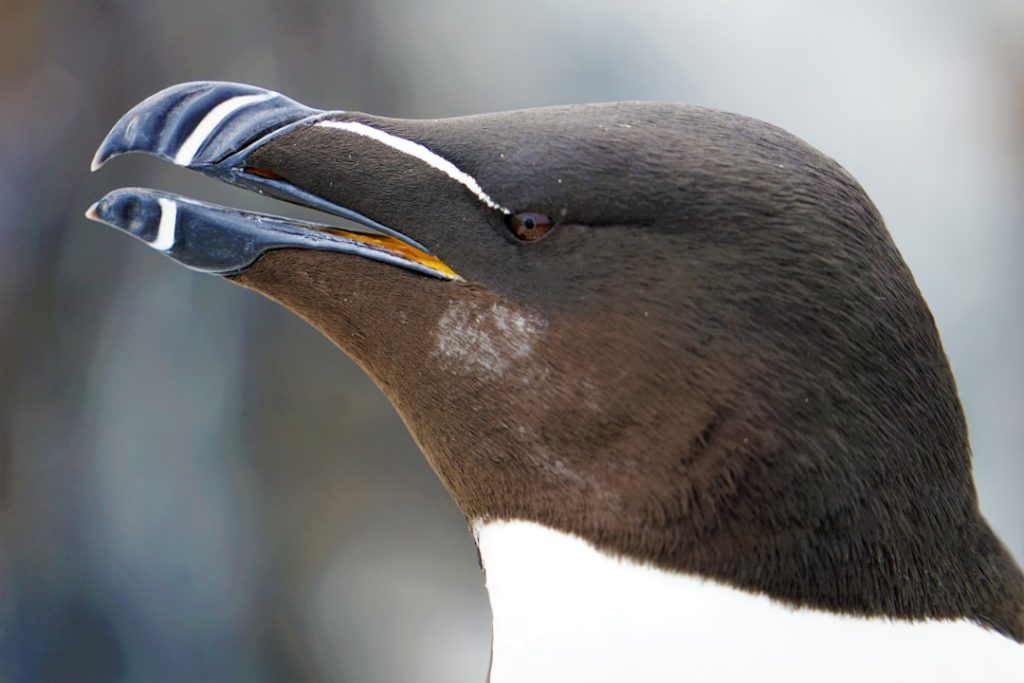
Have you ever wished you could speak the language of birds? Imagine calling a bird’s attention with a simple whistle and hearing it respond.
Learning how to bird whistle is easier than you think, and it can bring you closer to nature like never before. Whether you want to attract birds to your backyard or simply enjoy a new hobby, this guide will show you step-by-step how to master the art of bird whistling.
Keep reading, and you’ll discover tips and tricks that make your whistle sound natural and inviting to feathered friends. Your adventure in bird communication starts here!
Credit: www.etsy.com
Choosing The Right Whistle
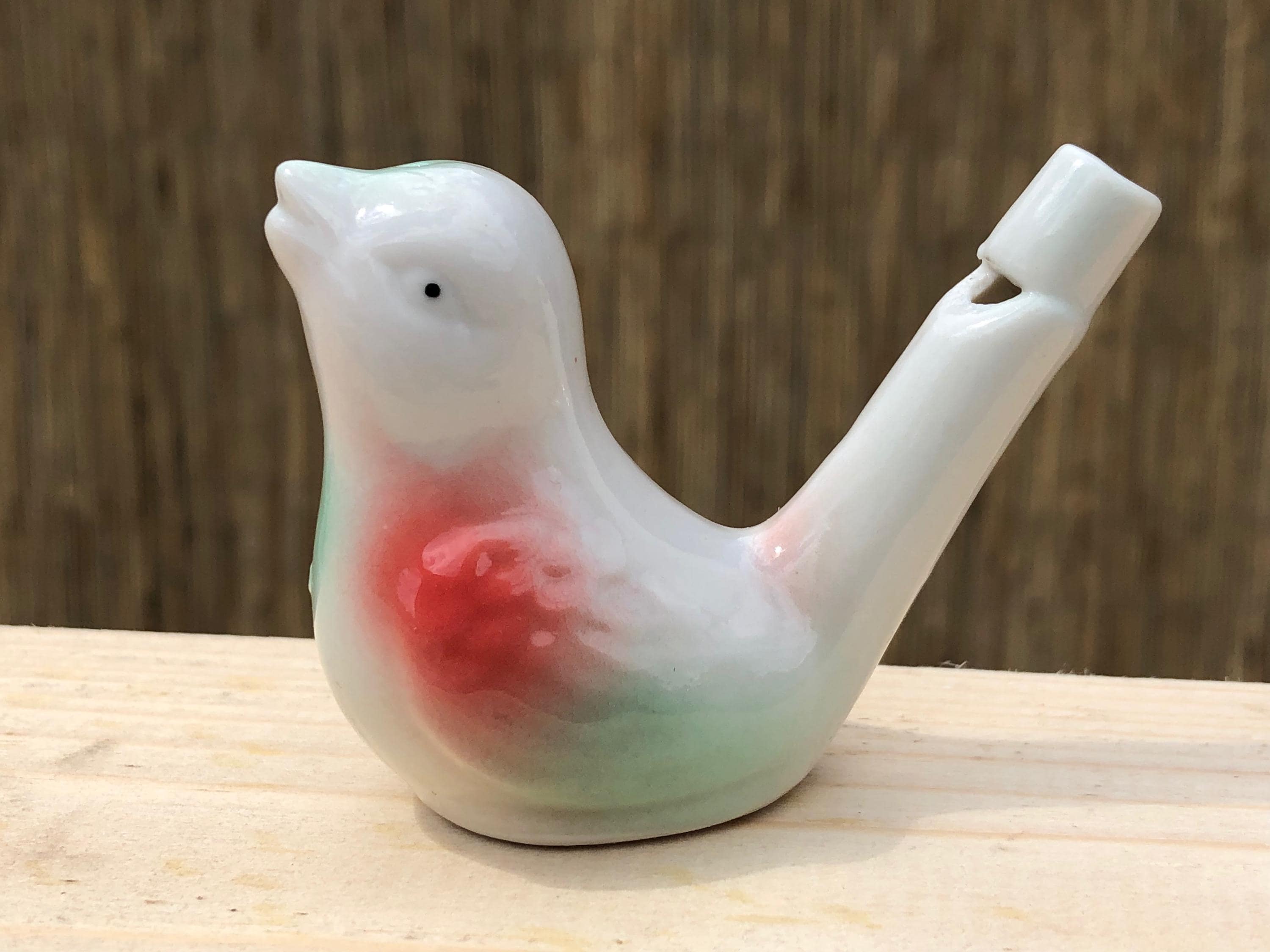
Choosing the right bird whistle depends on the type of bird you want to attract. Different whistles produce sounds that mimic various bird calls. Plastic whistlesare lightweight and easy to carry. Metal whistlesgive a sharper, louder sound that travels far. Some whistles have adjustable parts to change the pitch and tone. This helps imitate many bird species. Consider the whistle’s size and comfort for long use. A whistle that fits well in your hand is easier to control. Also, check the whistle’s durability if used outdoors often. Learning to control the whistle’s breath can improve the call. Practice with different whistles to find one that sounds best to you.
Basic Whistling Techniques
Place your lips gently together with a small gap in the middle. Blow air softly through this gap. The air moves faster and makes a whistling sound.
Adjust your tongue to change the whistle’s pitch. Move it closer to your teeth for a higher sound. Pull it back for a lower sound. Practice makes your whistle clearer.
- Keep your lips relaxed, not tight.
- Use steady, gentle breath.
- Experiment with tongue positions.
- Try different mouth shapes.
- Practice often for better control.
Mimicking Bird Calls
To mimic bird calls, first listen to the sound carefully. Try to catch the pitch and rhythm. Practice making soft whistles with your lips or fingers. Different birds have unique calls, so match your whistle to the bird’s tone.
Control your breath to change the sound. Use short bursts for sharp calls. For longer bird songs, blow steadily with gentle changes in tone. You can also use your tongue to make clicks or trills.
Practice outside where birds are present. Pay attention to how your whistle sounds compared to real bird calls. Keep trying to get closer to the natural sound. The more you practice, the better your mimicry will become.

Credit: www.amazon.com
Practicing With Different Birds
Each bird has a unique song. Listen closely to the songs of sparrows. Their chirps are short and clear. Parrots sing in a lively way. Mimic their rhythm and style. Observe the melody of robins. They sing in a sweet tone. Focus on the timing of their tunes.
Start with easy whistles. Slowly improve your skills. Practice often to get better. Try whistling in a quiet place. This helps you hear your whistle clearly. Record your practice sessions. Listen to your recordings. Compare with real bird songs.
- Watch birds in your garden.
- Listen to bird song recordings.
- Try copying one bird at a time.
Each bird offers a different challenge. Keep trying until your whistle sounds right. Enjoy the process of learning.
Tips For Clear And Loud Whistles
Start by shaping your lips like a small “O.” This helps make a clear whistle sound. Keep your lips tight but not too hard. Breathe out steadily and gently through your lips.
Use your tongue to control the sound. Try placing the tip of your tongue just behind your top front teeth. Move it slightly forward or back to change the pitch and clarity of the whistle.
- Practice blowing air softly at first, then increase strength.
- Keep your mouth moist but not wet for better sound.
- Try different lip shapes and tongue positions to find what works best.
- Stay relaxed. Tension can make the whistle weak or unclear.
Regular practice helps improve both loudness and clarity. Patience is key. Small changes make a big difference.
Credit: kikkerland.com
Frequently Asked Questions
How Can I Learn To Whistle Like A Bird?
Start by practicing simple bird calls. Use your lips and tongue to copy bird sounds slowly.
What Tools Help Improve Bird Whistle Sounds?
A small whistle or flute designed for bird calls can guide your practice effectively.
Why Is Bird Whistling Popular Among Nature Lovers?
It helps attract birds and enjoy nature closely. Also, it’s a fun way to connect with wildlife.
Conclusion
Bird whistling can bring you closer to nature. It takes practice and patience to get it right. Start with simple sounds and listen carefully to birds. Use your lips and tongue to change the whistle tone. Enjoy the process and watch how birds respond.
Keep practicing daily to improve your skill. Soon, you’ll find joy in calling birds with your whistle. Nature’s sounds become clearer and more exciting. Give yourself time and have fun with bird whistling. It’s a peaceful, natural way to connect with wildlife.