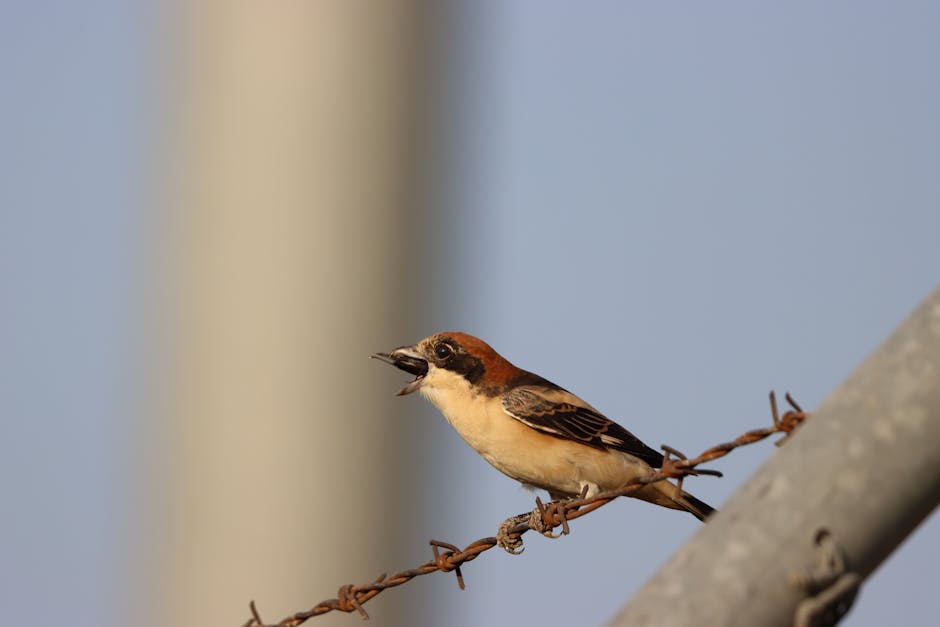
Have you ever wondered how to get the attention of birds around you? Whether you want to attract them for birdwatching, photography, or simply to enjoy their songs, mastering the bird whistle can make a big difference.
Using a bird whistle is easier than you think, and once you learn the simple steps, you’ll be amazed at how many birds respond to your calls. You’ll discover clear, practical tips to help you use your bird whistle effectively.
Ready to connect with nature like never before? Let’s dive in.
Choosing The Right Bird Whistle
Bird whistles come in different types. Some make soft sounds, while others are loud. Choose one that fits your needs.
| Type | Sound | Use |
|---|---|---|
| Wooden | Warm, natural | Good for forest birds |
| Metal | Sharp, clear | Works well in open areas |
| Plastic | Varies | Lightweight, easy to carry |
Materialsaffect the whistle’s durability. Metal lasts longer but can be heavy. Wooden whistles feel nice but may break.
Choose a whistle based on the bird speciesyou want to attract. Different birds respond to different sounds. Small birds like soft whistles. Bigger birds may need louder calls.

Credit: www.tiktok.com
Basic Whistle Techniques
Hold the bird whistle gently between your lips. Place it so air flows easily inside. The whistle should sit just behind the front teeth. Avoid biting too hard to keep the sound clear.
Control your breath with steady, short bursts. Blow softly at first to hear the bird sounds. Practice slow breaths to keep the sound steady. Too much air makes a harsh noise.
- Try simple calls like single short whistles.
- Use two or three quick whistles in a row.
- Pause briefly between calls to mimic bird patterns.
- Repeat calls to attract birds or get attention.
Advanced Calling Methods
Blowing the bird whistle softly can attract birds nearby. Change your breath speed to mimic different bird calls. Practice regularly to improve your calling skills and enjoy nature up close.
Mimicking Bird Sounds
Copy the pitch and toneof real bird calls. Practice short sounds first. Birds respond better to familiar tunes. Listen carefully to bird songs before trying. Use the whistle to match those sounds.
Using Rhythm And Pitch
Change speed and loudnessto make calls sound real. Try slow, soft calls or fast, loud ones. Birds notice these changes and may come closer. Mix high and low notes to keep it natural.
Combining Multiple Calls
- Mix different calls to make a longer song.
- Use pauses between calls to sound like a real bird.
- Repeat some sounds to get attention.
- Try new combinations to find what works best.
Practicing For Clarity
Practice the bird whistle every day for better clarity. Start with short sessions and increase time gradually. Focus on controlling your breath and finger movements.
- Set a specific time daily to practice.
- Try different whistle sounds and tunes.
- Use a mirror to watch your mouth and finger positions.
- Record your practice to hear yourself clearly.
Listen to your recordings. Notice areas that need improvement. Replay often to track progress.
Ask friends or family for feedback. They can help spot mistakes you miss. Use their tips to improve your whistle sound.
Troubleshooting Common Issues
Troubles with the bird whistle often come from incorrect breath pressure or wetness inside. Adjust your blowing strength and keep the whistle dry for clear sounds. Cleaning the whistle regularly helps fix most common problems.
Dealing With Weak Sounds
Weak sounds can happen sometimes. Check the whistle’s position. Make sure it is not loose. Blow steadily. Too hard or too soft can affect sound. Practice often. This helps improve your technique.
Fixing Whistle Blockages
Blockages can stop the whistle from working. Inspect the whistle for dirt or dust. Use a small brush to clean it. Avoid using water. Water can damage the whistle. Store it in a clean place when not in use.
Adjusting For Weather Conditions
Weather affects how the whistle sounds. Cold weather might make it sound different. Warm the whistle in your hands if needed. Dry weather can affect the sound too. Keep the whistle slightly moist for best results.

Credit: www.amazon.ca
Ethical Use Of Bird Whistles
Using a bird whistle requires respectfor the animals and their homes. Always keep the sound gentleto avoid scaringbirds. Loud or constant noise can cause stressand make birds leave the area.
Check local rules before using a bird whistle. Some places have lawsthat protect birds and their habitats. Breaking these rules can harm wildlife and lead to fines.
- Use the whistle only for short times.
- Stay quiet after using the whistle to watch birds calmly.
- Do not use the whistle near nests or young birds.
- Respect the natural space of all animals.

Credit: www.amazon.ca
Frequently Asked Questions
How Do I Blow A Bird Whistle Correctly?
Hold the whistle gently and blow air steadily. Adjust your lips and breath to change sounds.
What Birds Can I Attract With A Bird Whistle?
Bird whistles work best for small birds like sparrows, finches, and chickadees.
Can Bird Whistles Scare Birds Away Instead Of Attracting?
Loud or harsh blowing may scare birds. Use soft, gentle sounds to attract them.
Conclusion
Using a bird whistle can bring you closer to nature. Practice regularly to get the best sounds. Watch how birds respond and learn their calls. Stay patient and enjoy the process. This simple tool helps you connect with birds easily.
Keep your whistle clean and handle it gently. Soon, you will hear more birds around you. Give it time, and have fun outdoors.